


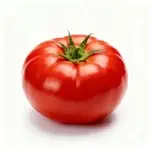
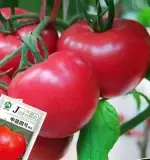


High-Yield Large Tomato: The Bountiful Beefsteak Variety for Maximum Harvest
The Distinctive Qualities of High-Yield Large Tomato – A Garden Champion
High-Yield Large Tomato (高产大番茄) represents elite hybrid and open-pollinated varieties specifically bred for exceptional productivity, fruit size, and flavor. These indeterminate tomato plants produce abundant crops of large, meaty fruits (200-500g each) with excellent flavor, texture, and disease resistance. Unlike traditional varieties that produce modest yields, these high-performance tomatoes continue setting fruit throughout the growing season, providing a continuous harvest from summer until first frost.
Characterized by vigorous vines that reach 2-3 meters in height, these tomatoes feature thick, meaty flesh with few seeds, perfect for slicing, canning, and fresh eating. Popular varieties include ‘Beefmaster’, ‘Brandywine’, ‘Mortgage Lifter’, and modern hybrids like ‘Big Beef’ and ‘Early Girl Plus’. Their combination of high yield potential, disease resistance, and exceptional fruit quality makes them a favorite among home gardeners and commercial growers alike.
Core Advantages: Why High-Yield Large Tomato Stands Above Other Varieties
- Exceptional Productivity: Produces 15-30kg per plant (3-4 times more than standard varieties), with continuous fruit set throughout the growing season.
- Large, Meaty Fruits: Fruits average 200-500g with thick, juicy flesh and few seeds, perfect for slicing and culinary applications.
- Superior Disease Resistance: Bred with resistance to common tomato diseases (Fusarium wilt, Verticillium wilt, nematodes, late blight) for reliable production.
- Extended Harvest Period: Indeterminate growth habit continues producing until frost, providing fresh tomatoes for 3-4 months.
- Excellent Flavor and Texture: Balanced sugar-acid ratio with rich, complex flavor and firm, meaty texture that holds up well in cooking and processing.
Suitable for Everyone: A Tomato for All Growers
● Home Gardeners: Enjoy abundant harvests for fresh eating, canning, and preserving;
● Market Growers: High-value crop with premium pricing for large, flavorful tomatoes;
● Urban Gardeners: Thrives in large containers and small garden spaces with proper support;
● Canning Enthusiasts: Ideal for sauce, paste, and whole tomato preservation due to meaty texture;
● Chefs and Foodies: Exceptional flavor and size make these tomatoes perfect for gourmet dishes.
Real User Feedback
“I’ve grown ‘Beefmaster’ high-yield tomatoes for years, and each plant produces more than 25kg of delicious, meaty tomatoes. They’re perfect for slicing on sandwiches and make incredible sauce. The disease resistance means I harvest right up until frost!” — From home gardener @TomatoHarvest
“As a market grower, high-yield large tomatoes are my most profitable crop. Customers pay premium prices for these giant, flavorful tomatoes, and the extended harvest season keeps my stand stocked longer than other varieties.” — From farmer @MarketFreshProduce
Expert Growing Guide for High-Yield Large Tomato
1. Pre-Planting Preparation: Creating Optimal Growing Conditions
1. Variety Selection
Choose from these proven high-yield large tomato varieties:
- Hybrid Varieties: ‘Big Beef’, ‘Beefmaster’, ‘Early Girl Plus’, ‘Celebrity’, ‘Better Boy’
- Heirloom Varieties: ‘Brandywine’, ‘Mortgage Lifter’, ‘German Johnson’, ‘Brandy Boy’
- Specialty Varieties: ‘Cherokee Purple’ (purple), ‘Pineapple’ (yellow), ‘Black Krim’ (black)
2. Soil Preparation and Requirements
Prepare fertile, well-drained soil with pH 6.0-7.0 and high organic matter content. Incorporate 2500-3000kg of compost per mu and 30-40kg of balanced fertilizer (10-10-10). Add 20kg of calcium carbonate (lime) to prevent blossom end rot in large fruits. The soil should warm to 18°C or higher before planting for optimal growth.
3. Site Selection and Timing
Select a sunny location with at least 8 hours of direct sunlight daily. High-yield tomatoes require warm conditions (20-30°C daytime, 15-20°C nighttime). Start seeds indoors 6-8 weeks before last frost date, or purchase transplants for earlier harvest. Plant outdoors when soil temperature reaches 18°C (typically late spring/early summer).
2. Planting Techniques: Ensuring Strong, Productive Plants
1. Planting Method and Spacing
Plant transplants deeply, burying 2/3 of the stem (up to the top set of leaves) to encourage strong root development. Space plants 60-90cm apart in rows 1.2-1.5m apart. For container growing, use pots with minimum 45cm diameter (18 inches) and provide sturdy support structures.
2. Support Systems
Install sturdy cages (minimum 1.8m height), stakes, or trellises at planting time. High-yield tomato plants become heavy with fruit and require strong support to prevent branch breakage. For maximum yield, use the “Florida weave” system with sturdy stakes and twine for commercial-style support.
3. Grafting for Maximum Performance
For ultimate productivity and disease resistance, consider grafting high-yield scions onto vigorous rootstocks (e.g., ‘Maxifort’). Grafted plants produce 30-50% higher yields with improved disease resistance and tolerance to adverse conditions.
3. Care and Maintenance: Maximizing Yield and Fruit Quality
1. Pruning and Training
For indeterminate varieties, prune to 1-2 main stems by removing suckers (shoots that develop in leaf axils). Tie stems to supports every 30cm as they grow. Remove lower leaves as fruits develop to improve air circulation and reduce disease pressure.
2. Fertilization Schedule
● Apply balanced fertilizer (10-10-10) at planting (20kg per mu)
● Side-dress with nitrogen-rich fertilizer (21-0-0) when first fruits form (15kg per mu)
● Apply potassium sulfate (10kg per mu) during peak fruiting to enhance fruit quality
● Foliar feed with calcium nitrate (0.2% solution) during flowering to prevent blossom end rot
3. Water Management
Maintain consistent soil moisture, providing 3-4cm of water per week. Use drip irrigation for precise water delivery to roots, avoiding wetting foliage. Reduce watering slightly as fruits ripen to concentrate flavor and sugars.
4. Pollination Enhancement
Gently shake plants during flowering to improve pollination, especially in greenhouses or areas with limited insect activity. For maximum fruit set, maintain daytime temperatures between 20-27°C and provide good air circulation.
4. Pest and Disease Management: Protecting Your Crop
1. Common Pests and Control
● Tomato Hornworms: Handpick; apply Bacillus thuringiensis (Bt); encourage parasitic wasps
● Aphids and Whiteflies: Use insecticidal soap; introduce ladybugs; apply reflective mulches
● Spider Mites: Increase humidity; apply miticides; use predatory mites (Phytoseiulus)
● Fruit Worms: Apply insecticides at flowering; use pheromone traps to monitor populations
● Cutworms: Apply collars around stems; use biological controls (nematodes)
2. Disease Prevention and Management
● Early Blight: Rotate crops; apply fungicides preventively; remove infected leaves
● Late Blight: Ensure good air circulation; apply copper fungicides; choose resistant varieties
● Blossom End Rot: Maintain consistent moisture; ensure calcium availability; avoid excessive nitrogen
● Fusarium and Verticillium Wilt: Choose resistant varieties; practice crop rotation; solarize soil
● Powdery Mildew: Improve air flow; apply sulfur-based fungicides; maintain proper spacing
3. Integrated Pest Management
Plant companion plants like basil, marigolds, and garlic to repel pests. Use row covers during early growth to exclude insects. Apply organic mulches to prevent soil-borne diseases from splashing onto plants. Practice crop rotation with non-solanaceous crops for 3-4 years.
5. Harvesting and Post-Harvest Handling
1. Optimal Harvest Time
Harvest when fruits reach full color and slight softness at blossom end (35-50 days after flowering). For best flavor, allow fruits to ripen fully on the vine, but harvest before overripening. For extended harvest, pick mature green fruits and ripen indoors at 20-22°C.
2. Harvesting Technique
Twist fruits gently to detach from stems, or use pruning shears to avoid damaging plants. Handle carefully to prevent bruising, which reduces shelf life and quality. Harvest in morning when temperatures are cool for best flavor and storage quality.
3. Storage and Preservation Methods
● Short-term Storage: Store at 12-15°C for 5-7 days; refrigerate for up to 2 weeks (flavor may diminish)
● Canning: Process whole, diced, or as sauce for long-term storage
● Freezing: Blanch for 30 seconds, peel, and freeze for up to 12 months
● Drying: Slice and dry for sun-dried tomato products
● Fermenting: Create tomato paste or sauce through lacto-fermentation
Tip: For maximum yields from high-yield large tomatoes, prune to 1-2 main stems and provide aggressive fertilization during fruit development. Remove the growing tip 4-6 weeks before first expected frost to redirect energy to ripening existing fruits. For giant beefsteak varieties, limit fruit set to 4-5 fruits per truss to achieve maximum size and quality!







评价
目前还没有评价