




Blue Mirror Haworthia: Complete Care Guide & Growing Tips for Beginners
💎 Basic Information
Core Positioning
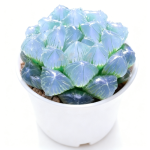
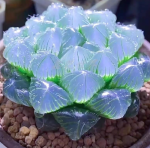
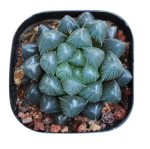
Blue Mirror Haworthia is a classic succulent variety from the Haworthia genus (subgenus Haworthia). Named for its translucent, smooth leaves that resemble blue-green mirrors, it features a compact, small growth habit with no sharp spines. Combining the tenderness of “Haworthia” and the unique luster of “Blue Mirror,” it’s the perfect entry-level variety for Haworthia enthusiasts. Ideal for desktops, windowsills, or semi-shady indoor spaces, it adds beauty to any area while offering the rewarding experience of cultivating “crystal-clear window surfaces.”
Key Details
| Family/Genus | Asphodelaceae, Haworthia (subgenus Haworthia) |
| Herkunft | Subtropical regions of eastern South Africa |
| Morphology | 5-8cm tall, 8-12cm wide; fleshy leaves arranged in a rosette, thick and plump, lance-shaped with tapering tips. Leaf color ranges from light blue-green to blue-gray, with smooth, hairless surfaces. The central “window surface” (transparent tip) is large and clear, shining like a mirror in light. Stemless; mature plants occasionally produce offsets to form clumps. |
| Growth Habits | Prefers warm, humid, semi-shady environments; avoids direct intense light, high temperature/humidity, and waterlogged soil. Drought-tolerant, semi-shade tolerant, but not cold-hardy. Moderate growth rate; spring and autumn are main growing seasons, semi-dormant in extreme summer heat and winter cold. |
| Lifespan | Perennial succulent, lifespan 8-10 years. Suitable for long-term indoor cultivation. |
Ornamental Value
- Unique Window Surface: The transparent “window” at the leaf tip is the main attraction. With proper care, it becomes large and translucent, reflecting light like a blue-green mirror—highly ornamental.
- Elegant Growth Habit: Compact rosette shape with no sharp spines, perfect for close-up viewing on desks, tables, or tea trays.
- Versatile Styling: Ideal for single potting or mixed arrangements with other soft-leaved Haworthias (e.g., Haworthia cooperi ‘Crystal Ball’) to create a “translucent succulent display.”
- Air-Purifying: Leaves absorb small amounts of dust to improve indoor air quality slightly. Releases oxygen at night, making it suitable for indoor placement.
🌱 Beginner-Friendly Growing Guide (6 Steps to Crystal-Clear Windows)
1. Pot & Soil: Balance Breathability and Moisture Retention
- Pot Selection: Choose shallow pots with drainage holes (height 8-10cm), 2-3cm wider than the plant’s diameter (10-12cm pot for single plants; size up for clumps). Terra cotta (breathable) or perforated plastic pots (lightweight, moisture-retentive) are ideal. Avoid deep pots to prevent root rot from waterlogging.
-
Soil Mix (Beginner-Friendly Formula: Balance Breathability & Moisture):
- Professional Version: 30% Akadama + 20% Perlite + 10% Lava Rock + 30% Peat Moss + 10% Vermiculite (vermiculite enhances moisture retention to prevent leaf shriveling)
- Simplified Version: 60% Succulent Granular Soil + 40% Potting Soil (use fine-textured potting soil; avoid garden soil)
-
Drainage Layer & Top Dressing:
- Add 1-2cm of ceramsite/lava rock to the pot bottom for better drainage.
- Cover soil surface with 3-5mm white akadama or kanuma soil to prevent leaf bases from touching wet soil (avoids rot) and enhance aesthetics.
- Key Tip: Sieve soil to remove dust, which can clog pores and reduce breathability.
2. Repotting/Division: Gentle Operation to Protect Windows & Roots
Repotting Seedlings (Beginner’s Top Choice)
- Best Time: Spring or Autumn (15-25℃ for fast acclimation); avoid extreme summer heat and winter cold.
-
Steps:
- Gently tap the pot side to loosen soil, then remove the plant—avoid pulling leaves (windows are fragile and scratch easily).
- Clean old soil from roots and trim dry/blackened fibrous roots (retain healthy white roots and main roots).
- Add drainage layer and soil to the new pot, place the plant, and fill around roots. Keep leaf bases level with soil (do not bury windows or leave leaves hanging).
- Mist soil until slightly moist, place in a cool, ventilated area to acclimate for 5-7 days (no water or direct light). Gradually resume normal care after acclimation.
Division (For Clumping Plants, Easy for Beginners)
- Best Time: Spring or Autumn (active growing season for high survival rate).
-
Steps:
- Remove the entire clump from the pot and gently separate offsets (prefer offsets with 3-5 independent roots; avoid forced tearing).
- Let offset wounds dry in a cool, ventilated area for 1-2 days to prevent rot during repotting.
- Repot offsets individually following the repotting steps above; keep soil slightly moist and avoid light during acclimation.
3. Light & Temperature: Control Light to Enhance Window Clarity
-
Light Requirements (Core: Bright Indirect Light, No Direct Sun):
- Spring/Autumn (Growth Period): 3-4 hours of bright indirect light daily (e.g., east-facing balcony or shaded south-facing balcony). Adequate light promotes large, clear windows; insufficient light causes leggy growth, grayish windows, and loss of “blue mirror” luster.
- Summer (Semi-Dormant): Avoid direct midday sun (10 AM-5 PM). Place in north-facing balconies or indoor shaded areas. Direct intense light burns windows, causing irreversible brown spots.
- Winter (Semi-Dormant): Place in the sunniest indoor spot (e.g., south-facing windowsill). Use grow lights for 4-6 hours daily if light is insufficient to prevent leggy growth.
-
Temperature Requirements (Optimal: 15-28℃):
- Growth Temperature: 18-25℃—plants grow rapidly with well-developed windows at this range.
- Summer Heat: Ventilate to cool down when temperature exceeds 30℃ (open windows or use a ventilation rack). High temperature + humidity causes leaf rot and root death.
- Winter Cold: Growth stops below 10℃; protect from frost below 5℃ (move indoors away from windows). Plants grow slowly but steadily if kept above 10℃ in winter.
4. Watering & Fertilizing: Moist but Not Waterlogged
-
Watering Principle: “Water when top 2-3cm of soil is dry; water thoroughly but avoid waterlogging” (Blue Mirror Haworthia prefers more moisture than succulents like Lithops, but is still susceptible to rot).
- Spring/Autumn (Growth Period): Water when top 2-3cm of soil dries out; water until water drains from the bottom. Frequency: 7-10 days (adjust for humidity—shorten in dry areas). Avoid getting water in the leaf center to prevent rot.
- Summer (Semi-Dormant): Reduce watering; water sparingly along the pot edge when soil is completely dry (keep slightly moist). Frequency: 15-20 days. Increase air humidity by misting around the plant (avoid wetting leaves) to prevent shriveling.
- Winter (Semi-Dormant): Water normally every 15-20 days if temperature >10℃; keep soil slightly dry if <10℃ to avoid cold-related root rot.
- Key Tip: Ventilate well after watering to speed up surface soil drying—balances moisture needs and prevents waterlogging.
-
Fertilizing: Dilute fertilizer sparingly; focus on phosphorus and potassium (enhances window clarity).
- Timing: Once a month during spring/autumn growing seasons. No fertilizing in summer, winter, or acclimation periods.
- Fertilizer Choice: Succulent slow-release fertilizer (buried near pot edge, away from roots) or succulent liquid fertilizer diluted 1500x (high phosphorus-potassium ratio preferred).
- Taboo: Avoid concentrated fertilizer or excess nitrogen—causes leggy growth, smaller windows, and loss of “Blue Mirror” characteristics.
5. Repotting & Root Pruning: Every 1-2 Years to Promote Clumping
- Repotting Frequency: Once every 1-2 years, best in spring (March-April) for fast recovery and high acclimation rate.
- Signs to Repot: Soil compaction, roots growing through drainage holes, slow growth, or shriveled, dull leaves.
-
Steps:
- Remove the plant, clean old soil from roots, and trim dry/rotten/overlong fibrous roots (retain healthy main roots and white fibrous roots).
- Add drainage layer and fresh soil to the new pot, place the plant, and adjust height so leaf bases are level with soil.
- Fill with soil, press lightly, mist until slightly moist, and acclimate in a cool, ventilated area for 5-7 days. Resume normal care after acclimation.
6. Pest & Disease Control: Prevention First
-
Common Diseases: Root Rot, Leaf Center Rot (caused by overwatering, poor drainage, or water in leaf centers)
- Prevention: Control watering strictly, avoid water in leaf centers, ventilate regularly, and replace soil annually.
- Treatment: If leaves soften or leaf centers turn black, remove the plant immediately. Cut off rotten roots and leaves, soak wounds in carbendazim solution for 10 minutes, dry for 2-3 days, and repot with fresh soil.
-
Common Pests: Mealybugs, Root Mealybugs (hide in leaf gaps or around roots)
- Prevention: Mix a small amount of insecticide (e.g., imidacloprid) into soil during repotting; inspect leaf undersides and soil surface monthly.
- Treatment: Wipe leaf gaps with alcohol-soaked cotton for mealybugs; for root mealybugs, remove the plant, clean roots, soak in insecticide solution, dry, and repot with fresh soil.
✨ Tips for Crystal-Clear Windows (Beginner Must-Know)
- Light Control: Bright indirect light is key to clear windows—insufficient light causes graying, while direct light causes burns. Judge by leaf color: light blue-green with clear windows = ideal; dark green = insufficient light; brown spots = too much light.
- Air Humidity: Maintain 50%-70% humidity. Mist around the plant (avoid wetting leaves) in dry environments—adequate humidity keeps leaves plump and windows translucent.
- Soil Choice: Avoid all-granular soil (poor moisture retention = shriveled leaves) or all-potting soil (poor drainage = root rot). Follow the recommended soil mix for balanced breathability and moisture retention.
- Avoid Touching: Windows are the main ornamental feature—avoid touching them with hands, as fingerprints or scratches reduce transparency.
⚠️ Beginner’s Mistake Prevention Guide
- Do not expose to direct intense light: Windows are fragile—direct sun causes irreversible brown spots.
- Do not overwater: Despite preferring moisture, waterlogged soil leads to root rot—prioritize “moist but not wet,” especially in summer heat and winter cold.
- Do not use heavy soil: Garden soil or clay soil has poor drainage, causing root suffocation and rot. Use succulent granular soil mixed with potting soil.
- Do not move frequently: Plants adapt slowly to new environments—frequent relocation causes stress, leading to dull windows. Keep in a fixed position.
- Do not over-fertilize: Excess nitrogen causes leggy growth and smaller windows. Use dilute phosphorus-potassium fertilizer only during growing seasons.
The core of Blue Mirror Haworthia care is “controlling light, maintaining moisture, and ensuring breathability.” For beginners, balancing light and watering is key to growing plants with plump leaves and crystal-clear windows. Its gentle growth rhythm requires minimal maintenance, offering both the joy of succulent cultivation and long-term enjoyment of its translucent beauty—making it an excellent choice for indoor succulent pots!






Bewertungen
Es sind noch keine Bewertungen vorhanden.