




Broccoli: A Nutrient-Dense Superfood with Versatile Culinary Uses
The Nutritional Powerhouse of Broccoli – A True Superfood
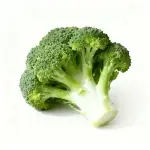
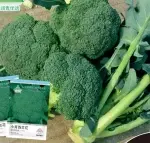
Broccoli (Brassica oleracea var. italica) is a cruciferous vegetable celebrated for its exceptional nutritional profile and culinary versatility. Originating from the Mediterranean region, this green vegetable features a dense, tree-like structure with a thick central stalk and numerous edible flower buds. Available in several varieties including Calabrese, sprouting, and purple broccoli, it’s a staple in healthy diets worldwide.
Beyond its crisp texture and mild, earthy flavor, broccoli is packed with vitamins, minerals, and antioxidants that support overall health. One cup (91g) of chopped broccoli provides over 100% of the daily recommended intake of vitamin C, along with significant amounts of vitamin K, vitamin A, folate, and dietary fiber. Its unique combination of glucosinolates and sulforaphane compounds offer powerful anti-inflammatory and detoxification benefits.
Core Advantages: Why Broccoli Deserves a Place in Every Meal
- Exceptional Nutrient Density: Low in calories (only 34 calories per cup) but high in essential nutrients, including vitamins C, K, A, and B vitamins, as well as minerals like potassium, iron, and calcium.
- Powerful Antioxidant Properties: Contains glucosinolates that convert to sulforaphane, a potent antioxidant that supports cellular health and may help reduce cancer risk.
- Versatile Culinary Applications: Can be eaten raw, steamed, roasted, stir-fried, or added to soups, salads, pasta dishes, and casseroles. The stems and leaves are also edible and nutritious.
- Long Growing Season: As a cool-season crop, broccoli can be grown in both spring and fall, providing multiple harvests throughout the year in many climates.
- Continuous Harvest Potential: Many varieties produce side shoots after the main head is harvested, extending the harvest period by several weeks.
Suitable for Everyone: A Vegetable for All Diets
● Health-Conscious Individuals: Its nutrient density makes it ideal for those pursuing optimal wellness and disease prevention;
● Families and Children: Mild flavor and versatility appeal to all ages, especially when properly prepared;
● Athletes and Fitness Enthusiasts: Provides essential vitamins, minerals, and antioxidants to support recovery and performance;
● Special Diet Followers: Naturally gluten-free, low-carb, and suitable for vegan, vegetarian, keto, and paleo diets;
● Home Gardeners: Relatively easy to grow with high yields and multiple harvests.
Echtes Benutzer-Feedback
“I’ve incorporated broccoli into my family’s meals at least three times weekly. My kids actually enjoy it roasted with a bit of parmesan, and I love knowing they’re getting a nutritional boost with every bite.” — From health-focused mom @NutritionFirst
“As a professional chef, I appreciate broccoli’s versatility. It works in everything from elegant fine dining dishes to quick weeknight meals. The texture holds up well to various cooking methods, and it pairs beautifully with both bold and subtle flavors.” — From executive chef @CulinaryCreativity
Comprehensive Broccoli Growing Guide: From Seed to Harvest
1. Vorbereitung der Anpflanzung: Die Weichen für den Erfolg stellen
1. Variety Selection
Choose broccoli varieties suited to your climate and growing season:
- Calabrese: Standard green broccoli with large central heads (85-100 days to maturity)
- Sprouting Broccoli: Produces multiple small heads over an extended period (120-150 days)
- Romanesco: Unique fractal pattern heads with nutty flavor (90-100 days)
- Purple Sprouting: Cold-hardy variety with purple florets (180 days)
- Early Varieties (Green Magic, Packman): Mature in 55-60 days for spring planting
2. Soil Preparation and Selection
Broccoli thrives in fertile, well-drained soil with pH 6.0-7.0. Prepare the planting area by incorporating 2000-2500kg of well-rotted compost or manure per mu, along with 30-40kg of balanced fertilizer (10-10-10). The soil should be loose and rich in organic matter to support vigorous root development.
3. Site Selection
Select a sunny location with at least 6 hours of direct sunlight daily. Broccoli can tolerate partial shade but produces best in full sun. Ensure good air circulation to prevent fungal diseases, and avoid planting in areas where other brassicas (cabbage, cauliflower, kale) have grown in the past 3 years to prevent soil-borne diseases.
2. Planting Techniques: Optimal Growth Conditions
1. Pflanzzeit
Broccoli is a cool-season crop that grows best at temperatures between 15-20°C.
- Frühjahrspflanzung: Start seeds indoors 6-8 weeks before last frost date, transplant outdoors 2-3 weeks before last frost
- Fall Planting: Direct seed or transplant in mid-summer for fall harvest (60-80 days before first frost)
- Winter Growing: In mild climates (USDA zones 8-10), plant in fall for winter harvest
2. Starting from Seeds or Transplants
For transplants: Start seeds in seed trays 6-8 weeks before planting out. Sow seeds 0.5cm deep, maintain 20-25°C for germination (5-7 days). Harden off seedlings for 7-10 days before transplanting when they have 4-6 true leaves.
For direct seeding: Sow seeds 1cm deep, 3-4 seeds per spot, thin to strongest seedling when 5cm tall.
3. Spacing and Planting Density
Space transplants 45-60cm apart in rows 60-75cm apart. For maximum yields, plant in a triangular grid pattern rather than single rows. This spacing allows for good air circulation and adequate room for head development. Plant 2000-2500 plants per mu for commercial production.
3. Field Management: Nurturing Healthy Growth
1. Wasserwirtschaft
Maintain consistent soil moisture throughout the growing season, providing 2.5-3.5cm of water per week. Critical watering periods include head formation and during hot weather. Use drip irrigation or soaker hoses to water at the base, avoiding wetting the heads which can cause rot. Mulch with straw or grass clippings to retain moisture and suppress weeds.
2. Zeitplan für die Befruchtung
● Apply nitrogen-rich fertilizer (21-0-0) at planting (15kg per mu)
● Side-dress with balanced fertilizer (10-10-10) when plants are 15cm tall (20kg per mu)
● Apply additional nitrogen (10kg per mu) when heads begin to form to support development
● Avoid excessive nitrogen late in the season, which can cause hollow stems
3. Weed Control and Cultivation
Keep the planting area free of weeds, especially during the first 4-6 weeks when broccoli is establishing. Cultivate shallowly (5-8cm deep) to avoid damaging shallow roots. Apply organic mulch to suppress weeds, retain moisture, and keep soil cool – especially important for fall crops.
4. Temperaturmanagement
Provide shade for spring crops during hot spells (above 25°C) to prevent premature bolting. For fall crops, use row covers to extend the growing season and protect from light frosts, which can actually improve flavor. Broccoli can tolerate temperatures as low as -5°C with protection.
4. Pest and Disease Management: Organic Approaches
1. Common Pests and Control
● Cabbage Worms and Loopers: Use row covers, handpick, or apply Bacillus thuringiensis (Bt)
● Aphids: Spray with insecticidal soap or neem oil; introduce ladybugs as natural predators
● Flea Beetles: Use floating row covers; apply diatomaceous earth; plant radishes as trap crops
● Cabbage Root Maggots: Use collars around stems; practice crop rotation; avoid fresh manure
● Harlequin Bugs: Handpick and destroy; use row covers; maintain field sanitation
2. Disease Prevention and Management
● Downy Mildew: Ensure good air circulation; avoid overhead watering; apply copper fungicides
● Powdery Mildew: Improve air flow; apply sulfur-based fungicides; choose resistant varieties
● Black Rot: Practice 3-year crop rotation; remove infected plants; use disease-free seeds
● Clubroot: Maintain soil pH above 7.0; add lime; practice long crop rotation
● Alternaria Leaf Spot: Remove infected leaves; avoid overhead irrigation; apply fungicides
3. Integrierte Schädlingsbekämpfung
Plant companion plants like mint, rosemary, sage, and thyme to repel pests. Intercrop with onions, garlic, or chives to deter cabbage worms. Encourage beneficial insects (lacewings, parasitic wasps) by planting flowering herbs and native plants nearby. Use row covers as a physical barrier during vulnerable growth stages.
5. Harvesting and Storage: Maximizing Quality and Shelf Life
1. Optimaler Erntezeitpunkt
Harvest main broccoli heads when they reach 10-15cm in diameter, are firm and compact, and before individual florets begin to open. For best quality, harvest in the morning when temperatures are cool. Cut the main head with 10-15cm of stem attached to encourage side shoot development.
2. Erntetechnik
Use a sharp knife to cut the main head at a 45° angle, leaving 10-15cm of stem with several leaves. This encourages the development of side shoots (smaller secondary heads) which can be harvested for an additional 4-6 weeks. Harvest side shoots when they reach 5-8cm in diameter.
3. Storage and Preservation Methods
● Short-term Storage: Refrigerate unwashed broccoli in a perforated plastic bag for up to 7-10 days
● Freezing: Blanch florets for 3 minutes, cool rapidly, drain, and freeze for up to 12 months
● Pickling: Make broccoli pickles or fermented broccoli slaw
● Dehydrating: Dry small florets for use in soups and stews
● Fresh Use: For maximum nutritional benefit, consume within 3-5 days of harvest
Tipp: For sweeter, more tender broccoli, provide consistent moisture and harvest before heatwaves. The stems are edible and nutritious – peel and slice them for cooking. For extended harvests, plant broccoli varieties with different maturity dates (early, mid-season, and late) or make successive plantings every 2-3 weeks. A light frost (0-2°C) will actually improve broccoli’s flavor by converting starches to sugars!




Bewertungen
Es sind noch keine Bewertungen vorhanden.