




Kirin Watermelon: The Premium Seedless Watermelon with Exceptional Sweetness
The Distinctive Qualities of Kirin Watermelon – Juicy, Sweet, and Seedless
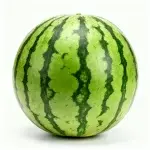
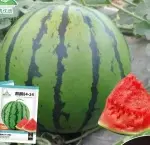
Kirin Watermelon (麒麟西瓜) is a premium seedless variety renowned for its exceptional sweetness, crisp texture, and striking appearance. Developed through advanced breeding techniques, this Japanese-Chinese hybrid produces medium-sized fruits (5-8kg) with a distinctive dark green rind featuring irregular dark stripes resembling a mythical kirin’s scales. The flesh is a vibrant crimson red with tiny edible white seed coats, offering a perfect balance of sweetness and refreshing juiciness.
What sets Kirin Watermelon apart is its remarkably high sugar content (12-14 Brix) and low acidity, creating an intensely sweet flavor with subtle honey undertones. The flesh has a firm, crisp texture that melts in the mouth while maintaining structural integrity, making it ideal for fresh eating, fruit platters, and culinary applications. Its seedless nature and uniform shape make it a favorite among consumers and chefs alike.
Core Advantages: Why Kirin Watermelon Stands Above the Rest
- Exceptional Sugar Content: Boasts 12-14 Brix sugar levels (compared to 8-10 in regular watermelons), with a perfect balance of sweetness and refreshing flavor.
- Seedless Convenience: True seedless variety with only tiny, edible white seed coats, eliminating the inconvenience of black seeds while maintaining eating quality.
- Uniform Shape and Appearance: Consistent oval shape (25-30cm diameter) with striking dark green striped rind that commands premium market value.
- Excellent Shelf Life: Maintains quality for 14-21 days after harvest when stored properly, with firm flesh that resists mealiness longer than other varieties.
- Disease Resistance: Bred with resistance to fusarium wilt, powdery mildew, and anthracnose, reducing the need for chemical treatments and ensuring reliable production.
Suitable for Everyone: The Perfect Summer Fruit
● Home Gardeners: Productive vines with manageable growth habit, suitable for backyard cultivation;
● Commercial Growers: High-value crop with excellent market demand and premium pricing;
● Chefs and Food Service: Consistent quality and seedless convenience for culinary applications;
● Health-Conscious Consumers: Hydrating (92% water), low-calorie fruit rich in lycopene and vitamins;
● Families: Seedless variety ideal for children and casual eating without the hassle of seeds.
Echtes Benutzer-Feedback
“Kirin Watermelon is the sweetest, most flavorful watermelon I’ve ever grown. The seedless flesh is incredibly crisp, and the high sugar content makes it taste like summer in every bite. My family can’t get enough!” — From home gardener @SummerHarvest
“As a specialty produce supplier, Kirin Watermelon is our top-selling variety. Chefs love its consistent quality and presentation, while customers appreciate the seedless convenience and exceptional sweetness. It always sells out quickly!” — From produce retailer @PremiumFruits
Expert Growing Guide for Kirin Watermelon
1. Pre-Planting Preparation: Creating Optimal Growing Conditions
1. Auswahl und Behandlung von Saatgut
Choose certified Kirin Watermelon seeds from reputable suppliers. As a triploid seedless variety, it requires specific pollinator plants (diploid varieties) for fruit set. Soak seeds in warm water (30-32°C) for 4-6 hours, then germinate at 28-30°C for 36-48 hours until radicles emerge (2-3mm). This improves germination rates to 85-90%.
2. Soil Preparation and Requirements
Prepare well-drained sandy loam soil with pH 6.0-7.0 and high organic matter content. Incorporate 3000-4000kg of well-rotted compost per mu, along with 40-50kg of balanced fertilizer (10-10-10) and 20kg of potassium sulfate. The soil should warm to 18°C or higher before planting for optimal root development.
3. Site Selection and Layout
Select a sunny location with full sun exposure (8+ hours daily) and good air circulation. Kirin Watermelon requires warm conditions (25-32°C daytime, 18-22°C nighttime). For field planting, create raised beds 30cm high and 1.2-1.5m wide with 0.8-1m between beds. Plant 1 pollinator plant for every 3-4 Kirin plants to ensure proper pollination.
2. Planting Techniques: Ensuring Successful Establishment
1. Planting Time and Method
Start seedlings indoors 3-4 weeks before last frost date in 10cm pots. Transplant outdoors when soil temperature reaches 20°C (typically late spring/early summer). Plant seedlings 50-60cm apart in rows 1.5-2m apart, burying stems up to the first true leaves. For direct seeding, plant 2-3 seeds per hill, thinning to 1 plant after germination.
2. Pollinator Management
Plant diploid pollinator variety (e.g., ‘Crimson Sweet’) in alternating rows or blocks with Kirin Watermelon at a ratio of 1:3-4. Ensure pollinator plants flower 2-3 days earlier than Kirin to provide pollen when needed. Place beehives in the field (1 hive per acre) to enhance pollination efficiency.
3. Trellising Options (for Smaller Spaces)
For gardeners with limited space, Kirin Watermelon can be grown on sturdy trellises (2m height). Support developing fruits with slings made from nylon stockings or fabric to prevent breakage. This method increases air circulation and reduces disease pressure compared to ground culture.
3. Care and Maintenance: Maximizing Quality and Yield
1. Irrigation Management
Maintain consistent soil moisture (70-80% field capacity) during vegetative growth and fruit development. Reduce watering by 30% when fruits reach 3-4kg to concentrate sugars and improve flavor. Use drip irrigation for precise water delivery, avoiding wetting foliage to prevent disease.
2. Zeitplan für die Befruchtung
● Apply nitrogen-rich fertilizer (20-10-10) at planting (15kg per mu)
● Side-dress with phosphorus-potassium fertilizer (10-20-20) when vines begin to run (20kg per mu)
● Apply potassium sulfate (10kg per mu) when fruits set to enhance sweetness
● Foliar feed with calcium nitrate (0.3% solution) during fruit development to prevent blossom end rot
3. Pruning and Training
Train to 2-3 main vines per plant, removing lateral shoots (suckers) regularly. Allow 2-3 fruits per plant to develop, removing additional fruitlets for optimal size and quality. Turn fruits weekly (using a soft cloth to avoid bruising) for uniform color development and sun exposure.
4. Mulching and Weed Control
Apply black plastic mulch or organic mulch (straw, hay) to warm soil, suppress weeds, and keep fruits clean. The mulch also prevents direct contact between fruit and soil, reducing disease incidence. Install drip irrigation before applying mulch for efficient water management.
4. Schädlings- und Krankheitsbekämpfung: Schutz für Ihre Ernte
1. Common Pests and Control
● Aphids: Control with insecticidal soap or neem oil; introduce ladybugs as natural predators
● Cucumber Beetles: Use row covers during seedling stage; apply kaolin clay barrier
● Spider Mites: Increase humidity; apply miticides if populations exceed threshold
● Fruit Flies: Use protein bait traps; harvest promptly when fruits mature
● Cutworms: Apply collars around stems at planting; use biological controls (Bacillus thuringiensis)
2. Disease Prevention and Management
● Fusarium Wilt: Plant resistant varieties; practice crop rotation; solarize soil before planting
● Powdery Mildew: Apply sulfur-based fungicides preventively; ensure proper air circulation
● Anthracnose: Remove infected plant debris; apply copper-based fungicides during wet weather
● Gummy Stem Blight: Space plants properly; avoid overhead irrigation; apply fungicides preventively
● Blossom End Rot: Maintain consistent soil moisture; ensure adequate calcium availability
3. Integrierte Schädlingsbekämpfung
Implement crop rotation with non-cucurbit crops for 3-4 years. Plant trap crops (e.g., blue hubbard squash) to attract cucumber beetles away from watermelon plants. Use reflective mulches to deter aphids and thrips. Encourage beneficial insects by planting flowering herbs and native plants nearby.
5. Harvesting and Post-Harvest Handling
1. Determining Maturity
Harvest Kirin Watermelon at full maturity (35-40 days after fruit set) when:
- The tendril nearest the fruit stem is completely dry
- The ground spot (where fruit touches soil) turns creamy yellow
- The fruit produces a dull, hollow sound when tapped (compared to sharp sound of immature fruit)
- The rind develops its characteristic dark green stripes with a slightly dull finish
2. Erntetechnik
Cut fruits with 5-10cm of stem attached using sharp pruning shears. Handle carefully to avoid bruising, as damaged areas quickly develop decay. Harvest in the morning when temperatures are cool for best quality and shelf life.
3. Storage and Handling
● Short-term Storage: Store at 12-15°C with 85-90% humidity for up to 2 weeks
● Long-term Storage: For extended shelf life (3-4 weeks), store at 10°C with good air circulation
● Display: Keep at room temperature for immediate consumption to maximize flavor
● Transportation: Use padded containers to prevent bruising; avoid stacking more than 2 layers high
Tipp: For maximum sweetness in Kirin Watermelon, reduce irrigation by 30% during the final 10-14 days before harvest – this “stress ripening” concentrates sugars and enhances flavor. The seedless variety requires careful pollination management, so ensure proper pollinator plant ratio (1:3-4) and consider renting honey bees for optimal fruit set. Harvest in the morning when sugars are most concentrated for the sweetest flavor!






Bewertungen
Es sind noch keine Bewertungen vorhanden.