




Da Hong Pao Radish: The Vibrant Red Beauty with Crisp, Sweet Flavor
The Distinctive Qualities of Da Hong Pao Radish – A Culinary Treasure
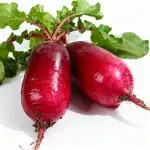
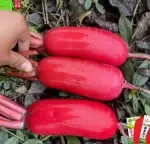
Da Hong Pao Radish (大红袍萝卜), also known as “Big Red Robe” radish, is a prized Chinese heirloom variety celebrated for its striking crimson skin, crisp white flesh, and balanced sweet-spicy flavor. This cylindrical radish grows to 15-20cm long with vibrant red skin that covers most of the root, leaving only a small white taproot. The flesh is exceptionally crisp, juicy, and mild with subtle peppery notes, making it a versatile ingredient in both raw and cooked preparations.
Unlike common radish varieties, Da Hong Pao offers a perfect balance of sweetness and mild spiciness that intensifies slightly when cooked. The dense, crunchy texture holds up well in stir-fries, soups, and pickling, while the vibrant color adds visual appeal to any dish. Traditionally prized in northern Chinese cuisine, this radish stores exceptionally well, developing deeper flavor when harvested in cool weather and stored properly.
Core Advantages: Why Da Hong Pao Stands Above Other Radishes
- Exceptional Flavor Balance: Perfect harmony of natural sweetness and mild spiciness with a clean, refreshing finish – less pungent than European radish varieties.
- Outstanding Texture: Crisp, crunchy flesh with high water content (92%) that maintains texture when cooked, unlike softer radish varieties that become mushy.
- Stunning Appearance: Deep crimson skin with crisp white flesh creates dramatic color contrast that enhances any dish presentation.
- Excellent Storage Quality: Stores for 2-3 months in cool conditions (0-5°C) without losing quality, with flavor actually improving during storage.
- Versatile Culinary Uses: Equally delicious raw, pickled, stir-fried, braised, or in soups – a true multi-purpose vegetable for Asian and Western cuisines alike.
Suitable for Everyone: A Radish for All Palates
● Home Cooks: Adds vibrant color and versatile flavor to everyday meals, from salads to stir-fries;
● Asian Cuisine Enthusiasts: Essential for authentic Chinese, Korean, and Japanese recipes;
● Gardeners: Fast-growing, cold-hardy crop ideal for fall and winter gardens;
● Food Preservers: Excellent for pickling, fermenting, and long-term storage;
● Health-Conscious Eaters: Low-calorie, high-fiber vegetable packed with vitamin C and antioxidants.
Echtes Benutzer-Feedback
“Da Hong Pao radishes are my favorite winter vegetable – they stay crisp and flavorful long after harvest. I use them in everything from spicy pickles to braised dishes, and their vibrant color makes even simple stir-fries look spectacular.” — From home cook @AsianHarvest
“As a gardener in a cold climate, I appreciate how well Da Hong Pao tolerates frost. These radishes actually improve with cool weather, developing sweeter flavor and crisper texture after light frosts.” — From permaculture gardener @SeasonalHarvest
Expert Growing Guide for Da Hong Pao Radish
1. Pre-Planting Preparation: Creating Optimal Growing Conditions
1. Auswahl und Behandlung von Saatgut
Choose certified Da Hong Pao radish seeds from reputable Asian seed suppliers. For improved germination, soak seeds in lukewarm water (25-30°C) for 2-4 hours before planting, or sow dry seeds directly in prepared soil. This traditional variety has excellent germination rates (85-90%) with minimal treatment.
2. Soil Preparation and Requirements
Prepare loose, well-drained soil with pH 6.0-7.0 and high organic matter content. Remove all stones and clods that could cause root deformation. Incorporate 1500-2000kg of compost per mu and 20-30kg of balanced fertilizer (10-10-10), avoiding excessive nitrogen which promotes leafy growth over root development.
3. Site Selection and Timing
Select a sunny location with at least 6 hours of direct sunlight daily. Da Hong Pao thrives in cool weather (15-20°C) and can tolerate light frosts, which actually enhance flavor. Plant in early spring (2-3 weeks before last frost) or late summer/early fall for main crop production in most climates.
2. Planting Techniques: Ensuring Straight, Uniform Roots
1. Planting Method and Spacing
Sow seeds 1-2cm deep, 2-3 seeds per spot, in rows 30-40cm apart with 8-10cm between plants. For uniform root development, thin seedlings to 10-15cm spacing when they reach 5-7cm height. Plant in raised beds (15-20cm high) for improved drainage and root development.
2. Successive Planting for Continuous Harvest
For a steady supply, make successive plantings every 2-3 weeks during the growing season. In mild climates, plantings can continue into late fall for winter harvest. Fall crops typically produce sweeter, more flavorful roots than spring plantings.
3. Container Growing Options
Da Hong Pao can be grown in containers at least 30cm deep with good drainage. Fill with a mix of potting soil, compost, and perlite (2:1:1 ratio). Plant 3-4 seeds per container and thin to 2 strongest plants. Place containers in full sun and keep evenly moist.
3. Care and Maintenance: Nurturing Healthy Radish Roots
1. Wasserwirtschaft
Maintain consistent soil moisture, providing 2-3cm of water per week. Irregular watering causes roots to become woody, bitter, or split. Water deeply to encourage root penetration, especially during dry periods. Reduce watering slightly as roots mature to improve storage quality.
2. Fertilization Guidelines
● Apply phosphorus-rich fertilizer (5-10-10) at planting to promote root development
● Side-dress with potassium sulfate (5kg per mu) when roots begin to enlarge
● Avoid nitrogen-heavy fertilizers which cause excessive leaf growth and poor root development
● Foliar feed with seaweed extract (diluted 1:500) once during growth for improved stress tolerance
3. Weed Control and Cultivation
Keep planting area weed-free, especially during early growth when radishes are most vulnerable to competition. Cultivate shallowly (3-5cm deep) to avoid damaging developing roots. Apply organic mulch (straw, grass clippings) to suppress weeds and maintain soil moisture.
4. Temperature Considerations
Da Hong Pao performs best in cool temperatures (10-22°C). In hot weather, roots become pithy and develop a strong, bitter flavor. For summer plantings, provide partial shade during hottest part of day. Fall plantings exposed to light frost (0-5°C) develop sweeter flavor and better texture.
4. Schädlings- und Krankheitsbekämpfung: Schutz für Ihre Ernte
1. Häufige Schädlinge und Prävention
● Flea Beetles: Use row covers during seedling stage; apply diatomaceous earth; plant radishes as trap crop
● Root Maggots: Apply floating row covers; use companion planting with mint or garlic
● Aphids: Spray with insecticidal soap; introduce ladybugs; plant companion flowers (marigolds)
● Slugs and Snails: Use beer traps; handpick; apply copper barriers around planting area
● Cabbage Root Flies: Use collars around stems; practice crop rotation; avoid excessive manure
2. Disease Prevention and Management
● Clubroot: Maintain soil pH above 7.0; add lime; practice 3-year crop rotation
● Downy Mildew: Ensure good air circulation; avoid overhead watering; apply copper fungicides
● Black Rot: Use disease-free seeds; remove infected plants immediately; practice crop rotation
● Fusarium Yellows: Choose resistant varieties; solarize soil before planting; maintain soil health
● Powdery Mildew: Improve air flow; apply sulfur-based fungicides; remove affected leaves
3. Integrierte Schädlingsbekämpfung
Plant companion plants like marigolds, garlic, and mint to repel pests. Intercrop with carrots, lettuce, or spinach to maximize space and deter specific pests. Practice crop rotation with non-brassica crops for 2-3 years to reduce soil-borne diseases.
5. Harvesting and Storage: Maximizing Quality and Shelf Life
1. Optimaler Erntezeitpunkt
Harvest Da Hong Pao radishes when roots reach 15-20cm length and 5-7cm diameter (approximately 60-70 days after sowing). For fall crops, harvest after first light frost (but before hard freeze) for sweetest flavor. Harvest in morning when temperatures are cool for best quality.
2. Erntetechnik
Gently loosen soil around roots with garden fork before pulling to avoid breaking. Twist tops to remove or cut with knife, leaving 1-2cm of stem to prevent drying. Handle carefully to avoid bruising, which reduces storage life and quality.
3. Storage Methods and Preservation
● Short-term Storage: Refrigerate in plastic bags for 2-3 weeks
● Long-term Storage: Store in sand or sawdust in root cellar at 0-5°C for 2-3 months
● Pickling: Make traditional Chinese red radish pickles (suan cai) or quick pickles
● Fermentation: Create spicy radish kimchi or fermented radish relish
● Freezing: Slice and blanch for 2 minutes before freezing for up to 6 months (best for cooking)
Tipp: For the sweetest, crispiest Da Hong Pao radishes, harvest after a light frost (0-5°C) – the cold converts starches to sugars, creating exceptional flavor. Store harvested radishes with their tops removed in a root cellar or refrigerator drawer, wrapped in damp paper towels to maintain crispness. The leaves are also edible – use them in stir-fries or soups just like turnip greens!






Bewertungen
Es sind noch keine Bewertungen vorhanden.