





Italian Bolt-Resistant Lettuce: The Heat-Tolerant Leafy Green for Year-Round Harvest
The Distinctive Qualities of Italian Bolt-Resistant Lettuce – A Garden Essential
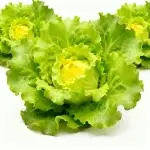
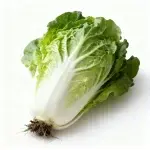
Italian Bolt-Resistant Lettuce (意大利耐抽苔生菜) represents a premium selection of lettuce varieties bred specifically for their exceptional resistance to bolting (premature flowering) in warm conditions. These Italian heirloom and hybrid varieties include crisphead, romaine, and loose-leaf types that maintain their quality and flavor even when temperatures rise above 25°C. Unlike traditional lettuce varieties that quickly turn bitter and bolt in summer heat, these heat-tolerant varieties continue producing tender, sweet leaves throughout warm weather.
Characterized by their slow bolting habit, these lettuces feature thick, succulent leaves with excellent texture and flavor retention. The varieties include classic Italian types like ‘Parris Island Cos’, ‘Little Gem’, and ‘Lollo Rosso’, as well as modern hybrids bred for extended harvest periods. Their ability to withstand heat makes them ideal for summer production and for gardeners in warmer climates where traditional lettuce struggles.
Core Advantages: Why Italian Bolt-Resistant Lettuce Stands Above Other Varieties
- Exceptional Heat Tolerance: Maintains quality and flavor at temperatures up to 30°C, while traditional lettuce bolts at 25°C.
- Extended Harvest Period: Produces for 4-6 weeks longer than regular varieties in warm conditions, providing continuous harvests.
- Slow Bolting Trait: Resists premature flowering, ensuring tender, sweet leaves instead of bitter, tough stems.
- Diverse Selection: Includes crisphead, romaine, butterhead, and loose-leaf varieties to suit all culinary needs.
- Excellent Flavor Retention: Maintains sweet, mild flavor even in heat, unlike heat-stressed regular lettuce which becomes bitter.
Suitable for Everyone: A Lettuce for All Gardeners
● Home Gardeners: Enjoy fresh lettuce throughout summer when other varieties fail;
● Market Growers: Provide premium lettuce during high-demand summer months;
● Chefs and Restaurants: Maintain consistent supply of high-quality Italian lettuce varieties;
● Urban Gardeners: Perfect for container growing with compact growth habits;
● Southern Climate Gardeners: Successfully grow lettuce year-round in warmer regions.
Echtes Benutzer-Feedback
“As a gardener in Florida, I struggled for years to grow lettuce through summer until discovering Italian bolt-resistant varieties. Now I harvest fresh lettuce year-round, even in our hot, humid climate.” — From southern gardener @YearRoundHarvest
“These Italian lettuces have transformed my market garden. While other growers’ lettuce bolts in June, my ‘Parris Island Cos’ and ‘Jericho’ continue producing high-quality heads through August, commanding premium prices.” — From commercial grower @MarketFreshProduce
Expert Growing Guide for Italian Bolt-Resistant Lettuce
1. Pre-Planting Preparation: Creating Optimal Growing Conditions
1. Variety Selection
Choose from these proven Italian bolt-resistant varieties:
- Romaine Types: ‘Parris Island Cos’, ‘Jericho’, ‘Little Gem’, ‘Cos Verdi’
- Leaf Lettuce: ‘Lollo Rosso’, ‘Lollo Bionda’, ‘Red Salad Bowl’, ‘Green Salad Bowl’
- Butterhead: ‘Buttercrunch’, ‘Summer Bibb’, ‘Marvel of Four Seasons’
- Crisphead: ‘Salinas’, ‘Great Lakes 659’, ‘Iceberg Summer Crisp’
2. Soil Preparation and Requirements
Prepare well-drained, fertile soil with pH 6.0-7.0 and high organic matter content. Incorporate 1500-2000kg of compost per mu and 20-30kg of balanced fertilizer (10-10-10). The soil should be loose and friable to promote healthy root development and moisture retention.
3. Site Selection and Timing
Select a location with morning sun and afternoon shade for summer plantings, or full sun for spring/fall crops. In warm climates (USDA zones 8-11), plant in fall, winter, and spring; in cooler climates, plant from early spring through late summer for fall harvest. For summer production, plant in partial shade or use shade cloth (30-40% shade) during hottest months.
2. Planting Techniques: Ensuring Successful Establishment
1. Planting Method and Spacing
Sow seeds 0.5-1cm deep, 2-3 seeds per spot, in rows 30-40cm apart with 15-20cm between plants for leaf lettuce, 25-30cm for romaine, and 30-40cm for crisphead varieties. For continuous harvest, make successive plantings every 2-3 weeks. For summer planting, soak seeds in cool water (15-20°C) for 12-24 hours before sowing to improve germination in warm soil.
2. Container Growing Options
Italian bolt-resistant lettuce grows exceptionally well in containers (minimum 20cm depth). Use a high-quality potting mix with added compost and perlite (2:1:1 ratio). Plant 4-6 plants per 30cm container, or single plants in 15cm pots. Place containers where they receive morning sun and afternoon shade during summer.
3. Transplanting Seedlings
For earlier harvests, start seeds indoors 3-4 weeks before planting out. Transplant seedlings when they have 4-6 true leaves, hardening them off for 7-10 days before setting out. Plant seedlings slightly deeper than they were in seed trays to encourage additional root development.
3. Care and Maintenance: Nurturing Heat-Tolerant Lettuce
1. Wasserwirtschaft
Maintain consistent soil moisture, providing 2-3cm of water per week. Water deeply in early morning to reduce evaporation and prevent leaf diseases. Use drip irrigation or soaker hoses to keep foliage dry. Mulch with straw or grass clippings to conserve moisture and keep soil cool (2-3°C cooler than unmulched soil).
2. Fertilization Guidelines
● Apply nitrogen-rich fertilizer (21-0-0) at planting (10kg per mu)
● Side-dress with fish emulsion or compost tea every 2-3 weeks during growth
● Avoid excessive nitrogen, which can reduce flavor and increase susceptibility to bolting
● Foliar feed with seaweed extract (diluted 1:500) during heat stress to improve tolerance
3. Heat Stress Management
● Use shade cloth (30-40% shade) during temperatures above 28°C
● Mist plants in morning during extreme heat to cool leaves
● Plant in “living mulch” with taller crops providing afternoon shade
● Harvest outer leaves regularly to encourage new growth and reduce plant stress
4. Weed Control
Keep planting area weed-free, especially during early growth when lettuce is most vulnerable to competition. Cultivate shallowly (2-3cm deep) to avoid damaging shallow roots. Weeds compete for water and nutrients, increasing stress on lettuce plants.
4. Schädlings- und Krankheitsbekämpfung: Schutz für Ihre Ernte
1. Häufige Schädlinge und Prävention
● Aphids: Spray with insecticidal soap or neem oil; introduce ladybugs
● Slugs and Snails: Use beer traps; apply diatomaceous earth; handpick
● Leafminers: Use row covers; remove infested leaves; apply spinosad
● Cutworms: Apply collars around seedlings; use biological controls
● Caterpillars: Handpick; apply Bacillus thuringiensis (Bt) as needed
2. Disease Prevention and Management
● Downy Mildew: Ensure good air circulation; avoid overhead watering; apply copper fungicides
● Powdery Mildew: Improve air flow; apply sulfur-based fungicides; use resistant varieties
● Bottom Rot: Maintain proper spacing; avoid excessive moisture on leaves; improve drainage
● Lettuce Drop: Practice crop rotation; remove infected plants; apply fungicides preventively
3. Integrierte Schädlingsbekämpfung
Plant companion plants like marigolds, chives, and garlic to repel pests. Intercrop with herbs (basil, dill) that attract beneficial insects. Use row covers as a physical barrier during seedling stage. Practice crop rotation with non-lettuce crops for 2-3 years to reduce disease pressure.
5. Harvesting and Storage: Maximizing Quality and Shelf Life
1. Optimaler Erntezeitpunkt
Harvest leaf lettuce by picking outer leaves when they reach 10-15cm length, allowing inner leaves to continue growing for extended harvest. Harvest romaine when heads are 20-25cm tall and firm (45-60 days after planting). Harvest crisphead varieties when heads are firm and fully formed (70-85 days). For best flavor, harvest in early morning when leaves are crisp and cool.
2. Erntetechnik
For leaf lettuce: Harvest outer leaves individually using scissors or by snapping them off at the base. For head lettuce: Cut entire plant at soil level with a sharp knife. For baby leaf production: Harvest entire plants when they reach 5-8cm height (20-30 days after planting).
3. Storage and Preservation Methods
● Short-term Storage: Wash, dry thoroughly, and store in plastic bags with paper towels in refrigerator for 7-10 days
● Hydroponic Storage: Place stems in shallow water in refrigerator for 2-3 days to maintain freshness
● Freezing: Blanch for 30 seconds, cool rapidly, drain, and freeze for up to 6 months (best for cooked dishes)
● Dehydrating: Dry leaves for use in soups and stews
● Fermenting: Make lacto-fermented lettuce for extended preservation
Tipp: For maximum heat tolerance, select varieties specifically labeled as “slow bolt” or “heat resistant” like ‘Jericho’ romaine or ‘Buttercrunch’ butterhead. Provide afternoon shade during extreme heat and maintain consistent moisture to prevent bitterness. Harvest in morning when leaves are crispest, and for extended harvests, pick outer leaves regularly rather than harvesting whole plants at once!






Bewertungen
Es sind noch keine Bewertungen vorhanden.