




Succulent Plants (多肉植株): The Resilient, Beautiful Plants for Modern Gardens
The Distinctive Qualities of Succulent Plants – Nature’s Water-Saving Wonders
Succulent Plants (多肉植株) represent a diverse group of plants characterized by their ability to store water in thickened leaves, stems, or roots, enabling them to survive in arid environments. These resilient plants have evolved specialized water-storage tissues, allowing them to withstand drought conditions that would kill most other plants. With over 60 plant families containing succulent species – including Cactaceae, Crassulaceae, Euphorbiaceae, and Aizoaceae – succulents offer incredible diversity in form, color, and texture, making them popular choices for both indoor and outdoor cultivation.
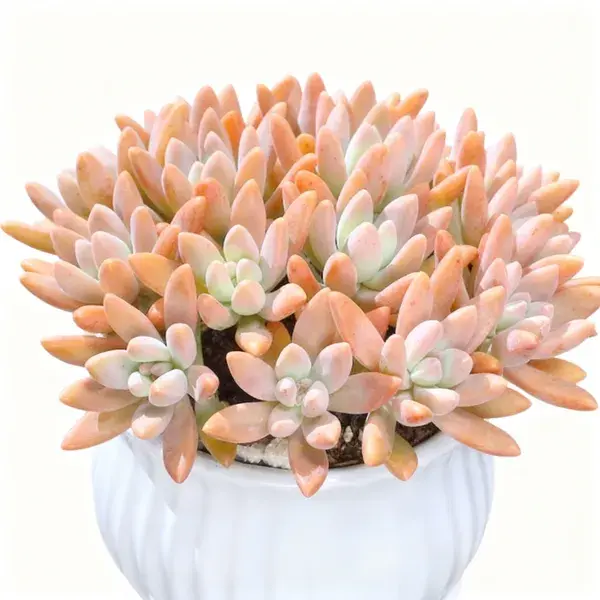
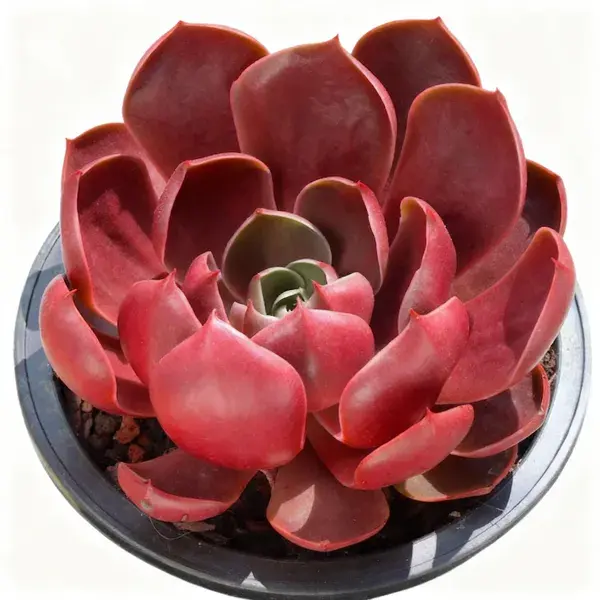
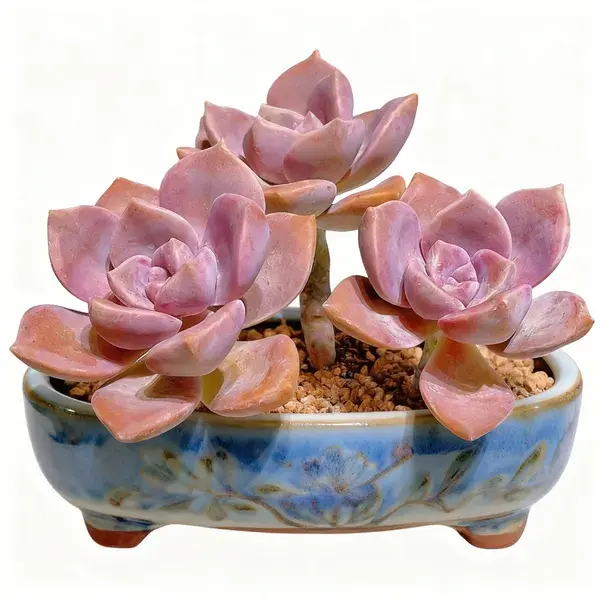
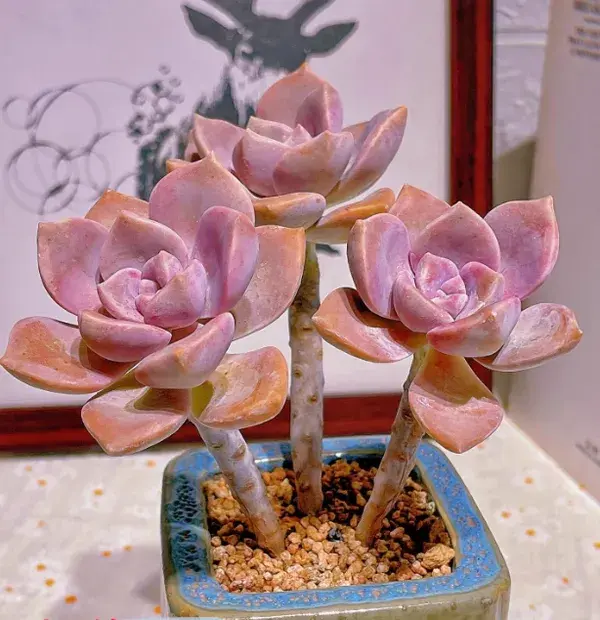
Adapted to thrive in environments with infrequent rainfall, succulents feature fleshy leaves or stems with reduced surface area to minimize water loss through transpiration. Their unique appearance ranges from the geometric rosettes of Echeveria to the columnar forms of cacti and the trailing vines of String of Pearls. Beyond their striking aesthetics, succulents require minimal maintenance, making them ideal for busy gardeners, urban dwellers, and those with limited gardening experience.
Core Advantages: Why Succulent Plants Are Perfect for Modern Lifestyles
- Drought Tolerance: Require minimal watering compared to other plants, surviving weeks or even months without water.
- Low Maintenance: Thrive with minimal care, ideal for busy individuals, beginners, and those with limited gardening experience.
- Space Efficiency: Many varieties stay compact, perfect for small apartments, offices, and limited garden spaces.
- Air Purification: Improve indoor air quality by absorbing toxins and releasing oxygen, especially at night for certain species.
- Year-Round Interest: Maintain attractive foliage year-round with diverse colors, textures, and forms that change with seasons.
Suitable for Everyone: Succulents for All Plant Enthusiasts
● Indoor Gardeners: Perfect for bright windowsills, offices, and apartments with limited space;
● Outdoor Gardeners: Drought-resistant plants for water-wise gardens, rock gardens, and xeriscaping;
● Busy Professionals: Low-maintenance plants that thrive with minimal attention;
● Plant Collectors: Diverse species with unique forms, colors, and flowering habits;
● Educational Settings: Excellent for teaching about plant adaptation and water conservation.
Echtes Benutzer-Feedback
“Succulents have transformed my apartment into a green oasis without requiring constant care. As someone who travels frequently, I appreciate their resilience and beautiful forms that add life to any space.” — From urban gardener @SucculentCity
“After struggling with traditional gardens in our dry climate, succulents have allowed us to create a beautiful, water-efficient landscape that thrives with minimal irrigation. They’ve also become a fascinating hobby for the whole family.” — From desert gardener @XeriscapeSuccess
Popular Succulent Types and Their Characteristics
Echeveria (拟石莲花属)
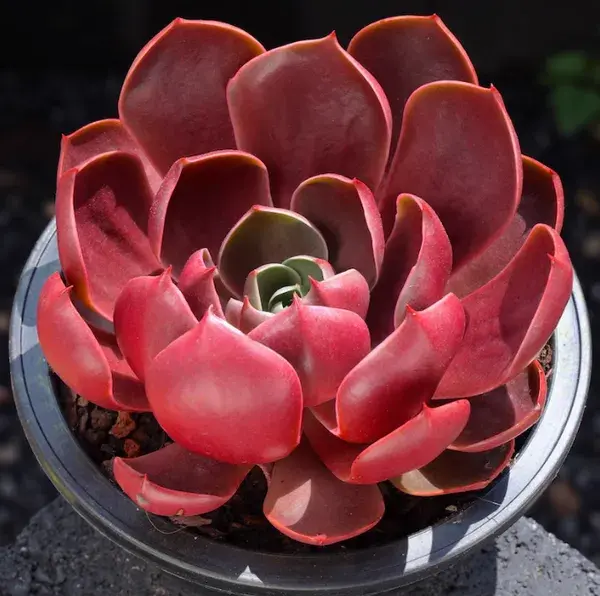
Rosette-forming succulents with thick, fleshy leaves in various colors. Popular varieties include ‘Lola’, ‘Perle von Nürnberg’, and ‘Blue Prince’.
Sedum (景天属)
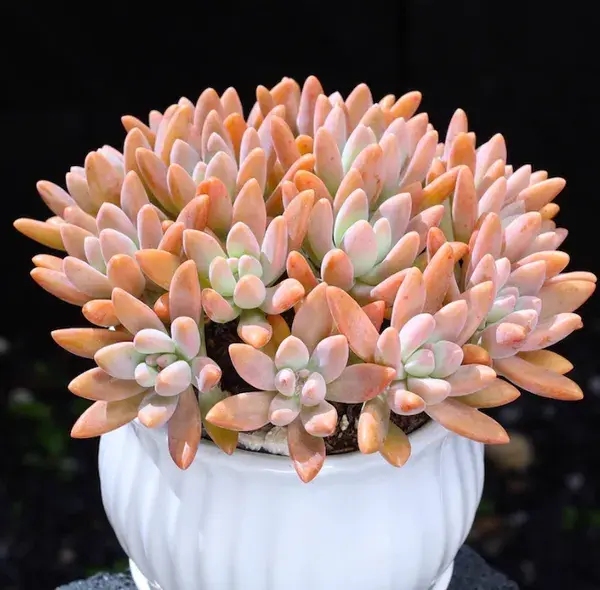
Diverse genus with groundcovers, upright varieties, and trailing forms. ‘Burro’s Tail’ and ‘Autumn Joy’ are popular selections.
Haworthia (十二卷属)
Small, compact succulents with translucent leaf windows. Ideal for indoor growing and shaded locations.
Cactus (仙人掌)
Stem succulents with areoles and spines. Includes popular varieties like prickly pear, saguaro, and Christmas cactus.
Aloe (芦荟属)
Medicinal succulents with spiky leaves and healing gel. Aloe vera is widely cultivated for its therapeutic properties.
Crassula (青锁龙属)
Includes the popular ‘Jade Plant’ (Crassula ovata) and ‘String of Buttons’ with stacked leaves.
Expert Care Guide for Succulent Plants
1. Growing Conditions: Creating the Perfect Environment
1. Light Requirements
Most succulents require bright, indirect sunlight for 4-6 hours daily.
- Indoor Placement: South or west-facing windows are ideal; rotate plants monthly for even growth
- Outdoor Placement: Morning sun with afternoon shade in hot climates; full sun in mild climates
- Supplemental Lighting: Use grow lights (12-14 hours daily) for insufficient natural light
2. Soil and Potting Requirements
Succulents require fast-draining soil to prevent root rot. Use a specialized succulent/cactus mix or create your own with:
- 2 parts potting soil
- 1 part perlite or pumice
- 1 part coarse sand or gravel
Select pots with drainage holes and use unglazed ceramic or terracotta for better air circulation to roots.
3. Temperature and Humidity
Most succulents prefer temperatures between 15-27°C during the growing season and 10-15°C in winter.
- Summer: Protect from extreme heat (above 32°C) with shade cloth
- Winter: Most succulents tolerate brief light frosts (-2°C to 0°C); protect from hard freezes
- Humidity: Thrive in low to moderate humidity (30-50%); avoid humid environments without air circulation
2. Watering and Feeding: The Key to Healthy Succulents
1. Watering Techniques
The most common cause of succulent failure is overwatering. Follow these guidelines:
- Soak and Dry Method: Water thoroughly until water drains from bottom, then allow soil to completely dry before watering again
- Frequency: Typically every 7-14 days in summer, every 3-6 weeks in winter
- Water Quality: Use room-temperature water; avoid softened or chlorinated water when possible
- Watering Method: Water soil directly, avoiding leaves to prevent rot and fungal issues
2. Fertilization Guidelines
Succulents have modest fertilizer needs:
- Timing: Fertilize only during active growth (spring and summer)
- Fertilizer Type: Use balanced, water-soluble fertilizer (10-10-10) diluted to half strength
- Frequency: Apply every 4-6 weeks during growing season; avoid fertilizing in winter
- Specialized Options: Cactus/succulent fertilizers with lower nitrogen and higher phosphorus/potassium
3. Propagation: Growing More Succulents
1. Leaf Propagation
Suitable for rosette-forming succulents like Echeveria and Sedum:
- Gently twist leaf from stem to ensure entire base is intact
- Allow leaf to callus for 2-3 days in dry, shaded location
- Place on well-draining soil mix, mist lightly occasionally
- New roots and plantlets will form in 2-4 weeks
2. Stem Cuttings
Ideal for taller succulents and trailing varieties:
- Use clean, sharp knife or scissors to take 5-10cm cutting
- Allow cutting to callus for 3-7 days
- Insert into well-draining soil mix
- Water sparingly until roots establish (2-3 weeks)
3. Offsets/Pups
Many succulents produce baby plants around the base:
- Carefully separate offsets when they reach 1/3 size of parent plant
- Allow to dry briefly before potting
- Pot in well-draining mix and water sparingly
4. Pest and Disease Management: Protecting Your Succulents
1. Häufige Schädlinge und Prävention
● Mealybugs: Remove with cotton swab dipped in alcohol; apply neem oil
● Scale Insects: Scrape off with toothpick; treat with horticultural oil
● Spider Mites: Increase humidity; spray with insecticidal soap
● Fungus Gnats: Allow soil to dry completely; use sticky traps; apply beneficial nematodes
● Aphids: Spray with water; apply insecticidal soap or neem oil
2. Disease Prevention and Management
● Root Rot: Improve drainage; water less frequently; remove affected roots and repot
● Leaf Spot: Avoid overhead watering; improve air circulation; remove affected leaves
● Powdery Mildew: Increase air flow; apply fungicides; isolate infected plants
● Stem Rot: Cut off healthy parts and propagate; improve growing conditions
3. Preventative Care
● Quarantine new plants for 2-3 weeks before introducing to collection
● Inspect plants regularly for signs of pests or disease
● Maintain proper growing conditions to keep plants healthy and resilient
● Avoid overcrowding to ensure good air circulation
5. Seasonal Care and Maintenance
1. Spring Care
Increase watering as temperatures rise; fertilize lightly; repot if needed; propagate overwintered plants
2. Summer Care
Provide afternoon shade in hot climates; monitor watering needs; watch for pests; protect from extreme heat
3. Fall Care
Gradually reduce watering; stop fertilizing; bring tender varieties indoors; prepare for winter dormancy
4. Winter Care
Water sparingly (only when soil is completely dry); provide maximum light; maintain cool temperatures (10-15°C); protect from frost
Tipp: The most important rule for succulent care is “less is more” – especially with water! When in doubt, water less rather than more. Provide bright light, fast-draining soil, and good air circulation, and your succulents will thrive. For best results, match succulent varieties to your specific growing conditions – some prefer more shade, while others need full sun to maintain their vibrant colors.






Bewertungen
Es sind noch keine Bewertungen vorhanden.