


Pink-Skinned Big Wax Gourd
Details & Complete Planting Guide
Ⅰ. Product Details
Variety Characteristics
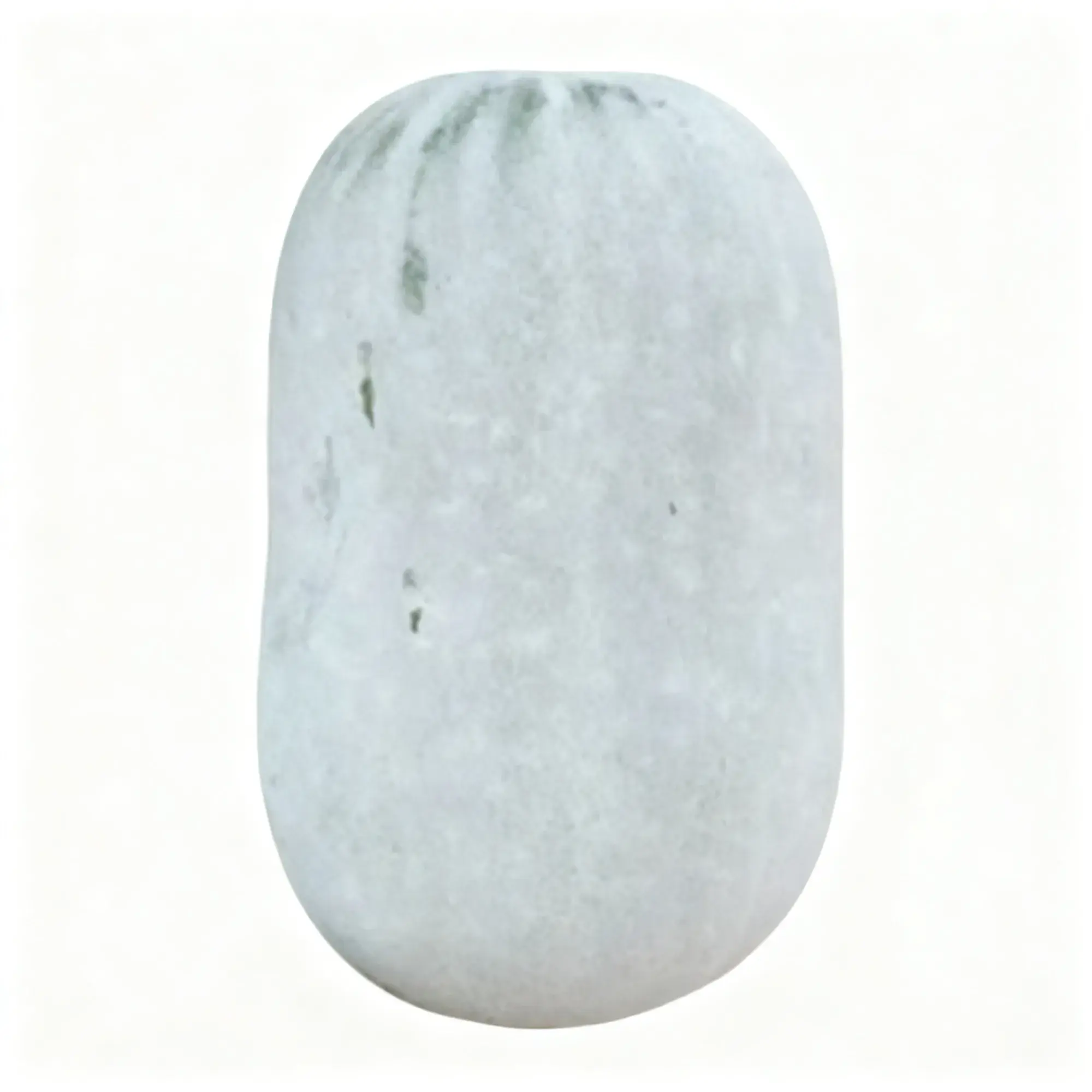
The Pink-Skinned Big Wax Gourd is a classic high-quality variety renowned for its “pink skin, thick flesh, large fruit size, and excellent storage/transportation resistance”. It is a mid-late maturing variety with a growth cycle of about 110-120 days. Single fruit weight can reach 15-30 kg, with maximum weight exceeding 40 kg, making it an ideal choice for garden planting and large-scale high-yield cultivation.
Quality Advantages
- The outer skin is pale pink, smooth and thick with strong toughness, effectively protecting the flesh and reducing transportation damage. It can be stored at room temperature for 2-3 months, extending the market and consumption period.
- The flesh is white, firm, with few fibers and a dense texture. Moderate water content makes it suitable for stir-frying, soup cooking, pickling, and drying. It tastes sweet and refreshing without bitterness.
- Rich in nutrients including vitamin C, dietary fiber, potassium, and various minerals. Low in calories and fat, it is an excellent food for summer heat relief and daily healthy diet.
High-Yield Characteristics
Plants grow vigorously with strong branching ability. Both main and lateral vines can bear fruit with high fruit set rate. Yield per mu can reach 8000-12000 kg. It has wide adaptability, suitable for cultivation in most regions of northern and southern China, with strong stress resistance, fertilizer and drought tolerance, few diseases and insect pests, and easy management.
Escenarios de aplicación
- Home gardens: Meet the vegetable needs of the whole family from summer to autumn and winter; excess fruits can be stored or shared with relatives and friends.
- Large-scale cultivation: Suitable for large-area cultivation by farmers and cooperatives with stable market demand and purchase price, and great potential for increasing yield and income.
- Catering/processing: Thick flesh is easy to handle, suitable for batch cooking in catering industry, or for making dried wax gourd, wax gourd candy, wax gourd sauce and other processed products.
Selection & Storage Suggestions
- Selection skills: Choose fruits with smooth pink skin, no damage or spots, dull sound when tapped (firm flesh), fresh and slightly curved fruit stems for higher maturity.
- Storage method: Place in a cool, ventilated, dry and dark place after harvest, pad with wooden boards or straw at the bottom to avoid direct contact with the ground and moisture, place individual fruits separately, check regularly, and store until the next spring.
Ⅱ. Planting Methods
Planting Preparation
1. Soil Selection
Pink-Skinned Big Wax Gourd prefers loose, fertile, well-drained, deep sandy loam or loam with pH value between 6.0-7.5. Deep plow the land 30-40 cm before planting, remove weeds and stones, and apply sufficient base fertilizer in combination with deep plowing: 3000-5000 kg of decomposed farmyard manure, 50 kg of compound fertilizer, and 30 kg of superphosphate per mu. Mix fertilizer with soil thoroughly, level and make ridges with width of 2-3 m and height of 20-30 cm for drainage.
2. Seed Treatment
- Seed selection: Choose high-quality seeds with full grains, no diseases and insect pests, and within shelf life, with seed consumption of about 50-100 grams per mu.
- Seed soaking and germination: Soak seeds in 55℃ warm water for 15-20 minutes before sowing (stir continuously to avoid scalding), then soak in normal temperature clear water for 8-12 hours. Take out and wrap with wet cloth, place in 25-30℃ environment for germination, rinse with clear water once a day, and sow when seed germination rate reaches about 80%.
Sowing & Transplanting
1. Sowing Time
- Southern China: Seedling raising in greenhouses in February-March, transplanting in March-April (direct seeding in open fields in early April);
- Northern China: Seedling raising in greenhouses in April-May, transplanting in mid-to-late May (after late frost) to avoid seedling damage by low temperature.
2. Sowing Methods
- Seedling raising and transplanting: Sow germinated seeds in seedling trays or nutrition bowls, 1-2 seeds per hole, cover with 1-2 cm fine soil, water thoroughly, keep seedling environment temperature at 20-25℃. Thin seedlings to retain strong ones when seedlings have 2-3 true leaves, and transplant when seedlings have 4-5 true leaves.
- Direct seeding: Dig holes according to plant-row spacing when soil moisture is suitable in open fields, sow 2-3 seeds per hole, cover with fine soil and water. Thin seedlings after emergence, leaving 1 strong seedling per hole.
3. Planting Density
Control plant-row spacing at 80-100 cm × 150-200 cm during transplanting, with 300-400 plants per mu. Water thoroughly after transplanting to promote seedling recovery.
Field Management
1. Water Management
- Seedling recovery period: Keep soil moist within 1 week after transplanting to promote root recovery;
- Vine extension period: Properly control watering to avoid excessive growth of plants, keep soil moist and dry;
- Fruit setting period: Water demand increases, water once every 7-10 days to keep soil moist, but avoid waterlogging (wax gourd is afraid of waterlogging, which can lead to root rot), drain water in time during rainy season;
- Maturity period: Reduce watering to promote sugar accumulation and fruit ripening, and improve storage resistance.
2. Fertilizer Management
- Seedling fertilizer: 10-15 kg of urea per mu or 500 kg of decomposed thin manure water per mu after transplanting and seedling recovery to promote seedling growth;
- Vine extension fertilizer: 20-30 kg of compound fertilizer per mu combined with 10 kg of potassium fertilizer when plants start to extend vines to promote robust growth of vines;
- Fruit setting fertilizer: 30-40 kg of compound fertilizer + 15-20 kg of potassium fertilizer per mu when fruits grow to fist size, apply once every 15-20 days for 2-3 consecutive times to ensure nutrients needed for fruit expansion. Water in time after fertilization to promote absorption.
3. Pruning & Trellising
- Pruning: Adopt single vine pruning or double vine pruning. Single vine pruning only retains main vine and removes all lateral vines; double vine pruning retains main vine and 1 strong lateral vine, and timely removes other lateral vines, tendrils and old leaves to reduce nutrient consumption.
- Trellising: Build herringbone trellis or flat trellis (1.5-2 m high) when plants grow to 30-40 cm, draw vines onto trellis to avoid fruits contacting ground (prevent rot and insect pests), and tie vines in time after trellising to fix plants.
4. Artificial Pollination & Fruit Retention
- Pollination: Wax gourd is a cross-pollinated crop. Artificial pollination can be carried out during flowering period (8-10 am): pick male flowers, remove petals, and apply anthers to female flower stigmas to improve fruit set rate.
- Fruit retention: Retain 1-2 fruits per vine, select young fruits with correct shape and no diseases and insect pests, remove other young fruits. When fruits grow to 5-10 kg, wrap fruits with mesh bags or cloth strips and hang on trellis to avoid trellis breakage due to excessive bearing capacity.
Disease & Pest Control
1. Common Diseases
- Downy mildew: Yellowish-brown lesions on leaves with white mold on the back. Control with 72% propamocarb hydrochloride + cymoxanil wettable powder 800x solution or 64% oxadixyl + mancozeb wettable powder 500x solution spray, once every 7-10 days for 2-3 consecutive times;
- Anthracnose: Sunken brown lesions with ring patterns on fruit surface. Control with 75% chlorothalonil wettable powder 600x solution or 50% carbendazim wettable powder 800x solution spray;
- Root rot: Root rot and plant wilting. Mix soil with 50% carbendazim wettable powder before transplanting, or irrigate roots with 50% thiophanate-methyl wettable powder 800x solution after onset.
2. Common Insect Pests
- Aphids and whiteflies: Suck leaf sap causing yellowing leaves. Control with 10% imidacloprid wettable powder 1500x solution or 25% thiamethoxam water dispersible granules 2000x solution spray;
- Cucumber moth: Larvae gnaw leaves and fruits. Control with 2.5% deltamethrin emulsifiable concentrate 2000x solution or 40% chlorantraniliprole water dispersible granules 3000x solution spray, focusing on spraying the back of leaves and around fruits.
3. Control Principles
- Priority to agricultural control (reasonable crop rotation, clean garden, strengthen ventilation and light transmission);
- Timely control at the early stage of diseases and insect pests, select low-toxic and high-efficiency pesticides, and strictly observe pesticide safety interval.
Harvesting
- Harvest time: Harvest when fruits are fully mature 80-90 days after transplanting. Judgment criteria: uniform pink-white skin color, increased hardness, brown and lignified fruit stems, firm flesh;
- Harvesting method: Cut fruit stems with sharp knives, retain 3-5 cm fruit stalks to avoid fruit damage. Handle with care during harvesting to prevent skin damage affecting storage.






Reseñas
Aún no hay opiniones.