


Thin-Skinned Pickled Pepper: A Crisp, Spicy Delight for Every Table
The Unique Characteristics of Thin-Skinned Pickled Pepper – Spicy and Crisp
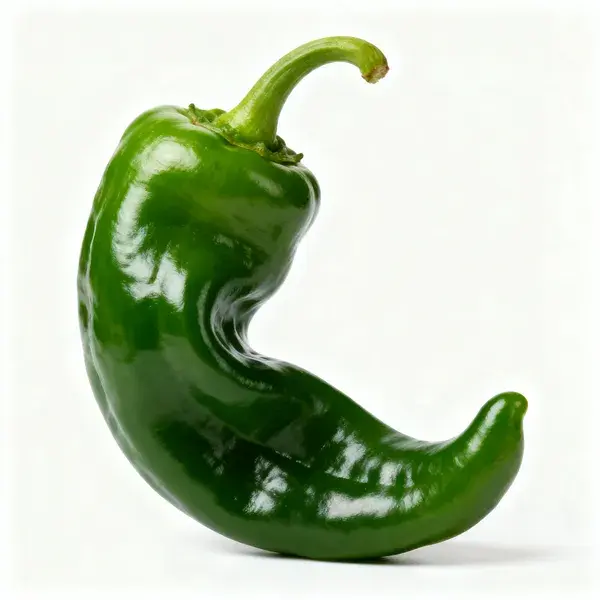
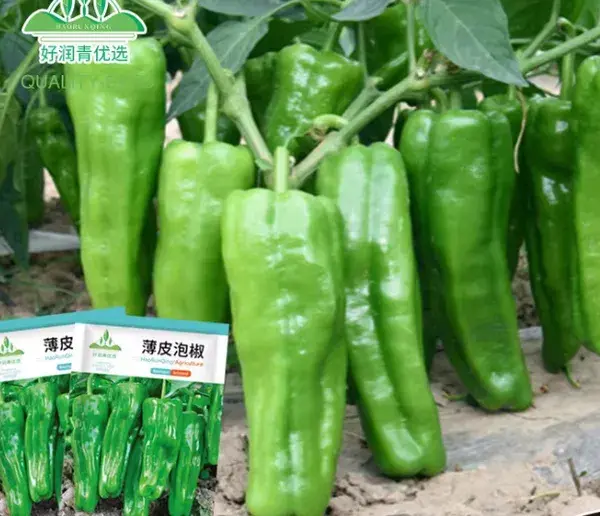
Thin-Skinned Pickled Pepper (薄皮泡椒), also known as “crystal pepper” or “paper skin pepper”, is a prized variety celebrated for its ultra-thin, tender skin and balanced spicy flavor with subtle sweetness. Originating from Sichuan, China, this pepper variety features vibrant red or green conical fruits (8-12cm long) with a glossy, translucent skin that crisps beautifully when pickled. The thin skin absorbs flavors quickly while maintaining a satisfying crunch, making it ideal for pickling, stir-fries, and fresh eating.
Unlike thick-skinned pepper varieties, Thin-Skinned Pickled Pepper offers a perfect balance of heat (30,000-50,000 SHU) and flavor complexity. The thin skin means less tough fiber and more flesh, with a juicy interior that bursts with flavor. When pickled, the skin develops a delightful crunch while infusing with vinegar and spice flavors, creating a versatile condiment that enhances any dish from noodles to meats.
Core Advantages: More Than Just a Spicy Pepper
- Ultra-Thin, Tender Skin: The delicate 0.2-0.3mm thick skin crisps perfectly when pickled, providing a satisfying texture without the toughness of thick-skinned varieties.
- Balanced Heat and Flavor: Moderate spiciness (30,000-50,000 SHU) with fruity undertones and subtle sweetness, making it enjoyable for both spice lovers and those who prefer milder heat.
- Quick Pickling Properties: Thin skin absorbs brine and flavors rapidly, producing ready-to-eat pickled peppers in just 3-5 days compared to 2-3 weeks for thick-skinned varieties.
- High Yield Potential: Each plant produces 30-50 peppers per season, with continuous harvesting from summer through fall.
- Dual-Purpose Use: Excellent fresh in salads and stir-fries, or pickled for long-term storage and flavor enhancement.
Suitable for Everyone: A Versatile Pepper for Every Kitchen
● Home Cooks: Perfect for making homemade pickled peppers, adding zing to everyday meals;
● Asian Cuisine Enthusiasts: Essential for authentic Sichuan, Hunan, and Thai dishes;
● Gardeners: Productive plants that thrive in containers and small gardens;
● Food Preservers: Ideal for quick pickling and fermentation projects;
● Restaurant Chefs: Adds visual appeal and balanced flavor to professional dishes.
Real User Feedback
“These thin-skinned peppers are amazing for pickling! The skin crisps up beautifully and absorbs the brine flavors perfectly. I use them in everything from banh mi sandwiches to stir-fries.” — From home food preserver @PicklingPassion
“As a Sichuan cuisine enthusiast, these peppers are essential for authentic flavor. The thin skin means they cook quickly and evenly, and the balanced heat is perfect for my family’s taste.” — From home cook @SpicyKitchen
Expert Growing Guide for Thin-Skinned Pickled Pepper
1. Pre-Planting Preparation: Setting the Stage for Success
1. Seed Selection and Treatment
Choose certified Thin-Skinned Pickled Pepper seeds from reputable suppliers specializing in Asian varieties. Soak seeds in warm water (28-30°C) for 8-12 hours, then wrap in damp paper towels and maintain at 25-30°C for 2-3 days until seeds show white sprouts. This improves germination rates to over 90%.
2. Soil Preparation and Container Selection
Prepare well-drained, fertile soil with pH 6.0-7.0. For in-ground planting, incorporate 2000-2500kg of compost per mu and 30-40kg of balanced fertilizer (10-10-10). For containers, use pots with minimum 30cm diameter (12 inches) and fill with a mix of 2 parts garden soil, 1 part compost, and 1 part perlite for drainage.
3. Planting Site Requirements
Select a sunny location with at least 6-8 hours of direct sunlight daily. Thin-Skinned Pickled Pepper thrives in warm conditions (20-30°C) and requires good air circulation to prevent fungal diseases. Space plants 40-50cm apart in rows 60-70cm apart for optimal growth and air flow.
2. Planting Techniques: Optimal Growth for Thin-Skinned Peppers
1. Planting Time
Start seeds indoors 6-8 weeks before last frost date, or direct seed outdoors when soil temperature reaches 18°C or higher (typically late spring). In warmer climates (USDA zones 8-11), plant in early spring for summer harvest or late summer for fall/winter harvest.
2. Planting Method
For transplants: Plant seedlings 15-20cm deep when they have 4-6 true leaves, burying part of the stem to encourage root development. For direct seeding: Plant 2-3 seeds per hill, 1cm deep, thin to strongest seedling when 10cm tall.
3. Support and Training
Install stakes or cages when plants reach 30cm height to support heavy fruit loads. Thin-Skinned Pickled Pepper plants grow to 60-80cm tall and benefit from support to prevent branches from breaking under fruit weight. Prune lower leaves to improve air circulation.
3. Care and Maintenance: Nurturing Your Pepper Plants
1. Water Management
Maintain consistent soil moisture, providing 2-3cm of water per week. Water deeply at the base to avoid wetting foliage, which can cause disease. Reduce watering slightly when fruits begin to ripen to enhance flavor concentration and skin thickness.
2. Fertilization Schedule
● Apply nitrogen-rich fertilizer (20-10-10) at planting to promote vegetative growth
● Switch to phosphorus-potassium fertilizer (10-20-20) when flowers appear (15kg per mu)
● Side-dress with compost tea every 3-4 weeks during fruiting
● Avoid excessive nitrogen after flowering, which reduces fruit production
3. Pollination Enhancement
Gently shake plants during flowering to improve pollination, especially in greenhouses or areas with limited insect activity. Thin-Skinned Pickled Pepper is self-pollinating but benefits from air movement for optimal fruit set.
4. Temperature Management
Provide shade during extreme heat (above 32°C) to prevent flower drop. In cooler climates, use row covers to extend the growing season and protect from night temperatures below 15°C.
4. Pest and Disease Management: Protecting Your Crop
1. Common Pests and Prevention
● Aphids: Spray with insecticidal soap or neem oil solution
● Pepper Maggots: Use row covers during fruiting stage; remove infested fruit
● Spider Mites: Increase humidity; spray with water and soap mixture
● Cutworms: Apply collars around stems at planting; use biological controls
2. Disease Prevention
● Anthracnose: Ensure proper spacing; avoid overhead watering; apply copper fungicides
● Bacterial Spot: Use disease-free seeds; rotate crops; remove infected plants
● Powdery Mildew: Improve air circulation; apply sulfur-based fungicides
● Verticillium Wilt: Practice crop rotation; choose resistant varieties
3. Integrated Pest Management
Plant companion plants like basil, marigolds, and onions to repel pests. Intercrop with beans to fix nitrogen and deter aphids. Remove crop debris after harvest to reduce overwintering pests and diseases.
5. Harvesting and Preserving Your Thin-Skinned Peppers
1. Optimal Harvest Time
Harvest green peppers at 8-10cm length (about 60-70 days after transplanting) for pickling, or wait until fully red (80-90 days) for increased sweetness and heat. For pickling, harvest when peppers are firm with glossy skin but before skin begins to wrinkle.
2. Harvesting Technique
Use scissors or pruners to cut peppers with 1-2cm of stem attached, rather than pulling, to avoid damaging plants. Harvest regularly (every 2-3 days) to encourage continuous production throughout the season.
3. Pickling and Storage Methods
● Quick Pickling: Soak in vinegar-salt brine with garlic, ginger, and spices for 3-5 days
● Fermentation: Pack in salt brine for 2-3 weeks for probiotic-rich fermented peppers
● Refrigeration: Store fresh peppers in plastic bags for 2-3 weeks
● Freezing: Slice and freeze for up to 6 months (best for cooking, not pickling)
● Drying: String and air dry for use as chili flakes or powder
Consejo: For the thinnest skin and best pickling quality, ensure consistent watering during fruit development and harvest peppers before they reach full size. The ideal pickling stage is when peppers are bright green, firm, and 8-10cm long – at this stage, the skin is at its thinnest and crisps perfectly when pickled!




280 Semillas de Impatiens + Abono Pequeño
El precio original era: $12.50.$10.90El precio actual es: $10.90.




Reseñas
Aún no hay opiniones.