




Yellow-Green Okra
Details & Complete Planting Guide
Ⅰ. Product Details
Variety Characteristics
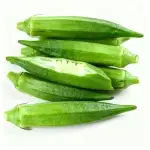
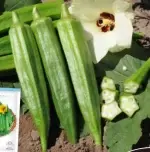
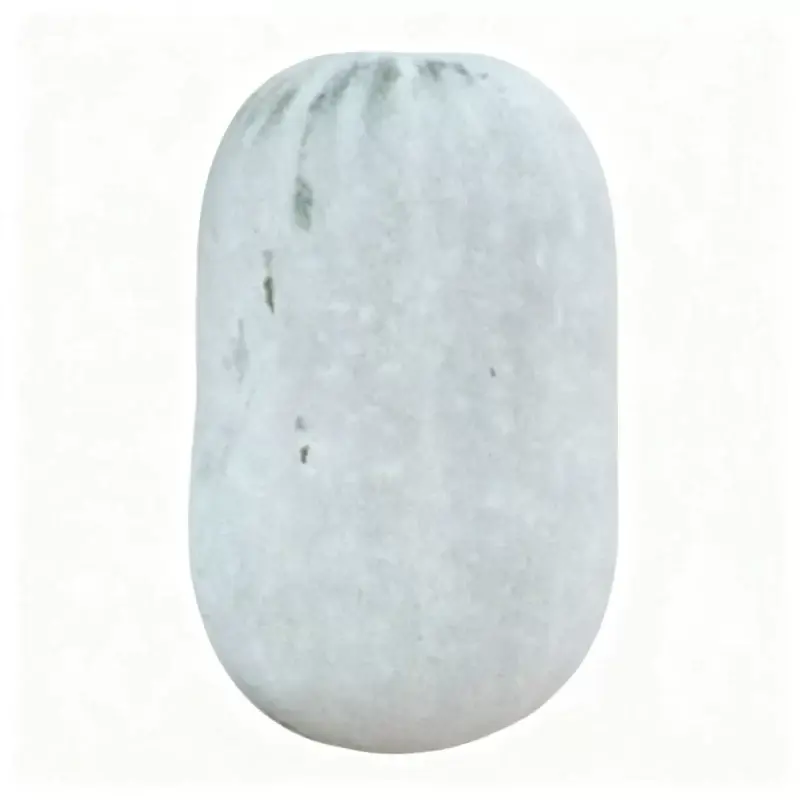
Yellow-Green Okra (Abelmoschus esculentus) is an annual herbaceous plant of the Malvaceae family with a growth cycle of 90-120 days. The plant grows to 1.2-1.8m tall with palmate leaves and yellow-green pods (10-15cm long, 1.5-2cm wide) that are tender and less fibrous. It has strong heat tolerance and drought resistance, suitable for cultivation in warm and sunny environments throughout the summer season.
Quality Advantages
- Pods are tender and crisp with unique flavor, rich in vitamins (A, C, E), minerals (calcium, iron, potassium), dietary fiber and mucilage substances, with functions of protecting gastric mucosa and lowering blood sugar.
- Slow fiber aging: Remains tender longer than green okra varieties, with a harvest window of 4-6 days after flowering compared to 2-3 days for green varieties.
- Ornamental value: Features beautiful yellow flowers and distinctive yellow-green pods, suitable for both commercial production and home garden planting.
High-Yield Characteristics
Under proper cultivation management, the yield per mu can reach 1500-2000kg. The variety has strong branching ability and continuous fruiting characteristics, with each plant producing 30-50 pods during the harvest period of 60-80 days. It has good resistance to Fusarium wilt and root-knot nematodes, requiring minimal pesticide application.
Escenarios de aplicación
- Fresh food market: Sold as a specialty vegetable, popular in high-end restaurants and health food stores for stir-frying, boiling, and pickling;
- Health food industry: Used in functional foods and dietary supplements due to its rich nutritional content;
- Export market: Highly valued in international markets for its unique color and quality;
- Urban agriculture: Suitable for backyard gardens and container planting, providing both edible pods and ornamental value.
Selection & Storage Suggestions
- Selection skills: Choose young pods (10-12cm long) with bright yellow-green color, firm texture, and no signs of wilting or insect damage;
- Storage method:
- Short-term storage: Wrap in paper towels and store in refrigerator crisper for 5-7 days;
- Long-term storage: Blanch for 2-3 minutes and freeze for up to 6 months;
- Processing: Can be pickled or dried for extended shelf life.
Ⅱ. Planting Methods
Planting Preparation
1. Site Selection
Yellow-Green Okra thrives in well-drained, fertile sandy loam with pH 6.0-7.5 and full sunlight (6-8 hours daily). The site should be warm and sheltered from strong winds, with soil temperature above 18℃ for optimal germination and growth. Avoid low-lying areas prone to waterlogging and fields with a history of solanaceous crop cultivation.
2. Seed Treatment
- Seed selection: Choose plump seeds with high germination rate (≥85%), with seed consumption of 1.5-2kg per mu;
- Seed scarification: Nick seed coats gently with sandpaper or soak in 80℃ water for 5 seconds to break dormancy;
- Germination acceleration: Soak seeds in 25-30℃ water for 12-24 hours, then germinate at 28-30℃ for 2-3 days until white buds appear.
Planting Methods
1. Sowing Time
- Spring sowing: Late April to early May when soil temperature ≥18℃;
- Summer sowing: June to July for staggered harvest;
- Greenhouse cultivation: Can be sown as early as March for early market;
- Northern regions: Start seedlings indoors in late March and transplant outdoors in late May.
2. Planting Techniques
- Direct seeding: Dig holes 2-3cm deep with row spacing of 60-70cm and plant spacing of 30-40cm, sow 3-4 seeds per hole, thin to 1-2 seedlings per hole after emergence;
- Seedling transplanting: Use 50-hole seedling trays, transplant when seedlings have 3-4 true leaves (30-35 days old) with soil ball to avoid root damage;
- Ridge cultivation: Make ridges 20-25cm high and 50cm wide, plant on ridge tops to improve drainage;
- Container planting: Use pots with diameter ≥30cm, plant 1 seedling per pot with well-drained potting mix.
Field Management
1. Water Management
- Seedling stage: Keep soil moist but not waterlogged, water once every 3-5 days;
- Vegetative growth period: Water deeply once every 7-10 days, ensure sufficient water during flowering and pod formation;
- Drought management: Increase watering frequency during dry periods, apply mulch to retain soil moisture;
- Avoid overhead irrigation during flowering to prevent flower drop.
2. Fertilizer Management
- Base fertilizer: Apply 2000-3000kg of decomposed organic fertilizer + 30kg of compound fertilizer (N:P:K=15:15:15) per mu before planting;
- Seedling fertilizer: Apply 10kg of urea per mu 15 days after emergence to promote vegetative growth;
- Flowering fertilizer: Apply 20kg of phosphorus-potassium fertilizer per mu at initial flowering stage;
- Pod formation fertilizer: Apply 15kg of compound fertilizer + 10kg of potassium sulfate per mu after first pod harvest, repeat every 20 days;
- Foliar feeding: Spray 0.2% potassium dihydrogen phosphate solution during pod formation period for 2-3 times.
3. Plant Management
- Thinning: Remove weak seedlings and maintain proper plant density at 2500-3000 plants per mu;
- Pruning: Remove lower leaves and lateral branches below 50cm height to improve ventilation and light penetration;
- Staking: Provide support for tall plants (over 1.5m) to prevent lodging;
- Mulching: Apply straw or plastic mulch to suppress weeds and retain soil moisture.
4. Disease & Pest Control
- Fusarium wilt: Use resistant varieties, practice crop rotation, apply 50% carbendazim 500x solution for soil treatment;
- Leaf spot: Spray with 75% chlorothalonil 600x solution or 50% thiophanate-methyl 800x solution;
- Aphids and whiteflies: Control with 10% imidacloprid 1500x solution or yellow sticky traps;
- Caterpillars and beetles: Use Bt emulsion 500x solution or 2.5% deltamethrin 2000x solution;
- Root-knot nematodes: Apply nematicides before planting, use marigold as companion plant.
Harvesting
- Harvest time: Begin harvesting 50-60 days after sowing, pick pods when they reach 10-12cm length (4-6 days after flowering);
- Harvest frequency: Harvest every 2-3 days during peak production period;
- Harvesting method: Cut pods with pruning shears or snap off carefully to avoid damaging plants, harvest in morning when pods are crisp;
- Post-harvest handling: Cool pods to 10-15℃ immediately after harvest, pack in breathable containers, avoid bruising which causes discoloration;
- Continuous production: Proper harvesting promotes continued flowering and pod formation, extending harvest period to 60-80 days.






Reseñas
Aún no hay opiniones.