




Yangjiao Crisp & Yangjiao Honey Melon
Details & Complete Planting Guide
Ⅰ. Product Details
Variety Characteristics
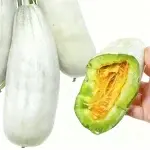
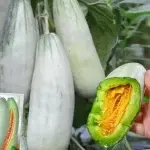
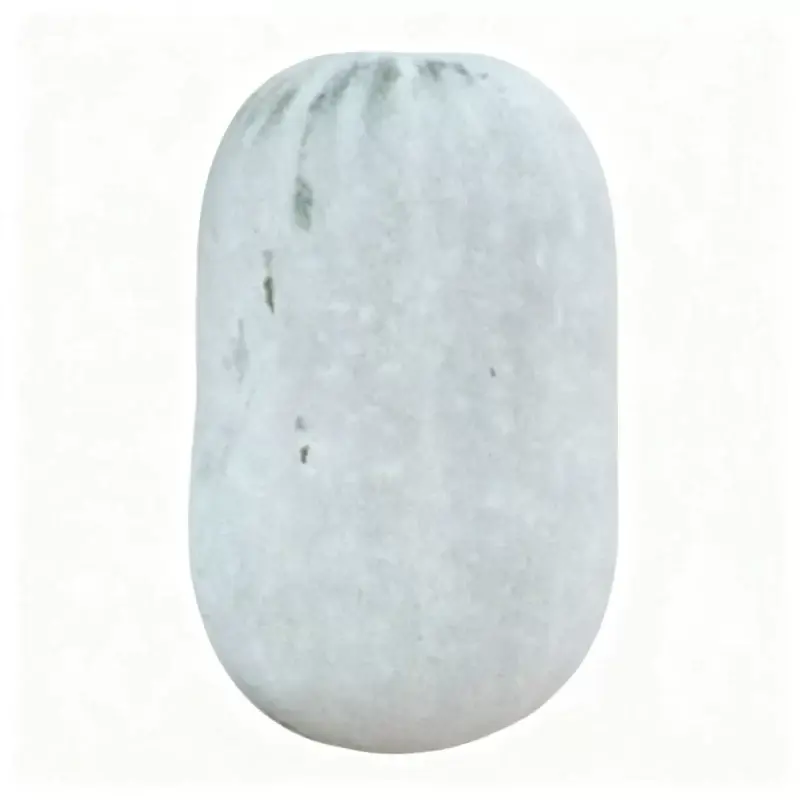
Yangjiao Crisp and Yangjiao Honey Melon are elite varieties of muskmelon (Cucumis melo var. reticulatus) with a growth cycle of 90-110 days. Yangjiao Crisp features long, horn-shaped fruits (30-40cm length, 8-10cm diameter) weighing 0.8-1.2kg, with pale green skin and crisp, sweet flesh (15-18°Brix). Yangjiao Honey Melon has slightly shorter fruits (25-35cm) with higher sugar content (18-22°Brix) and aromatic flavor. Both varieties are heat-loving and require plenty of sunlight for optimal growth.
Quality Advantages
- Exceptional flavor: Crisp, juicy flesh with high sugar content and rich aroma, superior to common muskmelon varieties;
- Unique appearance: Distinctive horn shape with attractive skin texture, high market recognition and value;
- Good transportability: Firm flesh and thick rind reduce damage during transportation, suitable for long-distance shipping;
- Nutritional value: Rich in vitamin C, vitamin A, potassium, dietary fiber and antioxidants, with heat-clearing properties.
High-Yield Characteristics
Under proper cultivation management, the yield per mu can reach 2500-3500kg. Each plant produces 2-3 fruits, with strong disease resistance to powdery mildew and fusarium wilt. The varieties have good adaptability to protected cultivation (greenhouse/ plastic tunnel) and open field growing in warm regions, with stable performance and high commercial value.
Escenarios de aplicación
- Fresh market: Premium fruit sold in supermarkets, fruit stores and high-end produce markets;
- Gift market: Elegant packaging makes it an ideal gift for festivals and special occasions;
- Catering industry: Used in fruit platters, desserts and fruit salads in high-end restaurants;
- Export market: Popular in Southeast Asia and domestic high-end markets due to unique quality;
- Tourism agriculture: Attractive for pick-your-own farms and agritourism due to unique shape and flavor.
Selection & Storage Suggestions
- Selection skills:
- Choose fruits with fully developed netting (Yangjiao Honey) or smooth, glossy skin (Yangjiao Crisp);
- Check for slight softening at blossom end and sweet aroma;
- Select fruits with uniform shape and no mechanical damage or disease spots.
- Storage method:
- Room temperature storage: Keep at 20-25℃ for 3-5 days to enhance flavor development;
- Refrigerated storage: Store in refrigerator at 8-10℃ for 7-10 days;
- Cut melon: Wrap cut surfaces with plastic wrap and consume within 2-3 days;
- Avoid storage with strong-smelling foods to prevent flavor absorption.
Ⅱ. Planting Methods
Planting Preparation
1. Site Selection
Yangjiao melons require fertile, well-drained sandy loam or loam soil with pH 6.0-7.5 and high organic matter content. The planting site should have full sunlight (8-10 hours daily) and good air circulation, with protection from strong winds. Avoid fields with recent cucurbit cultivation to prevent soil-borne diseases. Greenhouse cultivation requires good ventilation and temperature control systems.
2. Seed Treatment
- Seed selection: Choose certified seeds with high germination rate (≥90%), seed consumption of 50-80g per mu;
- Seed disinfection: Soak seeds in 55℃ warm water for 15 minutes (stir continuously), then soak in 1% potassium permanganate solution for 10 minutes;
- Germination acceleration: Rinse seeds and soak in 25-30℃ water for 6-8 hours, wrap in wet gauze and germinate at 28-30℃ for 24-36 hours until radicles emerge (0.5cm length).
Seedling Raising & Planting
1. Seedling Raising Time
- Spring greenhouse cultivation: Seedling raising in late February to early March, transplanting in late March to early April;
- Spring open field cultivation: Seedling raising in late March to early April, transplanting in late April to early May (after frost);
- Summer cultivation: Seedling raising in late May to early June, transplanting in mid-June;
- Autumn greenhouse cultivation: Seedling raising in mid-July to early August, transplanting in late August.
2. Seedling Raising Techniques
Use 50-hole seedling trays filled with sterilized nutrient soil (peat: vermiculite: perlite = 2:1:1). Sow 1 germinated seed per hole at depth of 1-1.5cm, cover with fine soil and water thoroughly. Maintain day temperature at 25-30℃ and night temperature at 18-20℃. After emergence, reduce temperature by 2-3℃ to prevent leggy seedlings. Harden seedlings 7-10 days before transplanting by reducing water and increasing ventilation.
3. Transplanting Requirements
- Transplant when seedlings have 3-4 true leaves (30-35 days old) and well-developed root system;
- Planting density: 600-800 plants per mu with row spacing of 1.5-2m and plant spacing of 50-60cm;
- Soil preparation: Apply 3000-4000kg decomposed organic fertilizer + 50kg compound fertilizer (N:P:K=15:15:15) + 20kg potassium sulfate per mu before planting;
- Planting method: Dig planting holes slightly larger than root balls, water thoroughly after transplanting, cover with plastic mulch to retain heat and moisture.
Field Management
1. Water & Fertilizer Management
- Water management:
- Seedling stage: Keep soil moist but not waterlogged, water once every 5-7 days;
- Vine elongation stage: Increase watering frequency, water once every 3-4 days;
- Flowering period: Control water to promote pollination and fruit set;
- Fruit expansion period: Ensure adequate water supply, water deeply once every 5-7 days;
- Ripening period: Reduce watering 10-15 days before harvest to increase sugar content.
- Fertilizer management:
- Seedling fertilizer: Apply 5kg urea per mu 10 days after transplanting;
- Vine fertilizer: Apply 10kg compound fertilizer per mu at vine elongation stage;
- Fruit fertilizer: Apply 20kg potassium sulfate + 10kg phosphorus fertilizer per mu after fruit set;
- Foliar fertilizer: Spray 0.2% potassium dihydrogen phosphate + 0.1% boron fertilizer during flowering and fruit expansion for 2-3 times.
2. Pruning & Training
- Single vine pruning: Keep main vine only, remove all lateral vines (side shoots), suitable for greenhouse cultivation;
- Double vine pruning: Keep main vine and one strong lateral vine, remove other lateral vines, suitable for open field cultivation;
- Pinching: Pinch main vine when it reaches 25-30 nodes, leave 2-3 leaves after fruit set;
- Training: Use trellis or hanging strings for vertical growth in greenhouses, allow vines to crawl on mulch in open fields;
- Fruit thinning: Keep only 2-3 well-developed fruits per plant, remove malformed or diseased fruits.
3. Pollination & Fruit Setting
- Natural pollination: Rely on bees and insects in open fields, place beehives (2-3 boxes per mu) during flowering;
- Artificial pollination: In greenhouses, pollinate female flowers with male flowers in morning (8-10 am) or use pollination agents;
- Fruit bagging: Cover young fruits with paper bags 10-15 days after fruit set to prevent sunburn and insect damage;
- Fruit turning: Rotate fruits every 5-7 days for uniform color development and ripening.
4. Disease & Pest Control
- Powdery mildew and downy mildew: Use 25% triadimefon 1500x solution or 72% metalaxyl 800x solution;
- Fusarium wilt: Practice crop rotation, use resistant rootstocks for grafting, apply 50% carbendazim 500x solution;
- Anthracnose: Spray with 75% chlorothalonil 600x solution or 50% thiophanate-methyl 800x solution;
- Aphids and whiteflies: Control with 10% imidacloprid 1500x solution or yellow sticky traps;
- Cucumber beetles and fruit flies: Use insecticidal nets and bait traps, apply 2.5% deltamethrin 2000x solution.
Harvesting
- Harvest time:
- Yangjiao Crisp: 30-35 days after fruit set when skin turns pale green and tendrils near fruit stem dry;
- Yangjiao Honey Melon: 35-40 days after fruit set when netting is fully developed and fruit emits sweet aroma;
- Harvest in morning when temperature is low to maintain fruit quality.
- Harvesting method:
- Cut fruit stems with pruning shears, leave 2-3cm stem for extended shelf life;
- Handle fruits carefully to avoid bruising, place in single layer during harvesting;
- Sort fruits by size and quality, discard damaged or diseased fruits.
- Post-harvest handling:
- Cure fruits at 20-25℃ for 2-3 days to enhance flavor development;
- Package in foam nets and cartons for transportation;
- Store at 8-10℃ with 85-90% relative humidity for up to 10-15 days;
- For long-distance transport, use refrigerated trucks at 10-12℃.






Reseñas
Aún no hay opiniones.