





Fruit Cucumber (水果黄瓜): The Sweet, Seedless Mini Cucumber for Fresh Snacking
The Distinctive Qualities of Fruit Cucumber – A Garden Delight
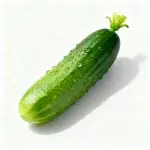
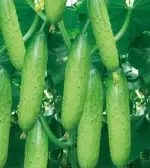
Fruit Cucumber (水果黄瓜), also known as Mini Cucumber or Snack Cucumber, represents premium seedless cucumber varieties bred specifically for their small size, sweet flavor, and crisp texture. These parthenocarpic (seedless) varieties produce slender, 12-15cm fruits with thin, tender skin and crisp, juicy flesh that requires no peeling. Unlike traditional field cucumbers, fruit cucumbers are bred for fresh eating, featuring a sweet, mild flavor with minimal bitterness and no hard seeds, making them perfect for snacking right off the vine.
Characterized by their continuous fruiting habit and disease resistance, these modern hybrid varieties include ‘Mini Munch’, ‘Sweet Success’, ‘Piccolo’, and ‘Japanese Long’ types. The plants are typically compact vining or bush varieties that thrive in greenhouses, containers, and small garden spaces, producing abundant crops of uniform, high-quality fruits throughout the growing season. Their small size and snackable nature have made them increasingly popular for fresh market sales and home garden production.
Core Advantages: Why Fruit Cucumber Stands Above Other Varieties
- Seedless and Peel-Free: Thin, tender skin and completely seedless flesh eliminate preparation needs – eat directly from the vine!
- Sweet, Mild Flavor: Exceptionally sweet taste with no bitterness, even when grown in heat stress conditions.
- Continuous Harvest: Parthenocarpic varieties set fruit without pollination, producing continuously until frost.
- Space-Efficient Growth: Compact vines or bush types require minimal garden space and excel in containers and small gardens.
- High Disease Resistance: Bred for resistance to powdery mildew, downy mildew, cucumber mosaic virus, and scab for reliable production.
Suitable for Everyone: A Cucumber for All Growers
● Home Gardeners: Enjoy fresh, snackable cucumbers with no preparation needed;
● Urban Gardeners: Compact varieties perfect for containers, balconies, and small raised beds;
● Market Growers: Premium pricing for seedless mini cucumbers in high-demand snack market;
● Health-Conscious Consumers: Low-calorie, nutrient-rich snack with high water content;
● Greenhouse Growers: Parthenocarpic varieties thrive in protected environments with year-round production potential.
Real User Feedback
“Fruit cucumbers have become my family’s favorite garden snack. The kids love picking them right off the vine and eating them whole – no peeling, no seeds, just crisp, sweet cucumber goodness. They produce far more than traditional varieties too!” — From home gardener @SnackHarvest
“As a specialty produce grower, fruit cucumbers are my top-selling cucumber variety. Chefs and consumers alike appreciate their consistent quality, sweet flavor, and convenience factor – they command premium prices at market.” — From farmer @GourmetGreens
Expert Growing Guide for Fruit Cucumber
1. Pre-Planting Preparation: Creating Optimal Growing Conditions
1. Variety Selection
Choose from these proven fruit cucumber varieties:
- Hybrid Mini Varieties: ‘Mini Munch’, ‘Sweet Success’, ‘Piccolo’, ‘Baby Bush’, ‘Spacemaster’
- Asian Varieties: ‘Japanese Long’, ‘Kyuri’, ‘Suyo Long’, ‘Ashley’
- Parthenocarpic Types: ‘Corinto’, ‘Luna’, ‘Passandra’, ‘Diamant’
- Bush Varieties: ‘Bush Champion’, ‘Patio Snacker’, ‘Spacemaster’
2. Soil Preparation and Requirements
Prepare fertile, well-drained soil with pH 6.0-7.0 and high organic matter content. Incorporate 2000-2500kg of compost per mu and 20-30kg of balanced fertilizer (10-10-10). The soil should warm to 18°C or higher before planting for optimal germination and growth. Raised beds warm faster and provide excellent drainage for cucumber cultivation.
3. Site Selection and Timing
Select a sunny location with at least 8 hours of direct sunlight daily. Fruit cucumbers thrive in warm conditions (25-30°C daytime, 20-22°C nighttime). Start seeds indoors 3-4 weeks before last frost date, or direct sow when soil temperature reaches 18°C (typically late spring/early summer).
2. Planting Techniques: Ensuring Successful Establishment
1. Planting Method and Spacing
Sow seeds 1-2cm deep, 2-3 seeds per hill, with hills spaced 40-60cm apart for vining varieties or 30-40cm for bush types. For trellised production, space plants 30cm apart in rows 90cm apart. Thin to 1-2 strongest plants per hill after germination.
2. Support Systems
Install trellises, cages, or stakes at planting time for vining varieties. Trellising improves air circulation, reduces disease, and keeps fruits clean. Use nylon netting (10cm mesh) or sturdy wire trellises for best support. Bush varieties may not require support but benefit from small cages for fruit support.
3. Container Growing Options
Fruit cucumbers excel in containers (minimum 30cm diameter/10 gallons). Use a high-quality potting mix with added compost and perlite (2:1:1 ratio). Plant 1-2 plants per container, place in full sun, and provide trellis support for climbing varieties.
3. Care and Maintenance: Maximizing Yield and Quality
1. Water Management
Maintain consistent soil moisture, providing 3-4cm of water per week. Cucumbers are 95% water and require steady moisture for optimal growth and flavor. Use drip irrigation or soaker hoses to keep foliage dry and reduce disease pressure. Mulch with straw or plastic to conserve moisture and suppress weeds.
2. Fertilization Schedule
● Apply balanced fertilizer (10-10-10) at planting (20kg per mu)
● Side-dress with nitrogen-rich fertilizer (21-0-0) when vines begin to run (15kg per mu)
● Apply potassium sulfate (10kg per mu) during fruiting to enhance sweetness and quality
● Foliar feed with seaweed extract (diluted 1:500) during flowering to improve fruit set
3. Pruning and Training
For vining varieties, train main stem up support and remove lateral shoots until reaching 1.5m height to encourage vertical growth. For bush varieties, minimal pruning is needed – simply remove any diseased or damaged foliage. Pinch growing tips when plants reach desired height to encourage branching and more fruiting sites.
4. Pollination Considerations
Most fruit cucumber varieties are parthenocarpic (seedless) and do not require pollination, making them ideal for greenhouse production or areas with limited pollinators. For seeded varieties, ensure good bee activity during flowering, or hand-pollinate if necessary.
4. Pest and Disease Management: Protecting Your Crop
1. Common Pests and Prevention
● Cucumber Beetles: Use row covers during early growth; apply neem oil; plant resistant varieties
● Aphids and Whiteflies: Spray with insecticidal soap; introduce ladybugs; use reflective mulches
● Spider Mites: Increase humidity; apply miticides; use predatory mites (Phytoseiulus)
● Squash Bugs: Handpick; apply diatomaceous earth; use row covers
● Slugs and Snails: Use beer traps; apply copper barriers; handpick in early morning
2. Disease Prevention and Management
● Powdery Mildew: Ensure good air circulation; apply sulfur-based fungicides; choose resistant varieties
● Downy Mildew: Avoid overhead watering; apply copper fungicides; improve air flow
● Bacterial Wilt: Control cucumber beetles; remove infected plants immediately; sanitize tools
● Anthracnose: Use disease-free seeds; practice crop rotation; apply fungicides preventively
● Fusarium Wilt: Choose resistant varieties; practice crop rotation; solarize soil
3. Integrated Pest Management
Plant companion plants like marigolds, nasturtiums, and radishes to repel pests. Intercrop with beans and corn to maximize space and deter specific pests. Apply organic mulches to prevent soil-borne diseases from splashing onto plants. Practice crop rotation with non-cucurbit crops for 3-4 years.
5. Harvesting and Storage: Maximizing Quality and Shelf Life
1. Optimal Harvest Time
Harvest fruit cucumbers when they reach 12-15cm length (depending on variety) and skin is glossy and firm. For best flavor and texture, harvest every 1-2 days once plants start fruiting. Overmature fruits become bitter, develop hard seeds, and reduce production of new fruits.
2. Harvesting Technique
Use pruning shears or a sharp knife to cut fruits with 1-2cm of stem attached. Pulling or twisting can damage vines and developing fruit. Handle carefully to prevent bruising, which reduces quality and storage life. Harvest in morning when temperatures are cool for best flavor and shelf life.
3. Storage and Preservation Methods
● Short-term Storage: Refrigerate in plastic bags for 7-10 days; do not wash until ready to use
● Pickling: Small fruits are perfect for sweet or dill pickles and relishes
● Freezing: Slice and freeze for use in smoothies and cooked dishes
● Dehydrating: Slice and dry for cucumber chips or powder
● Fermenting: Create lacto-fermented pickles for probiotic-rich preserves
Consejo: For maximum sweetness and production from fruit cucumbers, harvest every 1-2 days when fruits reach 12-15cm – regular picking prevents oversize fruits and encourages continuous flowering. The small size makes them perfect for snacking, and their thin skin means no peeling is needed! Provide consistent moisture during fruit development, and mulch heavily to keep roots cool and moist in hot weather.





Kit de plantación de aliento de bebé
El precio original era: $15.20.$9.80El precio actual es: $9.80.


Reseñas
Aún no hay opiniones.