


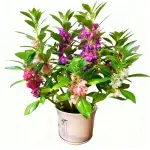



Balsam Flower (Impatiens balsamina)
Scientific Name: Impatiens balsamina
Ornamental & Practical Annual Flower Guide
工場概要
Impatiens balsamina, commonly known as Balsam Flower, Nail Flower, or Touch-Me-Not, is an annual herbaceous plant belonging to the Balsaminaceae family. It is widely cherished for its vibrant, butterfly-shaped blooms and unique seed-dispersal mechanism—mature seed pods burst open when touched, scattering seeds. A popular summer flower for gardens and balconies, it combines ornamental value with practical uses and carries nostalgic memories for many.


Key Characteristics
- Height: 20-60cm (8-24 inches)
- Stem: Erect, robust, succulent, green or reddish-brown
- Leaves: Alternate, lanceolate, serrated edges, smooth surface
- Flowers: Solitary or clustered, 5 petals, butterfly-shaped; colors include pink, red, purple, white, and bicolor
- Blooming Period: June-September
- Fruits: Spindle-shaped capsules, explosive seed dispersal
Growing Habits
- Climate Preference: Warm and humid, full sun to partial shade
- Optimal Temperature: 15-30°C (59-86°F)
- Soil Requirement: Loose, fertile, well-drained sandy loam
- pH Level: 6.0-7.0
- Drought Tolerance: Moderate, intolerant of waterlogging
- Frost Sensitivity: Not frost-tolerant
Planting & Propagation
Balsam flowers are primarily propagated by seeds, which is simple and has a high survival rate. They can also be grown from cuttings, but seeds are the most common method for home gardeners.
Seed Sowing Instructions
-
1
Timing
Sow indoors 6-8 weeks before the last frost (late winter to early spring) or directly outdoors after frost danger passes (late spring). For autumn blooms, sow in late summer (August-September) and move indoors for winter protection.
-
2
Soil Preparation
Use well-drained soil mix (garden soil:compost:perlite = 3:1:1) to ensure good drainage and fertility. Avoid heavy clay soil that may cause root rot.
-
3
Sowing Method
Spread seeds evenly on the soil surface, then cover with a thin layer (0.5cm) of fine soil. Gently press to ensure seed-soil contact and water thoroughly to moisten the soil.
-
4
Germination Conditions
Maintain soil moisture and temperature at 18-22°C (65-72°F). Germination occurs in 7-10 days. Provide bright, indirect light once seedlings emerge to prevent leggy growth.
-
5
Transplanting
When seedlings have 2-3 true leaves, transplant them to individual pots or outdoor beds, spacing 20-25cm (8-10 inches) apart to allow for bushy growth.
Daily Care
Light & Temperature
- Provide 4-6 hours of daily sunlight; tolerate partial shade in hot summer afternoons.
- Protect from intense midday sun to prevent leaf scorching.
- Maintain temperatures between 15-30°C; move indoors if temperature drops below 10°C (50°F).
Watering & Fertilizing
- Follow the “dry-wet” principle: water when the top 2cm of soil is dry.
- Water deeply but avoid waterlogging—ensure pots have drainage holes.
- Water in the morning or evening during hot weather to reduce evaporation.
- Apply balanced liquid fertilizer (10-10-10) monthly during the growing season.
- Add phosphorus-potassium fertilizer before flowering to promote blooms.
Pruning & Pinching
- Pinch back seedlings when 10cm (4 inches) tall to encourage branching.
- Deadhead spent flowers regularly to prolong blooming period.
- Trim leggy stems in mid-summer to maintain compact, bushy shape.
Pest & Disease Control
- Common pests: Aphids, spider mites—treat with insecticidal soap or neem oil.
- Common diseases: Powdery mildew, root rot—improve ventilation and avoid overwatering.
- Spray with fungicide (e.g., carbendazim) at the first sign of powdery mildew.
Uses & Notes
Practical Uses
- Ornamental: Ideal for garden borders, balcony pots, window boxes, and flower beds.
- Nail Dye: Petals crushed with alum create a natural, non-toxic nail dye—traditional “nail art” for children.
- Medicinal: Seeds (known as “Jixingzi” in Chinese medicine) have medicinal properties (use under professional guidance).
- Pollinator Attractor: Blooms attract bees and butterflies, supporting garden biodiversity.
Important Notes
- Seed Collection: Harvest seed pods when they turn yellow but before splitting open to collect seeds for next season.
- Toxicity: The entire plant is slightly toxic—avoid ingestion by children and pets. Contact with stem sap may cause mild skin irritation.
- Rotation: Rotate planting locations yearly to prevent soil-borne diseases.
- Self-Seeding: Allow some pods to mature and disperse seeds for natural regrowth next year.
For continuous blooms from summer to autumn, ensure consistent moisture and regular fertilization. In hot, humid climates, increase spacing between plants to improve air circulation and reduce disease risk. Balsam flowers are low-maintenance and perfect for beginner gardeners!





レビュー
まだレビューはない。.