






Lupin (Lupinus)
Scientific Name: Lupinus
Ornamental Flower & Soil-Improving Plant Guide
工場概要
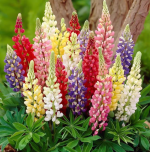
Lupin, scientifically known as Lupinus, is an annual or perennial herbaceous plant belonging to the Fabaceae family. Native to the Mediterranean region, western North America, and parts of South America, it is widely cultivated for its symbolic meaning of “motherly love and dedication.” With tall, slender flower spikes and vibrant, diverse colors, lupins boast high ornamental value and ecological benefits. They are commonly used in garden borders, flower beds, and cut flower arrangements. Additionally, their root systems can fix nitrogen, improving soil fertility.


Key Characteristics
- Height: 30-90cm (12-36 inches)
- Stem: Erect, branched, covered with white downy hairs
- Leaves: Palmately compound, 5-15 leaflets, lanceolate or oblanceolate
- Flowers: Terminal racemes, 10-30cm long, dense pea-like flowers; colors include blue, purple, pink, red, white, yellow, and bicolor
- Blooming Period: May-July
- Fruits: Long cylindrical pods, brown when mature, containing hard, flat seeds (black, white, or brown)
Growing Habits
- Temperature: Prefers cool climates, hardy to -5°C (23°F); optimal growth at 15-25°C (59-77°F); intolerant of heat above 30°C (86°F)
- Light: Requires 6-8 hours of direct sunlight daily; partial shade needed in hot summers
- Soil: Well-drained, slightly acidic to neutral (pH 5.5-7.0); avoids heavy, waterlogged soil
- Moisture: Moderately drought-tolerant; keep soil “slightly dry between waterings”
- Soil Improvement: Rhizobia in roots fix atmospheric nitrogen, enhancing soil fertility
Planting & Propagation
Lupins are mainly propagated by seeds, which is the most suitable method for home gardening. Seed propagation is simple and cost-effective, with high survival rates when proper seed treatment is applied.
Seed Sowing Instructions
-
1
Sowing Time
Best time: Autumn (September-October) when temperatures are 15-20°C (59-68°F). Seedlings will undergo vernalization in winter low temperatures and bloom concentratedly in May-June next year.
Spring sowing: March-April (temperatures above 12°C / 54°F), but need heat protection in summer; flowering will be delayed until July-August with fewer blooms. -
2
Seed Treatment
Lupin seeds have hard seed coats, so pre-treatment is required to improve germination rate:
– Warm water soaking: Soak seeds in 40°C (104°F) warm water for 12-24 hours, changing water 1-2 times; drain after seeds swell.
– Mechanical scarification (optional): Gently sand the seed coat with sandpaper (avoid damaging the embryo) or make a small cut on the seed tip to accelerate water absorption. -
3
Soil Preparation
Mix leaf mold, garden soil, and river sand (or perlite) in a ratio of 3:2:1. Add a small amount of decomposed organic fertilizer as base fertilizer, stir well, and fill into seedling pots or trays.
-
4
Sowing Method
Spread treated seeds evenly on the soil surface, cover with a 1-2cm (0.4-0.8 inch) thin layer of fine soil, and press gently. Water thoroughly with a spray bottle to keep soil moist without washing away seeds.
-
5
Germination & Transplanting
Place seedling pots in a well-ventilated, sunny area at 18-22°C (64-72°F); germination occurs in 7-14 days.
– Thinning: When seedlings have 2-3 true leaves, thin to 5-8cm (2-3 inches) apart.
– Transplanting: When seedlings reach 4-6 true leaves (10-15cm / 4-6 inches tall), transplant to pots (20-30cm / 8-12 inches diameter) or garden beds with 30-40cm (12-16 inches) spacing. Keep roots intact during transplanting.
Daily Care
Watering & Fertilizing
- Watering: Follow “slightly dry between waterings” principle; water thoroughly when topsoil is dry, avoid waterlogging.
- Blooming period: Increase water appropriately to keep soil moist for flower spike development.
- Summer: Reduce watering frequency, water in morning/evening to avoid root damage from midday heat.
- Winter: Keep soil slightly dry to enhance cold resistance.
- Fertilizing: Apply diluted balanced fertilizer (10-10-10) once a month after germination; add phosphorus-potassium fertilizer 2-3 weeks before flowering (1:1500 dilution) for 2-3 times.
Pruning & Maintenance
- Pinching: Pinch off top buds when seedlings are 15cm (6 inches) tall to promote branching and more flowering stems.
- Deadheading: Cut off spent flower spikes promptly after blooming to save nutrients; retain pods if collecting seeds.
- Perennial varieties: Trim yellow foliage in autumn to encourage new growth next year.
- Staking: Tall varieties may need staking to support flower spikes and prevent lodging.
Pest & Disease Control
- Diseases: Powdery mildew, root rot. Improve ventilation, avoid overwatering; spray carbendazim (1:800) for powdery mildew.
- Pests: Aphids, caterpillars, pod borers. Control aphids with imidacloprid (1:1000); handpick caterpillars or use chlorantraniliprole (1:2000).
- Soil disinfection: Rotate planting locations yearly to prevent soil-borne diseases.
Seasonal Care Tips
- Spring: Increase sunlight exposure, resume regular fertilizing as growth accelerates.
- Summer: Provide partial shade, enhance ventilation, and reduce nitrogen fertilizer to avoid leggy growth.
- Autumn: Stop fertilizing, reduce watering; collect seeds when pods turn yellow.
- Winter: Protect annual varieties from frost; mulch perennial varieties with straw for cold protection.
Uses & Important Notes
Main Uses
- Ornamental: Ideal for garden borders, flower beds,花海, potted plants, and cut flowers.
- Soil Improvement: Nitrogen-fixing ability makes it a good cover crop or companion plant for vegetables.
- Edible: Some varieties’ seeds are edible after cooking (remove toxins); used for oil extraction.
- Green Manure: Entire plant can be ploughed into soil as organic fertilizer to enrich soil.
Important Notes
- Heat Sensitivity: Provide shade and ventilation in summer to prevent wilting.
- Drainage: Ensure good soil drainage; add gravel at the bottom of pots for potted plants.
- Toxicity: Seeds and stems of some varieties contain trace toxins—keep away from children and pets.
- Perennial Propagation: Divide perennial lupins in spring (March-April) or autumn (September-October), retaining roots and rhizobia.
- Seed Collection: Harvest pods when yellow and seeds harden; pods split when mature, so collect promptly.
Lupins thrive in cool, sunny environments with well-drained soil. Avoid over-fertilizing with nitrogen, as their nitrogen-fixing roots already provide sufficient nutrients. For continuous blooms, deadhead regularly and ensure adequate water during the flowering period. They are low-maintenance plants, perfect for both beginner and experienced gardeners, adding vibrant color and ecological value to any garden!






レビュー
まだレビューはない。.