





Napa Cabbage (大白菜): The Versatile Chinese Cabbage with Crisp Texture
The Unique Qualities of Napa Cabbage – A Culinary Staple
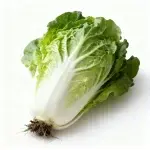
Napa Cabbage (Brassica rapa subsp. pekinensis), also known as Chinese cabbage or “da baicai” (大白菜), is a leafy cruciferous vegetable celebrated for its crisp, mild-flavored leaves and dense, cylindrical shape. Originating from China, this cool-season crop features tightly packed, pale green leaves with thick white ribs that offer a satisfying crunch and delicate, slightly sweet flavor. Unlike regular cabbage, Napa cabbage has a milder taste and softer texture, making it a versatile ingredient in both raw and cooked preparations.
Characterized by its rapid growth and high yield potential, Napa cabbage forms compact heads 30-45cm tall with crisp, juicy leaves that hold up well in cooking. The tender leaves are perfect for stir-fries, soups, kimchi, and salads, while the thick ribs provide structural integrity in braised dishes. Rich in vitamins C and K, calcium, and dietary fiber, Napa cabbage is not only delicious but also highly nutritious.
Core Advantages: Why Napa Cabbage Deserves a Place in Every Garden
- Rapid Growth: Reaches maturity in just 60-75 days, making it one of the fastest-growing cabbage varieties and ideal for successive plantings.
- Exceptional Versatility: Works beautifully in Asian and Western cuisines alike – perfect for kimchi, stir-fries, soups, salads, wraps, and fermented dishes.
- High Nutritional Value: Low in calories (only 16 calories per cup) but rich in vitamin C, vitamin K, folate, and antioxidants that support immune health.
- Cool-Weather Adaptability: Thrives in cool temperatures (15-20°C) and can tolerate light frosts, which actually enhance sweetness and flavor.
- Excellent Storage Quality: Stores for 1-2 months in cool conditions (0-5°C) and maintains crisp texture and flavor longer than many other leafy vegetables.
Suitable for Everyone: A Vegetable for All Palates
● Home Cooks: Adds crisp texture and mild flavor to everyday meals, from simple stir-fries to elaborate Asian dishes;
● Korean Cuisine Enthusiasts: Essential for authentic kimchi and other fermented specialties;
● Gardeners: Fast-growing, productive crop ideal for fall and winter gardens in most climates;
● Health-Conscious Eaters: Low-calorie, nutrient-dense vegetable with anti-inflammatory properties;
● Commercial Growers: High-yield crop with excellent market demand and storage potential.
Real User Feedback
“Napa cabbage is my go-to vegetable for year-round gardening. It grows quickly, produces abundantly, and stores beautifully. I use it in everything from stir-fries to homemade kimchi – it’s truly versatile!” — From urban gardener @HarvestToTable
“As a Korean cooking enthusiast, I’ve tried many Napa cabbage varieties, and the traditional Chinese types produce the best kimchi. The crisp texture holds up perfectly during fermentation, and the mild flavor develops beautifully.” — From home fermenter @KimchiMaster
Expert Growing Guide for Napa Cabbage
1. Pre-Planting Preparation: Creating Optimal Growing Conditions
1. Variety Selection
Choose Napa cabbage varieties suited to your growing season:
- Early Varieties (Green Rocket, Wong Bok): Mature in 55-60 days, ideal for spring planting
- Main Crop Varieties (Michihili, Napa King): Mature in 70-75 days, best for fall production
- Cold-Hardy Varieties (Red Napa, Winter Giant): Tolerate temperatures down to -5°C, suitable for overwintering in mild climates
2. Soil Preparation and Requirements
Prepare fertile, well-drained soil with pH 6.0-7.0 and high organic matter content. Incorporate 2000-2500kg of compost or well-rotted manure per mu, along with 30-40kg of balanced fertilizer (10-10-10). Napa cabbage requires consistent moisture and nutrient availability for optimal head formation.
3. Site Selection and Timing
Select a sunny location with at least 6 hours of direct sunlight daily. Napa cabbage thrives in cool weather and can be planted:
- Spring: 4-6 weeks before last frost date for early summer harvest
- Fall: 6-8 weeks before first frost date for late fall/winter harvest (preferred for best flavor)
- Winter: In mild climates (USDA zones 8-10), plant in late fall for winter harvest
2. Planting Techniques: Ensuring Successful Growth
1. Starting from Seeds or Transplants
For transplants: Start seeds indoors 4-6 weeks before planting date, sowing 0.5cm deep in seed trays. Maintain 20-25°C for germination (4-7 days). Harden off seedlings for 7-10 days before transplanting when they have 4-6 true leaves.
For direct seeding: Sow seeds 0.5-1cm deep, 3-4 seeds per spot, thin to 1 plant per spot when seedlings reach 5cm height.
2. Spacing and Planting Density
Space transplants 30-40cm apart in rows 45-60cm apart. For direct seeding, thin plants to same spacing. This allows sufficient room for head development while maximizing yield per unit area (approximately 30,000-40,000 plants per hectare).
3. Succession Planting
For continuous harvest, make successive plantings every 2-3 weeks during optimal growing periods. In fall, make final planting 8-10 weeks before first expected frost for maximum head development before cold weather.
3. Care and Maintenance: Nurturing Healthy Plants
1. Water Management
Maintain consistent soil moisture, providing 2-3cm of water per week. Napa cabbage requires even moisture for proper head formation – inconsistent watering can cause splitting or bitter flavor. Use drip irrigation or soaker hoses to water at the base, keeping foliage dry to prevent disease.
2. Fertilization Guidelines
● Apply nitrogen-rich fertilizer (21-0-0) at planting (15kg per mu)
● Side-dress with balanced fertilizer (10-10-10) when plants reach 15cm height (20kg per mu)
● Apply additional nitrogen (10kg per mu) when heads begin to form
● Avoid excessive nitrogen late in season, which can reduce storage quality
3. Weed Control and Mulching
Keep planting area weed-free, especially during early growth when Napa cabbage is most vulnerable to competition. Apply a 5cm layer of organic mulch (straw, grass clippings) to suppress weeds, retain moisture, and keep soil cool. Mulching also prevents soil splashing onto leaves, reducing disease incidence.
4. Temperature Management
Provide shade during hot weather (above 25°C) to prevent bolting (premature flowering). For fall crops, light frosts (0-5°C) improve flavor but protect from hard freezes (-5°C or below) with row covers or cold frames to extend harvest.
4. Pest and Disease Management: Protecting Your Crop
1. Common Pests and Control
● Cabbage Worms and Loopers: Use row covers, handpick, or apply Bacillus thuringiensis (Bt)
● Aphids: Spray with insecticidal soap or neem oil; introduce ladybugs as natural predators
● Flea Beetles: Use floating row covers during seedling stage; apply diatomaceous earth
● Root Maggots: Use collars around stems; practice crop rotation; avoid fresh manure
● Slugs and Snails: Use beer traps; apply diatomaceous earth barriers; handpick
2. Disease Prevention and Management
● Black Rot: Practice 3-year crop rotation; use disease-free seeds; remove infected plants
● Downy Mildew: Ensure good air circulation; avoid overhead watering; apply copper fungicides
● Clubroot: Maintain soil pH above 7.0; add lime; practice long crop rotation
● Fusarium Yellows: Choose resistant varieties; solarize soil before planting
● Alternaria Leaf Spot: Remove infected leaves; apply fungicides preventively
3. Integrated Pest Management
Plant companion plants like mint, rosemary, sage, and thyme to repel pests. Intercrop with onions, garlic, or chives to deter cabbage worms. Encourage beneficial insects (lacewings, parasitic wasps) by planting flowering herbs nearby. Use row covers as a physical barrier during vulnerable growth stages.
5. Harvesting and Storage: Maximizing Quality and Shelf Life
1. Optimal Harvest Time
Harvest Napa cabbage when heads are firm and fully formed (30-45cm tall), typically 60-75 days after transplanting. For fall crops, harvest before hard freezes or leave in garden with protection for harvest as needed. Heads left in cool weather develop sweeter flavor.
2. Harvesting Technique
Use a sharp knife to cut heads at the base, leaving 2-3 outer leaves intact to protect the head during storage. For baby Napa cabbage, harvest when heads are 15-20cm tall (30-40 days after transplanting) for tender, mild-flavored greens.
3. Storage and Preservation Methods
● Short-term Storage: Refrigerate in plastic bags for 2-3 weeks
● Long-term Storage: Store in root cellar at 0-5°C with 90-95% humidity for 1-2 months
● Fermentation: Make traditional kimchi or sauerkraut for long-term preservation
● Freezing: Blanch for 2 minutes, cool rapidly, drain, and freeze for up to 8 months
● Pickling: Create spicy pickled Napa cabbage for use in Asian dishes
Tip: For the sweetest Napa cabbage, harvest after a light frost (0-5°C) – the cold converts starches to sugars, enhancing flavor. When growing for kimchi, choose firm-headed varieties and harvest before heads become overmature for optimal texture during fermentation. The outer leaves make excellent additions to soups and stocks!






レビュー
まだレビューはない。.