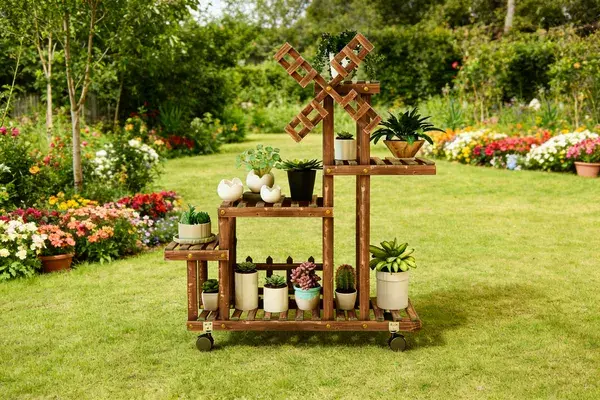
Seed vs Seedling: Which Should Beginners Choose? Pros & Cons + Scenario Guide
New gardeners often face a dilemma: start with tiny seeds or buy mature seedlings with soil and leaves? Neither is absolutely “better”—the key is matching your time, budget, patience, and needs. This guide breaks down the differences from pros/cons, core comparisons, and scenario适配 to help you quickly find the best entry method.
🌳 Core Comparison: Seed vs Seedling (Key Differences at a Glance)
First, use the table below to clearly see the differences in 6 key dimensions that matter most to beginners:
| Comparison Dimension | Seedlings/Mature Plants | Seeds |
|---|---|---|
| Initial Cost | Higher ($2-$15 per plant, rare varieties more expensive) | Extremely low ($0.5-$5 per pack, grows 10-50 plants) |
| Growth Cycle | Short (seedlings bloom/fruit in 1-2 months; mature plants ready to enjoy) | Long (3-7 days germination + 1-2 months seedling stage + growth period; total 2-6 months) |
| Difficulty Level | Low (only need basic watering/potting skills, avoid root rot) | High (need to control germination temperature, humidity, light) |
| Survival Rate | High (80%+ for healthy seedlings, nearly 100% for mature plants) | Variable (beginners may have germination rate below 50%, easy seedling death) |
| Experience | Instant gratification (quickly see green leaves/flowers, fast sense of achievement) | Deep engagement (witness full growth from seed to plant, strong emotional connection) |
| Variety Selection | Limited (florists/shops mostly carry popular varieties, rare ones hard to find) | Extensive (thousands of vegetable, flower, herb varieties available) |
🔍 In-Depth Pros & Cons: Beyond Surface Differences
1. Seedlings: Beginners’ “Safety Choice” with Hidden Traps
Core Advantages: Lower Entry Barrier, Quick Confidence
- Skip the “Seedling Survival Gauntlet”: Germination failure, leggy growth, and damping-off disease are three major pitfalls for beginners. Seedlings bypass this stage—equivalent to “starting on others’ success.” For example, buying a 10cm cherry radish seedling saves 20 days compared to growing from seed.
- Instant Feedback, Less Frustration: A newly bought mint seedling with a strong aroma or a petunia pot full of buds provides “immediate results” that greatly stimulate gardening enthusiasm, avoiding giving up due to “no visible changes for a long time.”
- Clear Care Goals: Seedlings have clearer care needs—e.g., pothos only needs “water when soil is dry,” succulents need “little water and more sun.” Beginners don’t have to worry about details like “what temperature for germination” or “whether seedlings need shade.”
Hidden Disadvantages: High Cost + Potential Risks
- Hidden Costs Add Up: The cost of 10 cherry radish seedlings can buy 10 seed packs (enough for 100+ plants). Moreover, seedlings often come with cheap pots and poor-quality soil—you must repot them at home, adding extra expenses.
- Risk of “Hormone-Treated Seedlings”: Some florists use growth hormones to make plants look lush. After purchase, they may “fake survival”—green leaves for the first two weeks, then sudden yellowing and wilting. Beginners can hardly judge the cause.
- Hard-to-Detect Root Problems: Potted seedlings may have waterlogged or rotten roots (caused by poor soil ventilation), but the foliage looks healthy. Beginners often “take the blame” for killing them.
2. Seeds: The “Complete Gardening Experience” That Tests Patience
Core Advantages: Low Cost + Deep Experience, Doubled Achievement
- King of Cost-Effectiveness: A $0.5 pack of mung bean seeds can grow hundreds of microgreens; a $2 pack of dwarf sunflower seeds can fill an entire balcony—perfect for budget-conscious beginners to “experiment.”
- Master Full Growing Logic: From germination, sowing, thinning to transplanting, every step builds experience—e.g., learning that “lettuce seeds need dark germination” and “cilantro seeds need scarification.” This knowledge becomes the foundation for future gardening progress.
- Variety Freedom: Seed stores offer niche varieties like “purple leaf lettuce,” “Roman chamomile,” and “cypress vine”—hard to find in florists—ideal for beginners who love unique plants.
Core Disadvantages: Long Cycle + Low Fault Tolerance
- High Time Cost: Dwarf sunflowers take 3 months from seed to bloom, cosmos take 2 months—easy for beginners wanting quick results to lose patience midway.
- One Mistake Ruins Everything: Too much water during germination causes rot, insufficient light leads to leggy growth, early fertilization burns seedlings—any mistake can negate previous efforts.
- High Environmental Requirements: Seeds struggle to germinate in unheated rooms in winter; seedlings become weak with insufficient balcony light—objective conditions increase failure risk.
📍 Scenario Recommendations: 3 Types of Beginners, 3 Choices
1. Choose Seedlings If You’re In These 3 Scenarios
Scenario 1: Pursue “Quick Results” (e.g., Decorate Balcony/Desk)
If you buy plants to add greenery to your room immediately or show off “gardening achievements” to friends, prioritize seedlings. Recommended Varieties: Pothos (easy to grow, shade-tolerant), Succulents (cute and compact), Mint (fragrant)—these have extremely high survival rates and only need watering to thrive.
Scenario 2: Time-Poor (Only 10 Minutes per Day to Care)
Office workers, parents, or people with fragmented time don’t have time to monitor seed germination and seedling care—seedlings are better. Water once a day and check leaf condition once a week. Recommended Varieties: Snake Plant (drought-tolerant), Ivy (shade-tolerant), Kalanchoe (long blooming period, low maintenance).
Scenario 3: Weak Gardening Confidence (Fear Failure)
If it’s your first time gardening and you’re worried about “failing to germinate seeds” and losing interest, start with seedlings. Build confidence through “keeping them alive” before trying seeds. Recommended Varieties: Spider Plant (grows in water), Peperomia (thick leaves, resilient).
2. Choose Seeds If You’re In These 3 Scenarios
Scenario 1: Enjoy Hands-On Work (Want Complete Growing Experience)
If you enjoy the “from scratch” creative process and don’t mind waiting, seeds will provide stronger emotional feedback. Recommended Beginner Varieties: Mung bean microgreens (soil-free, germinates in 3 days), Lettuce (fast-growing, harvestable in 40 days), Dwarf Sunflower (95%+ germination rate, high achievement)—these are the “fail-proof” seeds recommended earlier.
Scenario 2: Budget-Limited (Want Large-Scale Planting e.g., Vegetable Garden)
If you want to grow a balcony vegetable garden for personal harvesting, seeds’ cost-effectiveness shines—a $5 vegetable seed mix (lettuce, pak choi, cherry radish) can feed a family, while seedlings would cost over $50.
Scenario 3: Stable Environment (Adequate Light/Temperature) + Willing to Learn
If your balcony has sufficient light or a temperature-controlled windowsill, and you’re willing to spend 10 minutes reading “seed germination guides,” try seeds. Start with “lazy seeds”: cherry radish (sow directly without germination) or hydroponic mung beans (simple operation, no threshold).
3. Compromise Option: “Seedling + Seed” Combo
If you want both instant achievement and seed-growing experience, mix them: buy 1 seedling (e.g., mint) for daily care, and sow 1 easy-to-grow seed (e.g., lettuce) at the same time. You’ll get immediate greenery while accumulating experience waiting for seeds to germinate—win-win!
⚠️ Beginner’s Additional Tips: Choose the Right “Entry-Level” Option for Double Success
- Seedling Shopping Tips: Check roots first—gently lift the plant. If white roots grow from the bottom (healthy roots), it’s a good sign. Avoid plants with yellow leaves or smelly soil (likely waterlogged roots). Don’t fertilize immediately after purchase; acclimatize for 1 week (place in scattered light, water sparingly) before repotting.
- Seed Shopping Tips: Prioritize “large-seed, high-germination” varieties (e.g., sunflower, pumpkin, pea) which are easier to handle than tiny seeds (e.g., celery, cilantro). Buy formally packaged seeds, not loose “three-no” seeds, to avoid low germination rates.
Finally, gardening is about joy—not “having to start from seeds.” Whether seedlings or seeds, if they let you feel the beauty of plant growth, it’s the right choice. First keep one plant alive, then thrive with a second—slowly you’ll find your own gardening rhythm!
Seed vs Seedling: Which Should Beginners Choose? Pros & Cons + Scenario Guide
Recent Comments