I.工場の概要
Insert lavender field/image here (Recommended size: 100% width, 220px height)
| 項目 |
詳細 |
| 学名 |
Lavandula angustifolia Mill. |
| Family & Genus |
Lamiaceae (Mint Family), Lavandula |
| 一般名 |
English Lavender, True Lavender, Garden Lavender |
| 起源 |
Mediterranean coast, Europe, and Oceanic islands |
| 成長サイクル |
Perennial evergreen shrub/subshrub |
| 開花時期 |
June-August; individual flowers bloom for 7-10 days, whole plant flowering period lasts 40-60 days |
| 適切なシナリオ |
Balcony pots, garden borders, aromatic gardens, cut flowers, essential oil extraction |
Lavender is renowned for its distinctive purple flower spikes and rich, soothing aroma. It features a compact and elegant plant shape, with spike-like or racemose inflorescences in shades of blue-purple and pale purple, exuding both freshness and mystery. The entire plant contains aromatic essential oils with calming, air-purifying properties. Highly adaptable, it is ideal for garden clumping, balcony potting, and flower border arrangements, also serving as a premium raw material for cut flowers and aromatic products—combining ornamental and practical value perfectly.
II.形態学的特徴
Lavender typically grows 30-60 cm tall (dwarf varieties: 20-30 cm), forming a clumping, dense growth habit with an elegant and neat overall shape:
- ステム: Slender and tough, quadrangular in shape, covered with short downy hairs. Older stems are highly lignified, brownish-gray or off-white; new shoots are tender green or pale purple with strong branching ability.
- 葉: Opposite, linear or lanceolate with rolled margins, smooth or slightly downy surface, grayish-green or silvery-green in color, 2-6 cm long. Possesses strong drought resistance and water retention capacity.
- Flower Spikes: Terminal or axillary, spike-like inflorescences composed of numerous small labiate flowers densely arranged, 5-15 cm long. Flower colors include deep purple, pale purple, blue-purple, pink-purple, and some white varieties. Calyx is bell-shaped, corolla bilabiate, and anthers are elliptical.
- フルーツ: Small nutlets, elliptical, dark brown when mature, hard seed coat containing tiny seeds. Seed germination rate lasts 2-3 years, with a thousand-seed weight of approximately 0.8-1.2 grams.
III.成長習慣
Lavender is a typical sun-loving, drought-tolerant, cold-resistant, and waterlogging-intolerant plant, preferring dry and cool climatic conditions. Specific growth habits are as follows:
- 温度: Optimal growth temperature is 15-25℃; seed germination requires 15-20℃ (best at 18-20℃). Highly cold-resistant—most varieties tolerate temperatures below -15℃, and some hardy varieties can withstand -20℃. Moderate heat resistance; provide shade when temperatures exceed 35℃ in summer to prevent leaf yellowing.
- ライト: Absolutely sun-loving, requiring 6-8 hours of direct sunlight daily. Sufficient light promotes more branches, plump flower spikes, and rich aroma; insufficient light causes leggy growth, fewer flowers, weak aroma, and increased pest/disease risk.
- 土壌: Demanding on soil—prefers loose, well-drained, calcium-rich slightly alkaline soil (pH 7.0-8.0), ideally sandy loam or gravelly loam. Tolerates poor soil but intolerant of heavy, waterlogged soil. Compacted or waterlogged soil easily leads to root rot and death.
- 水: Highly drought-tolerant, intolerant of waterlogging. Keep soil slightly moist during seedling stage to promote root development; strictly control water for mature plants, following the principle of "water only when dry, and water thoroughly when watering." Soil should be kept slightly dry for optimal growth. Ideal air humidity is 40%-60%; high humidity easily triggers diseases.
- 特別な特徴: Moderate growth rate—takes 1-2 years from sowing to flowering; well-developed root system with taproot reaching 50-80 cm deep and lateral roots spreading horizontally, strong soil-fixing capacity; entire plant contains aromatic oils that repel aphids, spider mites, and other pests, resulting in few pests and diseases.
IV.コア・バリュー
1. Ornamental Value: Purple Romance, Landscape Focus
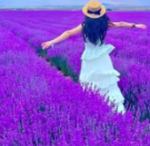
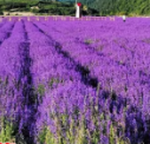
Lavender's neat and elegant purple flower spikes create a stunning "purple sea" when planted in large areas. Potted plants feature a compact shape with dotted flower spikes, exuding freshness and refinement. Whether planted in garden clumps, flower bed edgings, balcony pots, or flower border combinations, it creates a romantic and fresh atmosphere—an excellent choice for garden landscapes and home decoration.
2. Aromatic & Practical Value: Natural Fragrance, Multi-Purpose Plant
The entire lavender plant emits a delicate aroma; its essential oil has calming, stress-relieving, and sleep-improving effects, used in making aromatherapy products, perfumes, soaps, candles, and other daily chemicals. Flower spikes can be dried directly for flower arrangements and sachet filling, retaining their fragrance for a long time. Fresh leaves can be used for making tea and cooking seasoning, adding a unique flavor with both edible and health benefits.
3. Ecological Value: Pest Repellent, Air Purification
Lavender's aromatic scent repels harmful organisms such as aphids and mosquitoes—planting it in gardens or balconies can reduce pest infestations. Its leaves and flower spikes absorb dust and harmful gases from the air, purifying the environment. With a well-developed root system, it prevents soil erosion, making it suitable for slope greening and ecological restoration with ecological protection functions.
V.科学的栽培ガイド
Insert lavender cultivation scene image here (Recommended size: 100% width, 220px height)
1. Planting Time Selection: Grasp Climate, Timely Transplanting
Lavender prefers cool and dry growing environments; planting should avoid high-temperature, high-humidity, and severe cold seasons, with spring and autumn being optimal:
- 春の植え付け: Southern regions (Yangtze River Basin and south) can transplant in March-April; northern regions (Yellow River Basin and north) in April-May. Stable temperature rise and sufficient light during this period facilitate seedling acclimation and root growth.
- 秋の植え付け: Southern regions can transplant in September-October; northern regions should complete transplanting in August-September to allow sufficient time for plants to develop robust roots before winter, improving cold resistance and avoiding frost damage from late planting.
- 苗の栽培: For seed propagation, start seedlings indoors in February-March (temperature controlled at 18-20℃), transplant when seedlings have 4-6 true leaves in April-May. Seed-grown plants take about 1 year to flower.
2. Soil Preparation: Loose & Breathable, Adjust pH
Lavender has strict soil requirements; good soil conditions are crucial for successful cultivation:
- 土壌比率: Recommended formula: 3 parts garden soil + 3 parts river sand + 2 parts leaf mold + 1 part perlite + 1 part decomposed sheep manure. Mix well and expose to sun for 5-7 days to disinfect, killing insect eggs and pathogens.
- pH Adjustment: For acidic soil, add appropriate wood ash or quicklime to adjust pH to 7.0-8.0; for heavy clay soil, increase the proportion of river sand and perlite to improve drainage and breathability.
- 基肥の施用: Mix a small amount of decomposed sheep manure, chicken manure, or special flower organic fertilizer (10-15 kg per mu) into the soil before planting. Ensure full mixing of base fertilizer with soil to avoid direct contact with roots, preventing seedling burning.
3. Planting Methods: Division as Main, Sowing as Supplement
Lavender propagation mainly includes division, cuttings, and sowing. Division and cuttings have high survival rates, suitable for home cultivation; sowing has a longer growth cycle:
- ディビジョンの伝播: Optimal time is March-April (spring) or September-October (autumn). Select healthy, pest-free mother plants, dig up and gently separate clumping branches. Each cluster should retain 3-5 branches and a complete root system. Trim rotten roots and overlong branches, dip in a small amount of rooting powder, transplant, and water thoroughly.
- カッティング伝播: Conduct in April-May (spring) or August-September (autumn). Select healthy semi-lignified current-year branches, cut into 8-10 cm cuttings, remove lower leaves, retain 2-3 top leaflets. Soak the lower part of cuttings in rooting solution for 10-15 minutes, insert into cutting medium mixed with river sand and perlite (depth 1/3-1/2 of cuttings). Keep medium moist, temperature controlled at 20-25℃, roots will form in 20-30 days.
- 播種: Soak seeds in 40℃ warm water for 6-8 hours before sowing, dry and evenly spread on seedling medium, cover with a thin layer of soil (about 0.5 cm thick). Keep medium moist, temperature at 18-20℃, seedlings emerge in 15-20 days. Thin seedlings when they have 2-3 true leaves, transplant when 4-6 true leaves form, planting 1 seedling per pot or hole.
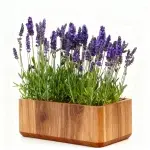
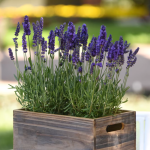
- 鉢植えノート: Choose flower pots with diameter 25-30 cm and drainage holes at the bottom. Lay a layer of ceramsite or gravel at the bottom to enhance drainage, plant 1 seedling per pot to avoid poor ventilation due to overcrowding.
4. Seedling Stage Management: Acclimation & Root Promotion, Fertilizer & Water Control
The seedling stage (1-2 months after transplanting) is crucial for plants to adapt to the environment and develop robust root systems:
- 馴化管理: After transplanting, place plants in a cool, well-ventilated area for 3-5 days to acclimate, avoiding direct sunlight. Gradually increase light until full sun is accepted after leaves regain turgidity.
- 水のコントロール: Keep soil slightly moist during seedling stage, but strictly prohibit waterlogging. Water in the morning using a spray bottle or watering along the pot edge, avoiding wetting leaves and flower spikes.
- 肥料管理: No fertilization needed during seedling stage. After acclimation (1 month after transplanting), apply a dilute NPK compound fertilizer (1000x concentration) to promote foliage growth, avoiding excessive nitrogen fertilizer which causes leggy growth.
- Weeding & Loosening Soil: Regularly remove weeds in pots or planting areas to avoid nutrient competition; loosen soil 1-2 times a month to promote root respiration and prevent soil compaction.
5. Growth Period Management: Appropriate Water & Fertilizer, Pruning for Flower Promotion
From acclimation to budding stage (about 3-4 months), lavender grows rapidly and requires enhanced water, fertilizer, and pruning management:
| 管理項目 |
具体的な方法 |
| 水やり |
Strictly control water for mature plants, follow "water only when dry, water thoroughly when watering." Water only when soil surface is dry and white, ensuring water flows out from the bottom of the pot each time. Loosen soil promptly after watering to avoid waterlogging.适当 increase watering frequency in hot summer but still control volume; reduce watering in winter to keep soil slightly dry for frost protection. |
| 受精 |
Topdress 2-3 times during growth period: apply NPK compound fertilizer (8-10 kg per mu) before budding to promote flower spike development; spray 0.2% potassium dihydrogen phosphate solution during flowering to extend flowering period and enhance aroma; apply decomposed organic fertilizer in autumn to improve cold resistance. Avoid excessive nitrogen fertilizer to prevent foliage overgrowth and reduced flowering. |
| 剪定 |
After spring sprouting, cut off withered winter branches and diseased/weak branches to promote new growth; promptly cut off spent flowers and 1-2 pairs of leaves below flowers after flowering to encourage secondary blooming; perform heavy pruning in autumn, controlling plant height at 20-30 cm to maintain compact shape and facilitate overwintering. |
| 温度管理 |
When summer temperature exceeds 35℃, set up shade sheds or move to cool, well-ventilated areas to avoid leaf scorching; when winter temperature is below -15℃, insulate potted plants with thermal bags or move to sunny indoor locations; mound 5-10 cm of soil around the roots of field-grown plants for frost protection. |
6. Flowering & Post-Flowering Management: Protect Flowers & Enhance Aroma, Promote Recovery
- ライトマネジメント: Ensure sufficient direct sunlight (6-8 hours daily) during flowering period. Sufficient light results in plump flower spikes, bright colors, and rich aroma; provide supplementary light if light is insufficient.
- 水のコントロール: Keep soil slightly moist during flowering period to avoid flower spike wilting due to drought, while preventing root rot from waterlogging. Water in the morning or evening.
- 補助受粉: Lavender is a cross-pollinating plant; outdoor planting relies on natural pollination by bees and other insects. For closed home environments, gently shake flower spikes to assist pollination and improve seed setting rate.
- Post-Flowering Recovery: Promptly cut off spent flowers and branches below after blooming to reduce nutrient consumption; apply a dilute phosphorus-potassium fertilizer to promote plant recovery and reserve nutrients for secondary blooming or overwintering; promptly remove diseased and withered leaves to maintain ventilation and light penetration.
7. Pest & Disease Control: Prevention First, Ecological Control
Due to aromatic essential oils in the entire plant, lavender has few pests and diseases. Common issues and control methods:
(1) 病気根腐れ病, 葉斑病, うどんこ病
- 予防: Water reasonably to avoid soil waterlogging; maintain ventilation and light penetration, avoid overcrowding; regularly remove fallen leaves.
- コントロール: At early disease stage, spray 800x dilution of carbendazim or 1000x dilution of thiophanate-methyl, once every 7-10 days for 2-3 consecutive times. For root rot, promptly dig up plants, cut off rotten roots, disinfect, and replant.
(2) Pests: Aphids, Spider Mites, Thrips
- Aphids & Thrips: Spray 1500x dilution of imidacloprid solution.
- ハダニ: Spray 1000x dilution of abamectin, focusing on the undersides of leaves.
- エコロジー・コントロール: Utilize lavender's aromatic properties by interplanting with pest-repellent plants such as mint and rosemary for ecological control.
8. Harvesting & Utilization
- 収穫期: Ornamental flowers—harvest when flower spikes are fully open and colors are brightest; for essential oil extraction or dried flower production, harvest when flower spikes are 70%-80% open (semi-open state), when essential oil content is highest and aroma is strongest.
- 収穫方法: Cut flower spikes 2-3 cm below the base with scissors. Harvest on sunny mornings after dew has dried, avoiding rainy days to prevent mold.
- Processing & Utilization: Harvested flower spikes can be directly used for fresh flower arrangements with a vase life of 5-7 days; for dried flowers, hang flower spikes upside down in a cool, well-ventilated area to dry, then use for sachets and bouquets; essential oil extraction requires distillation, while home growers can make simple aromatherapy through pressing or soaking.
- 種子保存: Select healthy plants with plump flower spikes for seed saving. Harvest when fruits are mature (dark brown), rub to collect seeds, remove impurities and shrunken seeds, store in sealed containers in a dry, cool, and well-ventilated place to avoid moisture and pests.
プロのアドバイス: Common lavender varieties include Lavandula angustifolia (English lavender), Lavandula latifolia (spike lavender), and Lavandula dentata (French lavender). Among them, Lavandula angustifolia has the strongest aroma and adaptability, suitable for home cultivation; Lavandula latifolia features brighter flowers with higher ornamental value. Avoid continuous cropping—repot potted plants every 2-3 years and transplant field-grown plants every 3-4 years. Lavender's aroma is slightly irritating to pets (e.g., cats); avoid planting in areas accessible to pets if you have them at home.
 English
  German
 Spanish
 Japanese








レビュー
まだレビューはない。.