





Golden Groundcherry: A Sweet and Tangy Delicacy with Unique Charm
The Unique Allure of Golden Groundcherry – A Burst of Sweetness with a Tangy Twist
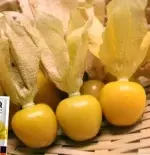
Golden groundcherry, also known as Physalis peruviana or Cape gooseberry, is a small, round fruit wrapped in a delicate papery husk that resembles a tiny Chinese lantern. Native to South America, this exotic fruit has gained global popularity for its unique flavor profile and striking appearance. When the papery husk is peeled back, a vibrant golden-orange berry is revealed, glistening with juiciness and promise.
Bite into a ripe golden groundcherry, and you’ll experience a delightful explosion of flavors – a perfect balance of sweet and tart with subtle tropical notes reminiscent of pineapple, mango, and citrus. The texture is smooth and slightly granular, with a satisfying pop that releases the refreshing juice. Rich in vitamin C, antioxidants, and dietary fiber, it’s not only a delicious treat but also a nutritious addition to your diet.
Core Advantages: More Than Just a Pretty Fruit
- Exceptional Nutritional Value: Packed with vitamin C (2x that of oranges), vitamin A, and B-complex vitamins. It also contains significant amounts of iron, potassium, and phosphorus, supporting immune function and overall health.
- Powerful Antioxidant Properties: Rich in polyphenols and withanolides that help combat oxidative stress and inflammation, potentially reducing the risk of chronic diseases.
- Versatile Culinary Uses: Enjoy fresh as a snack, add to fruit salads, use in desserts like pies and tarts, blend into smoothies, or even make jams and preserves. It also pairs beautifully with savory dishes like salads and grilled meats.
- Ornamental Value: The papery husks make it a stunning decorative element for culinary presentations or floral arrangements, adding a touch of whimsy to any setting.
- Long Shelf Life: When stored properly in their husks, groundcherries can last for weeks at room temperature, making them a convenient and long-lasting fruit option.
Suitable Crowd: A Fruit for Everyone to Enjoy
● Health-Conscious Individuals: With its impressive nutrient profile, it’s ideal for those seeking natural ways to boost their health;
● Culinary Enthusiasts: Chefs and home cooks alike appreciate its unique flavor and visual appeal for creative dishes;
● Children: The fun “lantern” packaging and sweet-tart flavor make it a hit with kids, encouraging healthy snacking;
● Gardeners: It’s a rewarding plant to grow, offering both ornamental beauty and edible fruit;
● Special Diet Followers: Gluten-free, low in calories, and suitable for vegan, paleo, and keto diets when consumed in moderation.
Real User Feedback
“These little golden berries are addictive! I love popping them into my mouth as a snack – the sweet-tart flavor is absolutely perfect. My kids call them ‘Chinese lantern fruits’ and fight over who gets the next one!” — From health-conscious mom @FreshEats
“As a chef, I use groundcherries in both sweet and savory dishes. They add a beautiful color and unique flavor to salads, and make amazing jam. My customers are always impressed by this exotic fruit!” — From restaurant owner @GourmetChefLisa
Scientific Planting Method of Golden Groundcherry: From Seed to Harvest
1. Pre-Planting Preparation: Lay the Foundation for Success
1. Seed Selection and Treatment
Choose high-quality golden groundcherry seeds from reputable suppliers, ensuring a germination rate of ≥85%. Start seeds indoors 6-8 weeks before the last frost date. Soak seeds in room temperature water for 24 hours to soften the seed coat and improve germination. Sow seeds in seed trays filled with sterile potting mix, covering them with 0.5cm of soil.
2. Soil Preparation and Selection
Golden groundcherry thrives in well-drained, fertile soil with a pH of 6.0-7.0. Select a sunny location with at least 6-8 hours of direct sunlight daily. Prepare the soil by incorporating 2000-2500kg of well-rotted compost or manure per mu, along with 30-40kg of balanced fertilizer (10-10-10). The soil should be loose and crumbly to allow for good root development.
3. Site Preparation
Clear the planting area of weeds and debris. Create raised beds if drainage is a concern, as groundcherries dislike waterlogged soil. Space beds 60-80cm apart to allow for good air circulation and easy access for maintenance.
2. Planting Techniques: Optimal Growth Conditions
1. Transplanting Time
Transplant seedlings outdoors when all danger of frost has passed and soil temperature reaches 15°C or higher (typically 2-3 weeks after last frost). Harden off seedlings by gradually exposing them to outdoor conditions over 7-10 days before transplanting.
2. Planting Method
Space plants 45-60cm apart in rows 75-90cm apart. Dig holes slightly larger than the root ball, place seedlings at the same depth they were growing in containers, and backfill with soil. Water thoroughly after planting to settle the soil around the roots.
3. Support Systems
Groundcherry plants can grow 60-90cm tall and may benefit from staking or support cages, especially in windy areas or when plants become heavy with fruit. Install supports at planting time to avoid damaging roots later.
3. Field Management: Nurturing Healthy Growth
1. Water Management
Keep soil consistently moist but not waterlogged during the growing season. Provide 2-3cm of water per week, either through rainfall or irrigation. Water at the base of plants to avoid wetting foliage, which can lead to fungal diseases. Reduce watering as fruits begin to ripen to enhance flavor.
2. Fertilization Schedule
● Apply a balanced fertilizer (10-10-10) at planting time
● Side-dress with nitrogen-rich fertilizer (20-10-10) when plants are 30cm tall
● Apply a phosphorus-potassium fertilizer (5-10-10) when flowers appear to promote fruit development
● Avoid excessive nitrogen, which can lead to lush foliage but fewer fruits
3. Weed Control
Keep the planting area free of weeds, especially during the first 6-8 weeks when plants are establishing. Use mulch (straw, grass clippings, or plastic) to suppress weeds, retain soil moisture, and keep fruits clean as they fall to the ground.
4. Pruning and Training
Pinch back the growing tips when plants reach 30cm to encourage bushier growth. Remove any damaged or diseased branches throughout the growing season. For larger fruits, thin some flowers or young fruits to allow remaining ones to develop fully.
5. Pest and Disease Prevention
Monitor regularly for common pests like aphids, whiteflies, and tomato hornworms. Use row covers early in the season to protect young plants. Practice crop rotation to prevent soil-borne diseases and remove plant debris at the end of the season.
4. Pest and Disease Management: Organic Approaches
1. Common Diseases and Prevention
● Leaf Spot: Prevent with proper spacing and avoid overhead watering. Treat with copper fungicides if necessary
● Powdery Mildew: Improve air circulation and apply sulfur-based fungicides preventively
● Verticillium Wilt: Choose resistant varieties and practice crop rotation
● Root Rot: Ensure good drainage and avoid overwatering
2. Pest Control Methods
● Aphids and Whiteflies: Use insecticidal soap or neem oil sprays
● Tomato Hornworms: Handpick or use Bacillus thuringiensis (Bt)
● Slugs and Snails: Use beer traps or diatomaceous earth
● Birds: Protect ripening fruit with netting if birds are a problem
3. Integrated Pest Management
Encourage beneficial insects like ladybugs, lacewings, and parasitic wasps by planting companion plants such as marigolds, dill, and yarrow. Use physical barriers like row covers and practice good garden hygiene to minimize pest and disease issues.
5. Harvesting and Storage: Preserving Quality
1. Optimal Harvest Time
Golden groundcherries are ready for harvest 70-80 days after transplanting, when the papery husks turn from green to tan and begin to dry. The fruits inside should be golden-orange and slightly soft to the touch. Most fruits will fall to the ground when ripe, making them easy to collect.
2. Harvesting Technique
Collect fallen fruits daily to prevent spoilage, or pick fruits with dry husks directly from the plant. Handle gently to avoid bruising the delicate berries. Remove any damaged or moldy fruits during harvest to prevent spoilage of the entire batch.
3. Storage Methods
● Short-term: Store groundcherries in their husks at room temperature for up to 2 weeks
● Medium-term: Refrigerate in a perforated plastic bag for 4-6 weeks
● Long-term: Freeze berries (without husks) for up to 12 months
● Preservation: Make jams, jellies, or chutneys, or dehydrate for a sweet-tart snack
Tip: For continuous harvest throughout the season, stagger plantings by 2-3 weeks. Groundcherries continue to ripen after harvest, so you can pick slightly underripe fruits and allow them to finish ripening at room temperature. The plants are self-pollinating, so only one plant is needed for fruit production!




レビュー
まだレビューはない。.