


Red-Flowered Pole Bean (红花四季豆架豆): The Productive Climbing Bean with Ornamental Appeal
The Distinctive Qualities of Red-Flowered Pole Bean – A Garden Treasure
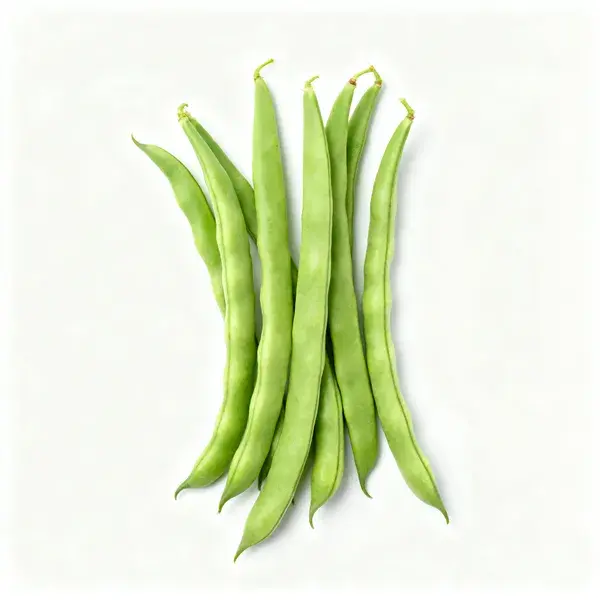
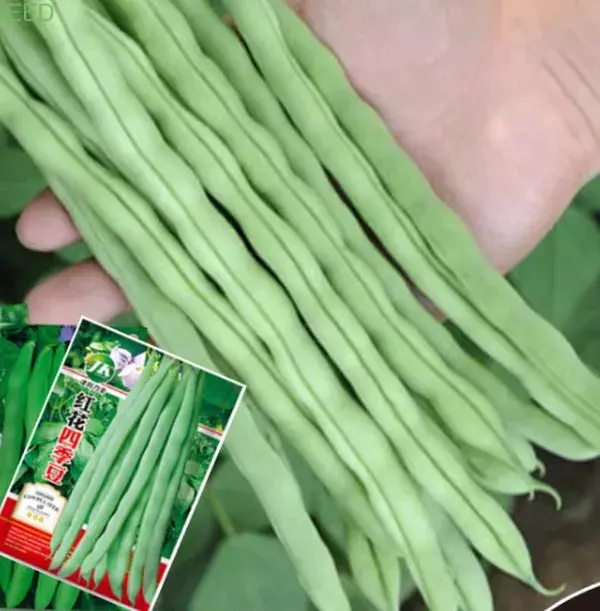
Red-Flowered Pole Bean (红花四季豆架豆), also known as Scarlet Runner Bean or Red-Flowered Yardlong Bean, is a dual-purpose legume prized for both its ornamental red blossoms and abundant edible pods. This vigorous climbing bean produces striking scarlet flowers that attract hummingbirds and pollinators, followed by tender, stringless pods 15-20cm long with excellent flavor and texture. Unlike common green beans, this heirloom variety offers extended harvest periods and superior productivity, making it both a beautiful and productive addition to any garden.
Characterized by its vigorous vines that reach 3-4 meters in height, these beans feature thick, meaty pods with a rich, nutty flavor that improves with cooking. The plants produce continuously for 2-3 months, yielding up to 2kg of beans per plant under optimal conditions. Popular varieties include ‘Scarlet Runner’, ‘Hidatsa Red’, and ‘Red Swan’, each offering the distinctive red flowers that make these beans as ornamental as they are edible.
Core Advantages: Why Red-Flowered Pole Bean Stands Above Other Varieties
- Dual-Purpose Beauty and Productivity: Ornamental red flowers enhance garden aesthetics while providing abundant edible beans – perfect for trellises, arbors, and fences.
- Extended Harvest Period: Produces continuously for 2-3 months, yielding up to 2kg per plant compared to 1kg for bush beans.
- Heat and Drought Tolerance: Performs well in hot summer conditions where other beans struggle, with deep roots that access moisture reserves.
- Nitrogen-Fixing Benefits: Improves soil fertility by fixing atmospheric nitrogen, benefiting subsequent crops and reducing fertilizer needs.
- Exceptional Flavor and Texture: Tender, stringless pods with rich, nutty flavor that remains sweet and delicious even when harvested at larger sizes.
Suitable for Everyone: A Bean for All Gardeners
● Home Gardeners: Enjoy both ornamental beauty and edible harvests from the same plant;
● Urban Gardeners: Vertical growth habit maximizes small spaces with minimal ground area needed;
● Organic Gardeners: Nitrogen-fixing properties improve soil health and reduce fertilizer requirements;
● Market Growers: Premium specialty bean with ornamental appeal commands higher prices;
● Pollinator Gardeners: Red flowers attract hummingbirds, bees, and beneficial insects to the garden.
Real User Feedback
“The red-flowered pole beans are the highlight of my garden – the scarlet blossoms attract hummingbirds all summer, and I harvest delicious beans right up until frost. They climb my pergola beautifully and produce far more than bush beans ever did!” — From home gardener @BeanHarvest
“As a market grower specializing in heirloom varieties, red-flowered pole beans are one of my top sellers. Customers love both the ornamental value and the superior flavor, and the long harvest season keeps my stand stocked longer than other bean varieties.” — From farmer @HeritageProduce
Expert Growing Guide for Red-Flowered Pole Bean
1. Pre-Planting Preparation: Creating Optimal Growing Conditions
1. Variety Selection
Choose from these proven red-flowered pole bean varieties:
- Scarlet Runner Bean: Classic variety with vibrant red flowers and large, flavorful pods
- Hidatsa Red Bean: Native American variety with red flowers and excellent productivity
- Red Swan Bean: Stringless variety with deep red flowers and tender pods
- Painted Lady Bean: Bicolor red and white flowers with exceptional flavor
- Sunset Runner Bean: Heat-tolerant variety with orange-red flowers and disease resistance
2. Soil Preparation and Requirements
Prepare well-drained, fertile soil with pH 6.0-7.5 and moderate organic matter content. Incorporate 1000-1500kg of compost per mu and 10-15kg of phosphorus-rich fertilizer (0-20-0) to promote flowering and pod development. Avoid excessive nitrogen, which promotes leafy growth at the expense of flowers and beans.
3. Site Selection and Timing
Select a sunny location with at least 6-8 hours of direct sunlight daily and provide sturdy support structures (trellis, fence, or poles) for climbing vines. Plant after all danger of frost has passed and soil temperature reaches 15°C or higher (typically late spring/early summer). In warmer climates, plant in early fall for winter harvest.
2. Planting Techniques: Ensuring Successful Establishment
1. Planting Method and Spacing
Sow seeds 2-3cm deep, 3-4 seeds per spot, spaced 20-30cm apart along supports. For trellises, plant in double rows 45cm apart with supports between rows. Soak seeds in warm water (25-30°C) for 8-12 hours before planting to speed germination, especially in cooler soils.
2. Support Structures
Provide sturdy supports at least 2-3 meters tall:
- Trellises: Construct from bamboo poles, metal fencing, or wooden slats
- Arbors and Pergolas: Ideal for dual-purpose ornamental and edible gardening
- Bean Poles: Use 2.5m poles in tepee formation (3-4 poles per tepee)
- Netting: Install heavy-duty garden netting for large plantings
3. Succession Planting
For continuous harvest, make successive plantings every 3-4 weeks until 8-10 weeks before first expected frost. In warmer climates, plant main crop in early spring and second crop in late summer for fall/winter harvest.
3. Care and Maintenance: Maximizing Yield and Quality
1. Training and Pruning
Guide young vines onto supports and train main stems upward. Pinch growing tips when vines reach the top of supports to encourage branching and more flowering sites. Remove any weak or diseased growth to improve air circulation and light penetration.
2. Water Management
Maintain consistent soil moisture, providing 2-3cm of water per week, especially during flowering and pod development. Water deeply at the base to encourage deep root growth and drought tolerance. Reduce watering slightly during periods of heavy flowering to improve pollination.
3. Fertilization Guidelines
● Apply phosphorus-rich fertilizer (0-46-0) at planting (5kg per mu)
● Side-dress with potassium sulfate (10kg per mu) when flowering begins
● Avoid nitrogen fertilizers, which reduce flowering and pod production
● Foliar feed with seaweed extract (diluted 1:500) during stress periods to improve resilience
4. Weed Control and Mulching
Keep planting area weed-free, especially during early growth when beans are most vulnerable to competition. Apply a 5cm layer of organic mulch (straw, grass clippings) after soil has warmed to conserve moisture, suppress weeds, and keep soil cool.
4. Pest and Disease Management: Protecting Your Crop
1. Common Pests and Prevention
● Bean Beetles: Handpick adults and larvae; use row covers during early growth; apply neem oil
● Aphids: Spray with insecticidal soap; introduce ladybugs; wash off with strong water spray
● Spider Mites: Increase humidity; apply miticides; use predatory mites (Phytoseiulus)
● Bean Weevils: Harvest promptly; store dried beans in airtight containers; freeze for 48 hours to kill eggs
● Slugs and Snails: Use beer traps; apply diatomaceous earth; handpick in early morning
2. Disease Prevention and Management
● Bean Rust: Ensure good air circulation; apply sulfur-based fungicides; remove infected leaves
● Anthracnose: Use disease-free seeds; practice crop rotation; apply fungicides preventively
● Mosaic Viruses: Control aphid vectors; remove infected plants; choose resistant varieties
● Root Rot: Ensure good drainage; avoid overwatering; plant in raised beds if drainage is poor
● Powdery Mildew: Improve air flow; apply fungicides; maintain proper spacing between plants
3. Integrated Pest Management
Plant companion plants like marigolds, nasturtiums, and rosemary to repel pests. Intercrop with corn or sunflowers to provide additional support and confuse pests. Practice crop rotation with non-legume crops for 2-3 years to reduce disease pressure.
5. Harvesting and Storage: Maximizing Quality and Shelf Life
1. Optimal Harvest Time
Harvest red-flowered pole beans when pods reach 15-20cm length and are fully developed but still tender (10-14 days after flowering). For shelling beans, allow pods to mature fully and dry on the vine. Harvest regularly (every 2-3 days) to encourage continuous production throughout the season.
2. Harvesting Technique
Pick pods carefully by hand, holding the vine with one hand and pulling the pod with the other to avoid breaking stems. Handle gently to prevent bruising, which reduces quality and storage life. For dried beans, allow pods to dry completely on the vine before harvesting.
3. Storage and Preservation Methods
● Short-term Storage: Refrigerate in plastic bags for 7-10 days; do not wash until ready to use
● Freezing: Blanch for 2-3 minutes, cool rapidly, drain, and freeze for up to 12 months
● Canning: Pressure can for long-term storage (follow tested recipes for safety)
● Drying: Allow beans to mature and dry on vine, shell, and store in airtight containers
● Fermenting: Create fermented bean products or include in mixed vegetable ferments
Tip: For maximum production from red-flowered pole beans, harvest pods every 2-3 days once plants start fruiting – regular picking encourages continuous flowering and prevents overripe pods that reduce production. The vibrant red flowers are also edible and make a beautiful, peppery addition to salads! Allow some pods to mature fully for saving seeds and enjoying as shelling beans in fall.







レビュー
まだレビューはない。.