




Spicy Bird’s Eye Chili
Details & Complete Planting Guide
Ⅰ. Product Details
Variety Characteristics
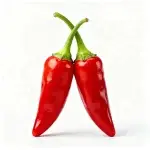
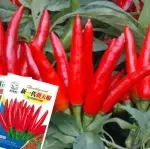
Spicy Bird’s Eye Chili (Capsicum annuum var. glabriusculum) is a perennial herbaceous plant of the Solanaceae family, usually cultivated as an annual with a growth cycle of 120-150 days. The plant grows to 60-90cm tall with compact, bushy growth habit and produces small, conical fruits (2-3cm long, 0.8-1cm wide) that point upward (朝天) toward the sky. Fruits ripen from green to bright red with extremely high capsaicin content (80,000-100,000 Scoville Heat Units), making it one of the spiciest chili varieties.
Quality Advantages
- Exceptional spiciness: High capsaicin and dihydrocapsaicin content with strong, lingering heat, ideal for spicy food lovers and seasoning production;
- Rich flavor: Unique aromatic compounds complement the intense heat, with smoky and fruity undertones;
- High yield: Each plant produces 200-300 fruits, with continuous fruiting throughout the growing season;
- Versatility: Suitable for fresh use, drying, powder making, sauce production and pickling;
- Nutritional value: Rich in vitamin C (higher than citrus fruits), vitamin A, antioxidants and capsaicinoids with metabolism-boosting properties.
High-Yield Characteristics
Under proper cultivation management, the yield per mu can reach 1500-2000kg of fresh chilies or 300-400kg of dried chilies. The variety has strong adaptability to different climates, with good heat and drought tolerance. It exhibits resistance to common chili diseases including bacterial spot and powdery mildew, making it suitable for both open field and protected cultivation in tropical, subtropical and temperate regions.
Application Scenarios
- Food industry: Essential ingredient in hot pot bases, chili sauces, spicy seasonings and processed foods;
- Culinary use: Used fresh or dried in Sichuan, Hunan and Guizhou cuisines for its intense heat;
- Pharmaceutical industry: Capsaicin extraction for pain relief creams and pharmaceutical products;
- Cosmetics: Used in slimming creams and pain-relief ointments;
- Export market: Highly valued in international markets for its exceptional spiciness and quality;
- Urban gardening: Ornamental value with abundant colorful fruits, suitable for container planting.
Selection & Storage Suggestions
- Selection skills:
- Fresh chilies: Choose firm, glossy fruits with bright red color, no wrinkles or soft spots;
- Dried chilies: Select fully dried, brittle fruits with deep red color and intact skin;
- For seeds: Choose fully mature, disease-free fruits from healthy plants.
- Storage method:
- Fresh storage: Refrigerate in sealed containers for 1-2 weeks, or freeze for up to 6 months;
- Dried storage: Keep in airtight containers in cool, dry place for up to 1 year;
- Processing: Can be ground into powder, made into chili oil or fermented into chili paste;
- Seed storage: Extract seeds from fully ripe fruits, dry thoroughly and store in sealed containers at 5-10℃.
Ⅱ. Planting Methods
Planting Preparation
1. Site Selection
Spicy Bird’s Eye Chili thrives in well-drained, fertile sandy loam or loam soil with pH 6.0-7.0 and full sunlight (6-8 hours daily). The planting site should have good air circulation and be protected from strong winds. Avoid low-lying areas prone to waterlogging and fields with recent solanaceous crop cultivation to prevent soil-borne diseases. Greenhouse cultivation allows for extended growing season and higher yields.
2. Seed Treatment
- Seed selection: Choose plump, uniform seeds with high germination rate (≥85%), seed consumption of 50-80g per mu;
- Seed disinfection: Soak seeds in 55℃ warm water for 15 minutes (stir continuously), then soak in 1% potassium permanganate solution for 10 minutes;
- Germination acceleration: Rinse seeds and soak in 25-30℃ water for 8-12 hours, wrap in wet gauze and germinate at 28-30℃ for 3-4 days until radicles emerge (0.5cm length).
Seedling Raising & Transplanting
1. Seedling Raising Time
- Spring cultivation: Seedling raising in late February to early March, transplanting in late April to early May;
- Summer cultivation: Seedling raising in late April to early May, transplanting in late May to early June;
- Autumn cultivation: Seedling raising in mid-July to early August, transplanting in late August to early September;
- Greenhouse cultivation: Can be raised year-round with temperature control (≥20℃).
2. Seedling Raising Techniques
Use 50-hole seedling trays filled with sterilized nutrient soil (peat: vermiculite: perlite = 3:1:1). Sow 1 germinated seed per hole at depth of 0.5-1cm, cover with fine soil and water thoroughly. Maintain day temperature at 25-30℃ and night temperature at 20-22℃. After emergence, reduce temperature by 2-3℃ and provide 12-14 hours of light daily. Fertilize with diluted compound fertilizer (N:P:K=20:20:20) every 10-15 days after true leaves appear.
3. Transplanting Requirements
- Transplant when seedlings have 4-6 true leaves and reach 10-15cm height (30-40 days old);
- Planting density: 4000-5000 plants per mu with row spacing of 40-50cm and plant spacing of 30-40cm;
- Soil preparation: Apply 2000-3000kg decomposed organic fertilizer + 50kg compound fertilizer (N:P:K=15:15:15) per mu before planting;
- Transplanting method: Choose cloudy days or late afternoons, water thoroughly after transplanting, provide temporary shade for 2-3 days.
Field Management
1. Water & Fertilizer Management
- Water management:
- Seedling stage: Keep soil moist but not waterlogged, water once every 3-5 days;
- Flowering period: Control water to promote flower formation and prevent flower drop;
- Fruiting period: Ensure adequate water supply, water deeply once every 7-10 days;
- Avoid overhead irrigation during flowering and fruiting to prevent disease spread.
- Fertilizer management:
- Seedling fertilizer: Apply 5-8kg urea per mu 10 days after transplanting;
- Flowering fertilizer: Apply 10kg phosphorus-potassium fertilizer per mu at initial flowering;
- Fruiting fertilizer: Apply 15kg compound fertilizer + 10kg potassium sulfate per mu after first fruit set, repeat every 20 days;
- Foliar feeding: Spray 0.2% potassium dihydrogen phosphate + 0.1% boron fertilizer during flowering and fruiting for 2-3 times.
2. Plant Management
- Pruning: Remove lateral branches below 30cm height to promote main stem growth, pinch top when plants reach 50-60cm height to encourage branching;
- Staking: Provide support for tall plants (over 70cm) to prevent lodging, especially during fruiting period;
- Weeding: Remove weeds regularly, shallow cultivate to avoid root damage;
- Mulching: Apply plastic mulch or straw mulch to retain soil moisture and suppress weeds;
- Soil hilling: Hill soil around base of plants after heavy rain to improve stability.
3. Pollination & Fruit Setting
- Natural pollination: Chilies are self-pollinating, but insect pollination improves fruit set;
- Vibration pollination: Gently shake plants during flowering period in greenhouses to improve pollination;
- Fruit thinning: Remove malformed fruits and excessive small fruits to promote development of remaining fruits;
- Hormone treatment: Spray 20-30ppm naphthaleneacetic acid during flowering to prevent flower and fruit drop.
4. Disease & Pest Control
- Bacterial spot and bacterial wilt: Use copper-based fungicides, practice crop rotation, remove infected plants immediately;
- Anthracnose and powdery mildew: Spray with 75% chlorothalonil 600x solution or 25% triadimefon 1500x solution;
- Root-knot nematodes: Apply nematicides before planting, use marigold as companion plant;
- Aphids and thrips: Control with 10% imidacloprid 1500x solution or yellow/blue sticky traps;
- Cutworms and armyworms: Use Bt emulsion 500x solution or 2.5% deltamethrin 2000x solution;
- Spider mites: Spray with 15% abamectin 3000x solution, ensure thorough coverage of leaf undersides.
Harvesting & Processing
- Harvest time:
- Green stage: Harvest at 60-70 days after transplanting for green chili use;
- Red stage: Harvest at 80-90 days when fully red and mature for maximum spiciness;
- Harvest frequency: Pick every 5-7 days during peak production period;
- For drying: Harvest fully red fruits with dry weather forecast for 3-5 days.
- Harvesting method:
- Cut fruit stems with scissors or pinch carefully to avoid damaging plants;
- Handle gently to prevent bruising and color loss;
- Harvest in morning when temperatures are low to maintain quality;
- Sort and grade fruits immediately after harvest.
- Post-harvest processing:
- Drying: Dry in well-ventilated area with good sunlight for 5-7 days until moisture content ≤12%;
- Processing: Grind into powder, make chili flakes or extract capsaicin;
- Storage: Pack dried chilies in moisture-proof containers, store in cool, dry place;
- Fresh market: Package in breathable containers, refrigerate at 8-10℃ for up to 2 weeks.






评价
目前还没有评价