


Four-Season Chives
Details & Complete Planting Guide
Ⅰ. Product Details
Variety Characteristics
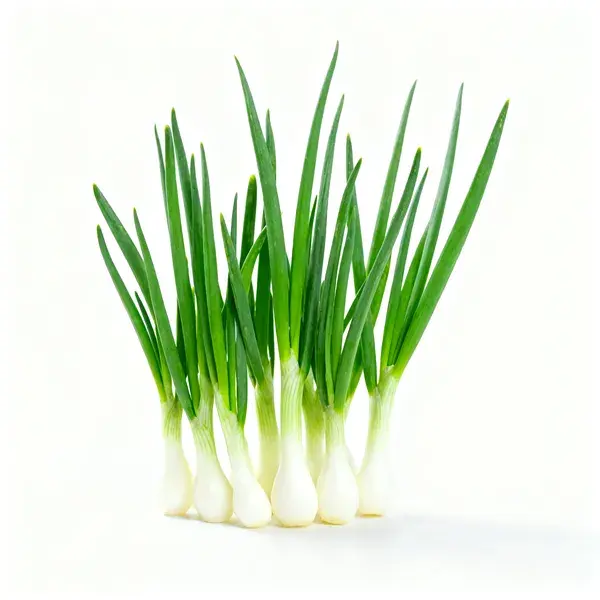
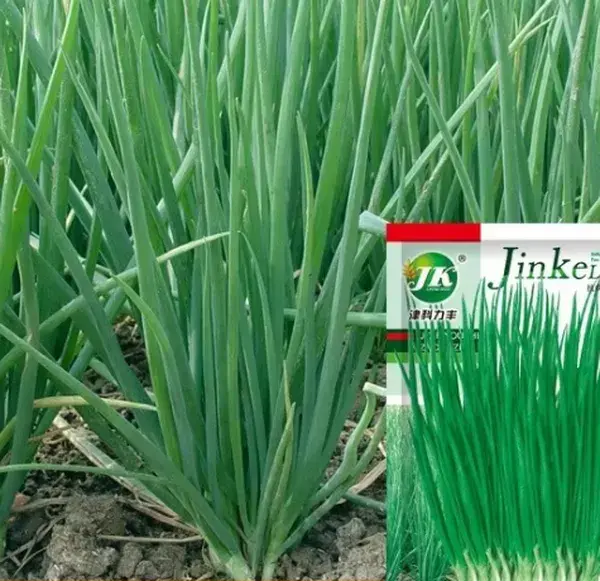
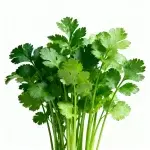
Four-Season Chives (Allium schoenoprasum var. gracile) is a perennial herbaceous plant of the Amaryllidaceae family with a clumping growth habit and evergreen characteristics throughout the year. The plant grows to 20-30cm tall with hollow, tubular leaves (2-3mm diameter) and delicate white or pale purple flowers in umbel clusters. It has strong cold and heat tolerance, can be cultivated year-round in most regions, with rapid regeneration ability after cutting and multiple harvests per year.
Quality Advantages
- Strong, fresh flavor with mild onion aroma and rich allicin content, ideal for seasoning, garnish and culinary use;
- Nutritional richness: Contains vitamin C, vitamin A, calcium, iron, potassium, dietary fiber and antioxidants with antibacterial and health benefits;
- Continuous harvest: Can be cut every 20-30 days during growing season, with productive lifespan of 3-5 years;
- Adaptability: Suitable for soil cultivation, hydroponics and pot planting, perfect for home gardens and commercial production;
- Ornamental value: Attractive clumping foliage and delicate flowers, suitable for edible landscaping and container gardening.
High-Yield Characteristics
Under proper cultivation management, the yield per mu can reach 2000-3000kg per year with 8-10 harvests annually. The variety has strong tillering ability, with each clump producing 10-20 shoots, and maintains stable production for 3-5 years without replanting. It has good resistance to common diseases and pests, requiring minimal pesticide use, and can be grown in open fields, greenhouses or containers with consistent quality.
Application Scenarios
- Culinary use: Fresh leaves for seasoning soups, stir-fries, dumplings, salads and as garnish for various dishes;
- Food processing: Dried or frozen chives for seasoning blends, instant noodles and ready meals;
- Urban agriculture: Ideal for balcony and indoor planting, providing fresh herbs year-round for home cooking;
- Commercial production: Suitable for greenhouse intensive cultivation and open field production;
- Medicinal use: Traditional herbal medicine for digestive health and cold prevention;
- Landscaping: Used in edible gardens, herb borders and ornamental plantings for both beauty and function.
Selection & Storage Suggestions
- Selection skills:
- Choose fresh chives with bright green color, crisp texture and no yellowing or wilting;
- For planting: Select disease-free, robust seedlings or high-quality seeds with high germination rate;
- Avoid chives with strong fiber or woody stems which indicate overmaturity.
- Storage method:
- Fresh storage: Wrap in damp paper towel and store in refrigerator crisper for 7-10 days;
- Freezing: Chop and freeze in airtight containers for up to 6 months;
- Drying: Air dry in shade and store in sealed containers for up to 1 year;
- Hydroponic storage: Place cut stems in shallow water for 3-5 days to maintain freshness.
Ⅱ. Planting Methods
Planting Preparation
1. Site Selection
Four-Season Chives prefer fertile, well-drained sandy loam or loam soil with pH 6.0-7.0 and full sunlight (4-6 hours daily). The planting site should have good air circulation and be protected from waterlogging. They can tolerate partial shade and are suitable for both open field and container cultivation. For hydroponic cultivation, use nutrient solution with EC value 1.2-1.8 mS/cm and pH 5.5-6.5.
2. Propagation Materials
- Seed propagation: Use fresh seeds (germination rate ≥85%), seed consumption of 0.5-1kg per mu;
- Division propagation: Divide 1-2 year old clumps into small divisions with 3-5 shoots each;
- Seed pretreatment: Soak seeds in 25-30℃ water for 12-24 hours before sowing to improve germination;
- Seedling selection: Choose robust seedlings with white, well-developed roots and no disease symptoms.
Planting Methods
1. Planting Time
- Spring planting: March to April when soil temperature ≥10℃;
- Autumn planting: September to October for overwintering;
- Summer planting: Possible with shade and adequate moisture;
- Winter planting: Greenhouse cultivation or indoor pot planting;
- Continuous sowing: Can be sown monthly for staggered harvests.
2. Planting Techniques
- Seed sowing:
- Make shallow furrows 1-2cm deep with row spacing of 20-25cm;
- Sow seeds evenly and cover with fine soil, water thoroughly;
- Germination temperature: 15-25℃, seedlings emerge in 7-10 days;
- Thin seedlings to 5-8cm spacing when 2-3 true leaves appear.
- Division planting:
- Dig planting holes 10-15cm deep with spacing of 15×20cm;
- Plant 3-5 shoots per hole, cover with soil and water thoroughly;
- Maintain soil moisture until new growth appears (7-10 days).
- Container planting:
- Use pots with diameter ≥20cm and drainage holes;
- Fill with potting mix (garden soil: compost: perlite = 2:1:1);
- Plant 10-15 shoots per pot, place in sunny location.
- Hydroponic cultivation:
- Use nutrient film technique (NFT) or deep water culture;
- Maintain water temperature 18-25℃ and dissolved oxygen ≥5mg/L;
- Replace nutrient solution every 2-3 weeks.
Field Management
1. Water & Fertilizer Management
- Water management:
- Keep soil consistently moist but not waterlogged;
- Water once every 3-5 days in dry weather, reduce watering in rainy season;
- Avoid overhead irrigation to prevent foliar diseases;
- In winter, water sparingly to prevent root rot.
- Fertilizer management:
- Base fertilizer: Apply 2000-3000kg decomposed organic fertilizer + 20kg compound fertilizer per mu before planting;
- Topdressing: Apply 5-10kg urea per mu 15 days after planting or after each harvest;
- Seasonal fertilizer: Apply phosphorus-potassium fertilizer before winter for cold resistance;
- Foliar fertilizer: Spray 0.2% potassium dihydrogen phosphate solution during rapid growth period;
- Annual rejuvenation: Apply 1000kg organic fertilizer per mu in early spring to maintain productivity.
2. Cultivation Management
- Weed control: Remove weeds regularly to prevent competition;
- Soil loosening: Loosen soil gently every 1-2 months to improve aeration;
- Division and replanting: Divide overgrown clumps every 2-3 years in spring or autumn;
- Flower stalk removal: Cut flower stalks promptly to promote leaf growth;
- Winter protection: Cover with straw or plastic film in cold regions to prevent freezing;
- Summer management: Provide 30% shade in hot weather to prevent bolting.
3. Disease & Pest Control
- Downy mildew and powdery mildew:
- Improve ventilation and avoid high humidity;
- Spray with 75% chlorothalonil 600x solution or 25% triadimefon 1500x solution;
- Rotate with non-allium crops every 3-4 years.
- Root rot:
- Ensure good drainage and avoid overwatering;
- Treat soil with 50% carbendazim 500x solution before planting;
- Remove and destroy infected plants immediately.
- Onion thrips and aphids:
- Control with 10% imidacloprid 1500x solution or neem oil;
- Use yellow sticky traps to monitor and reduce populations;
- Maintain biodiversity to encourage natural predators.
- Cutworms and root maggots:
- Apply insecticide granules in soil before planting;
- Use physical barriers like collars around plants;
- Practice crop rotation with non-host plants.
Harvesting
- Harvest time:
- First harvest: 40-50 days after sowing or 20-30 days after transplanting;
- Subsequent harvests: Every 20-30 days during growing season;
- Harvest when plants reach 20-25cm height;
- Stop harvesting 30 days before winter to allow plants to store nutrients.
- Harvesting method:
- Cut 2-3cm above ground level with sharp scissors or knife;
- Harvest in morning when essential oil content is highest;
- Leave at least 5cm of growth for regrowth;
- Harvest outer leaves selectively for continuous production;
- Clean harvested chives by removing old leaves and roots.
- Post-harvest management:
- Apply light fertilizer after each harvest to promote regrowth;
- Water thoroughly after harvesting;
- Remove any yellow or diseased leaves;
- For commercial production, cool to 0-5℃ immediately after harvest;
- Package in breathable containers to maintain freshness.








评价
目前还没有评价