





Purple Ginseng Fruit Carrot: A Nutrient-Rich Delight with Vibrant Color
The Unique Charm of Purple Ginseng Fruit Carrot – A Blend of Flavor and Nutrition
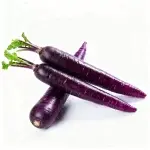
Purple Ginseng Fruit Carrot, also known as “Purple Miracle Carrot”, is a rare heirloom variety with striking deep purple skin and vibrant orange-pink flesh. Unlike traditional orange carrots, this unique cultivar gets its rich color from high concentrations of anthocyanins, making it both visually stunning and nutritionally superior. With a crisp texture and sweet, slightly earthy flavor with hints of ginseng, it’s a true standout in both taste and appearance.
Crunch into a fresh Purple Ginseng Fruit Carrot, and you’ll experience a satisfying crispness followed by a natural sweetness that lingers on the palate. Its compact size (typically 10-15cm long) makes it perfect for snacking, while its striking color adds visual appeal to any dish. Packed with antioxidants, vitamins, and minerals, it’s not just a feast for the eyes but a powerful boost for your health.
Core Advantages: More Than Just a Pretty Carrot
- Exceptional Antioxidant Content: The deep purple color comes from anthocyanins (28 times more than orange carrots), powerful antioxidants that support heart health, reduce inflammation, and protect against cellular damage.
- Superior Nutritional Profile: Rich in beta-carotene, vitamin C, vitamin K, potassium, and fiber. It also contains unique phytonutrients like lutein and zeaxanthin that support eye health.
- Unique Flavor Profile: Sweet with subtle ginseng undertones and a satisfying crunch, making it perfect for fresh eating, juicing, or cooking. The flavor intensifies slightly when roasted or sautéed.
- Versatile Culinary Uses: Enjoy raw as a snack, add to salads for color contrast, juice with other fruits and vegetables, roast with other root vegetables, or use as a vibrant garnish. The color remains even after cooking!
- Space-Saving Growth: Compact roots and leafy green tops make it suitable for container gardening, raised beds, or small garden plots, perfect for urban gardeners.
Suitable Crowd: A Healthy Choice for Everyone
● Health-Conscious Consumers: With its exceptional antioxidant content, it’s ideal for those seeking to boost their nutrient intake naturally;
● Culinary Enthusiasts: Chefs and home cooks love its striking color and unique flavor for creative dishes and presentations;
● Families and Children: The sweet taste and fun color make it a hit with kids, encouraging healthy snacking habits;
● Gardeners: Its compact size and ornamental value make it perfect for both edible and decorative gardens;
● Special Diet Followers: Gluten-free, low-calorie, and suitable for vegan, paleo, and keto diets.
Real User Feedback
“These purple carrots are amazing! My kids actually ask for them as snacks now, and I love knowing they’re getting extra antioxidants. The color is stunning in salads and roasted vegetable medleys.” — From health-conscious mom @VeggieFamily
“As a chef, I use Purple Ginseng Fruit Carrots to add visual drama to my dishes. The flavor is sweeter than regular carrots with a unique depth that pairs beautifully with both sweet and savory ingredients.” — From restaurant chef @GourmetRoots
Scientific Planting Method of Purple Ginseng Fruit Carrot: From Seed to Harvest
1. Pre-Planting Preparation: Lay the Foundation for Success
1. Seed Selection and Treatment
Choose high-quality Purple Ginseng Fruit Carrot seeds from reputable suppliers, ensuring a germination rate of ≥85%. Carrot seeds have a relatively short viability (2-3 years), so select fresh seeds for best results. To improve germination, soak seeds in warm water (25-30°C) for 12-24 hours before planting, then drain and dry slightly.
2. Soil Preparation and Selection
Purple Ginseng Fruit Carrots thrive in loose, well-drained, sandy loam soil with pH 6.0-6.8. Avoid heavy clay soils, which can cause misshapen roots. Prepare the soil by tilling to a depth of 30cm, removing rocks, clods, and debris that could obstruct root growth. Incorporate 2000-2500kg of well-rotted compost per mu and 20-30kg of balanced fertilizer (10-10-10).
3. Site Selection
Select a sunny location with at least 6 hours of direct sunlight daily. Carrots can tolerate partial shade but produce best in full sun. Ensure the planting area is free from weeds and has good air circulation to prevent fungal diseases.
2. Planting Techniques: Optimal Growth Conditions
1. Planting Time
Purple Ginseng Fruit Carrots are a cool-season crop, growing best at temperatures between 15-20°C. In spring, plant 2-3 weeks before the last frost date when soil temperature reaches 7-10°C. For a fall harvest, plant 10-12 weeks before the first expected frost.
2. Planting Method
Create shallow furrows 1-2cm deep and 20-25cm apart. Mix seeds with sand (1:3 ratio) for even distribution, then sow thinly along the furrows. Cover with 0.5-1cm of fine soil, then water gently with a fine spray to avoid washing seeds away. For container gardening, use pots at least 20cm deep with drainage holes.
3. Thinning and Spacing
When seedlings have 2 true leaves, thin to 2-3cm apart. When plants reach 5cm tall, thin again to final spacing of 5-7cm between plants. Proper spacing prevents overcrowding and ensures straight, uniform roots. Use scissors to cut excess seedlings rather than pulling to avoid disturbing remaining roots.
3. Field Management: Nurturing Healthy Growth
1. Water Management
Maintain consistent soil moisture throughout the growing season, providing 2-3cm of water per week. Keep soil evenly moist but not waterlogged. Inconsistent watering (alternating dry/wet conditions) can cause roots to split or become bitter. Use drip irrigation or soaker hoses for even moisture distribution.
2. Fertilization Schedule
● Apply phosphorus and potassium-rich fertilizer (5-10-10) at planting time
● Side-dress with nitrogen fertilizer (10-5-5) when plants are 10cm tall, using 10-15kg per mu
● Avoid excessive nitrogen, which promotes leafy growth at the expense of root development
● Apply a light dressing of compost tea every 3-4 weeks for micronutrients
3. Weed Control
Keep the planting area weed-free, especially during the first 4-6 weeks when carrots are establishing. Use shallow cultivation (2-3cm deep) to avoid damaging developing roots. Apply a 2-3cm layer of mulch (straw, grass clippings, or shredded leaves) to suppress weeds and retain soil moisture.
4. Blanching for Optimal Color
As roots develop, mound soil around the shoulders of the carrots to keep them covered. Exposure to sunlight can cause greening and bitterness. The purple color develops best in the dark, so ensure roots remain completely covered throughout growth.
4. Pest and Disease Management: Organic Approaches
1. Common Diseases and Prevention
● Carrot Rust Fly: Use row covers to prevent adult flies from laying eggs. Practice crop rotation and remove crop debris
● Root Knot Nematodes: Solarize soil before planting and incorporate marigold plants as companions
● Alternaria Leaf Blight: Ensure proper spacing and avoid overhead watering. Treat with copper fungicides if needed
● Cavity Spot: Maintain consistent soil moisture and avoid excessive nitrogen fertilizer
2. Pest Control Methods
● Aphids: Spray with insecticidal soap or neem oil solution
● Carrot Weevils: Apply diatomaceous earth around plants and use pheromone traps
● Slugs and Snails: Use beer traps or iron phosphate baits
● Leafminers: Remove infested leaves and apply floating row covers
3. Integrated Pest Management
Plant companion plants like onions, garlic, chives, and sage to repel pests. Intercrop with lettuce or radishes to mark rows and deter carrot fly. Practice crop rotation of 3-4 years, avoiding other umbelliferous crops (parsley, celery, parsnips) in the same location.
5. Harvesting and Storage: Preserving Quality
1. Optimal Harvest Time
Harvest Purple Ginseng Fruit Carrots 60-70 days after planting when roots reach 10-15cm in length (about finger-thickness). For sweeter flavor, harvest in cooler weather or after a light frost. The purple color intensifies as roots mature, but harvest before roots become woody (typically before 80 days).
2. Harvesting Technique
Loosen soil around roots with a garden fork before pulling to avoid breaking. Grasp greens at the base and gently pull, or use a fork to lift roots from below. For baby carrots, harvest at 30-40 days when roots are 5-7cm long.
3. Storage Methods
● Short-term: Remove greens (leave 1cm stem), wash, and refrigerate in a plastic bag for 2-3 weeks
● Long-term: Layer unwashed carrots in damp sand or sawdust in a cool (0-5°C), dark location for 3-4 months
● Processing: Freeze sliced carrots after blanching for 2 minutes, or dehydrate for carrot chips
Tip: For the deepest purple color, ensure consistent soil moisture and avoid exposing roots to sunlight. Purple Ginseng Fruit Carrots can be succession-planted every 2-3 weeks for a continuous harvest. The anthocyanins are heat-stable, so the vibrant color remains during cooking – perfect for adding visual appeal to any meal!






评价
目前还没有评价