




Purple & Black Long Eggplant: The Elite Oriental Varieties for Superior Harvest
The Distinctive Qualities of Purple & Black Long Eggplant – A Garden Treasure
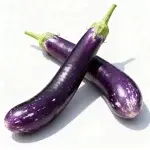
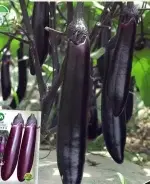
Purple & Black Long Eggplant (紫长茄/黑长茄) represents premium Oriental eggplant varieties prized for their slender, glossy fruits, exceptional flavor, and high productivity. These Asian heirloom and hybrid varieties produce elegant, cylindrical fruits 25-40cm long with deep purple-black skin and tender, creamy white flesh that remains mild and non-bitter even when fully mature. Unlike traditional globe eggplants, these long varieties feature fewer seeds, thinner skin, and a delicate texture that excels in stir-fries, grilling, and traditional Asian dishes.
Characterized by their vigorous, heat-loving plants, these eggplants continue producing throughout summer and fall, yielding 15-25 fruits per plant under optimal conditions. Popular varieties include ‘Ping Tung Long’, ‘Ichiban’, ‘Orient Express’, and ‘Black Beauty Long’, each offering unique qualities suited to different growing conditions and culinary uses. Their striking appearance, combined with superior flavor and texture, makes them a favorite among home gardeners and chefs seeking authentic Asian eggplant varieties.
Core Advantages: Why Purple & Black Long Eggplant Stands Above Other Varieties
- Exceptional Flavor and Texture: Mild, sweet flavor with creamy, non-bitter flesh that remains tender even when fully mature – superior to traditional globe eggplants.
- High Productivity: Each plant produces 15-25 fruits over an extended harvest period (3-4 months), significantly higher than standard varieties.
- Heat Tolerance: Thrives in hot summer conditions (30-35°C) where other vegetables struggle, making it ideal for warm climate gardens.
- Visual Appeal: Slender, glossy purple-black fruits with elegant shape add dramatic presentation to culinary dishes and market displays.
- Culinary Versatility: Perfect for stir-fries, grilling, tempura, curries, and traditional Asian dishes, with texture that absorbs flavors beautifully.
Suitable for Everyone: An Eggplant for All Gardeners
● Home Gardeners: Enjoy abundant harvests of premium eggplants for fresh cooking and preserving;
● Asian Cuisine Enthusiasts: Authentic varieties for traditional Chinese, Japanese, and Korean recipes;
● Market Growers: High-value specialty crop with excellent demand and premium pricing;
● Container Gardeners: Compact varieties thrive in large pots and small garden spaces;
● Warm Climate Gardeners: Heat-tolerant plants produce reliably in hot summer conditions.
Real User Feedback
“‘Ping Tung Long’ eggplant has been a game-changer in my garden. These slender purple fruits keep producing all summer, and their mild flavor is perfect for my favorite Szechuan stir-fry recipes. I get twice the harvest compared to regular eggplants!” — From home gardener @AsianHarvest
“As a specialty produce grower, black long eggplant is one of my top-selling items. Chefs love the tender texture and deep color, and customers appreciate the mild flavor that even eggplant skeptics enjoy.” — From market farmer @GourmetGreens
Expert Growing Guide for Purple & Black Long Eggplant
1. Pre-Planting Preparation: Creating Optimal Growing Conditions
1. Variety Selection
Choose from these proven purple and black long eggplant varieties:
- Purple Long Varieties: ‘Ping Tung Long’, ‘Orient Express’, ‘Long Purple’, ‘Chinese Eggplant’
- Black Long Varieties: ‘Black Beauty Long’, ‘Ichiban’, ‘Millionaire’, ‘Shikou’
- Hybrid Varieties: ‘Fairy Tale’, ‘Hansel’, ‘Gretel’, ‘Patio Baby’ (compact for containers)
2. Soil Preparation and Requirements
Prepare fertile, well-drained soil with pH 5.5-6.5 and high organic matter content. Incorporate 2000-2500kg of compost per mu and 30-40kg of balanced fertilizer (10-10-10). Eggplants require warm soil (20°C or higher) for optimal germination and growth. Raised beds warm faster and provide excellent drainage for eggplant cultivation.
3. Site Selection and Timing
Select a sunny location with at least 8 hours of direct sunlight daily. Eggplants thrive in warm conditions (25-32°C daytime, 20-25°C nighttime). Start seeds indoors 8-10 weeks before last frost date, or purchase transplants for earlier harvest. Plant outdoors when soil temperature reaches 20°C (typically late spring/early summer).
2. Planting Techniques: Ensuring Strong, Productive Plants
1. Planting Method and Spacing
Plant transplants deeply, burying up to the first set of true leaves to encourage strong root development. Space plants 60-80cm apart in rows 90-120cm apart. For container growing, use pots with minimum 40cm diameter (16 inches) and provide sturdy support structures for heavy fruiting branches.
2. Transplanting Seedlings
Harden off seedlings for 7-10 days before transplanting by gradually exposing them to outdoor conditions. Plant on a cloudy day or in late afternoon to reduce transplant shock. Water thoroughly after planting and provide temporary shade for 2-3 days if weather is hot and sunny.
3. Companion Planting
Plant eggplants with beneficial companions like:
- Marigolds: Repel nematodes and other soil-borne pests
- Basil: Improves growth and flavor, repels aphids and whiteflies
- Beans: Fix nitrogen in soil for healthy growth
- Peppers: Similar cultural requirements, create efficient garden space
Avoid planting with potatoes or fennel, which can inhibit growth.
3. Care and Maintenance: Maximizing Yield and Fruit Quality
1. Support and Pruning
Install stakes or cages at planting time to support heavy fruiting branches. Prune to 3-4 main stems by removing weaker shoots, and pinch off terminal buds when plants reach 60cm height to encourage bushier growth and more fruit production.
2. Fertilization Schedule
● Apply balanced fertilizer (10-10-10) at planting (20kg per mu)
● Side-dress with nitrogen-rich fertilizer (21-0-0) when first fruits set (15kg per mu)
● Apply potassium sulfate (10kg per mu) during peak fruiting to enhance fruit quality
● Foliar feed with seaweed extract (diluted 1:500) during flowering to improve fruit set
3. Water Management
Maintain consistent soil moisture, providing 2-3cm of water per week. Eggplants are sensitive to both drought and waterlogging. Use drip irrigation for precise water delivery to roots, avoiding wetting foliage which can promote disease. Mulch with straw or plastic to conserve moisture and suppress weeds.
4. Heat Stress Management
● Provide afternoon shade during extreme heat (above 35°C)
● Apply mulch to keep roots cool and conserve moisture
● Mist plants in early morning during heatwaves to reduce stress
● Avoid excessive nitrogen during hot weather, which can cause vegetative growth at expense of fruit
4. Pest and Disease Management: Protecting Your Crop
1. Common Pests and Control
● Flea Beetles: Use row covers during early growth; apply diatomaceous earth; use neem oil
● Aphids and Whiteflies: Spray with insecticidal soap; introduce ladybugs; use reflective mulches
● Colorado Potato Beetles: Handpick; apply neem oil; use row covers
● Spider Mites: Increase humidity; apply miticides; use predatory insects
● Fruit Borers: Apply insecticides at flowering; remove infested fruits promptly
2. Disease Prevention and Management
● Verticillium and Fusarium Wilt: Choose resistant varieties; practice crop rotation; solarize soil
● Early Blight: Remove infected leaves; apply fungicides; ensure good air circulation
● Powdery Mildew: Improve air flow; apply sulfur-based fungicides; avoid overhead watering
● Bacterial Wilt: Use resistant varieties; practice strict crop rotation; control cucumber beetles
● Phytophthora Blight: Ensure good drainage; avoid overwatering; apply fungicides preventively
3. Integrated Pest Management
Implement crop rotation with non-solanaceous crops for 3-4 years. Use floating row covers during vulnerable growth stages. Apply organic mulches to prevent soil-borne diseases from splashing onto plants. Encourage beneficial insects by planting flowering herbs nearby.
5. Harvesting and Post-Harvest Handling
1. Optimal Harvest Time
Harvest long eggplants when fruits reach 25-35cm length (depending on variety) and skin is glossy and taut. For best flavor and texture, harvest before seeds fully develop (when fruits are young and tender). Overmature eggplants become bitter, develop tough skin, and have abundant seeds.
2. Harvesting Technique
Use pruning shears or a sharp knife to cut fruits with 2-3cm of stem attached. Pulling or twisting can damage plants and developing fruit. Harvest regularly (every 2-3 days) to encourage continuous production throughout the growing season.
3. Storage and Preservation Methods
● Short-term Storage: Refrigerate in plastic bags for 7-10 days; do not wash until ready to use
● Freezing: Cube and blanch for 4 minutes, cool rapidly, drain, and freeze for up to 8 months
● Pickling: Create spicy Asian-style pickled eggplant for extended preservation
● Drying: Slice and dry for use in stews and curries
● Fermenting: Make traditional Korean-style fermented eggplant (ganjang-geotjeori)
Tip: For maximum production of long eggplants, harvest fruits when they reach 25-30cm length – regular harvesting encourages the plant to produce more flowers and fruits. Provide consistent moisture during fruit development to prevent bitter flavor, and support heavy branches with stakes to prevent breakage under the weight of multiple fruits!






评价
目前还没有评价